In an age where electronic music culture increasingly lives through disappearing social media posts, short-lived stories and fragmented online platforms, one project continues to focus on preserving the scene for future generations.
The Rave Preservation Project, one of the world’s largest digital archives dedicated to rave and electronic music culture, has unveiled a major platform update, introducing a new community directory alongside enhanced discovery and search tools designed to make decades of club culture more accessible than ever.
The latest expansion strengthens the project’s mission of documenting electronic music history while creating new ways for artists, promoters, labels and fans to connect through a shared cultural archive.
Preserving the History of Rave Culture
Founded in 2013 by Oregon-based archivist Matthew Johnson, the Rave Preservation Project has grown into one of the most comprehensive digital collections of electronic music memorabilia available online.
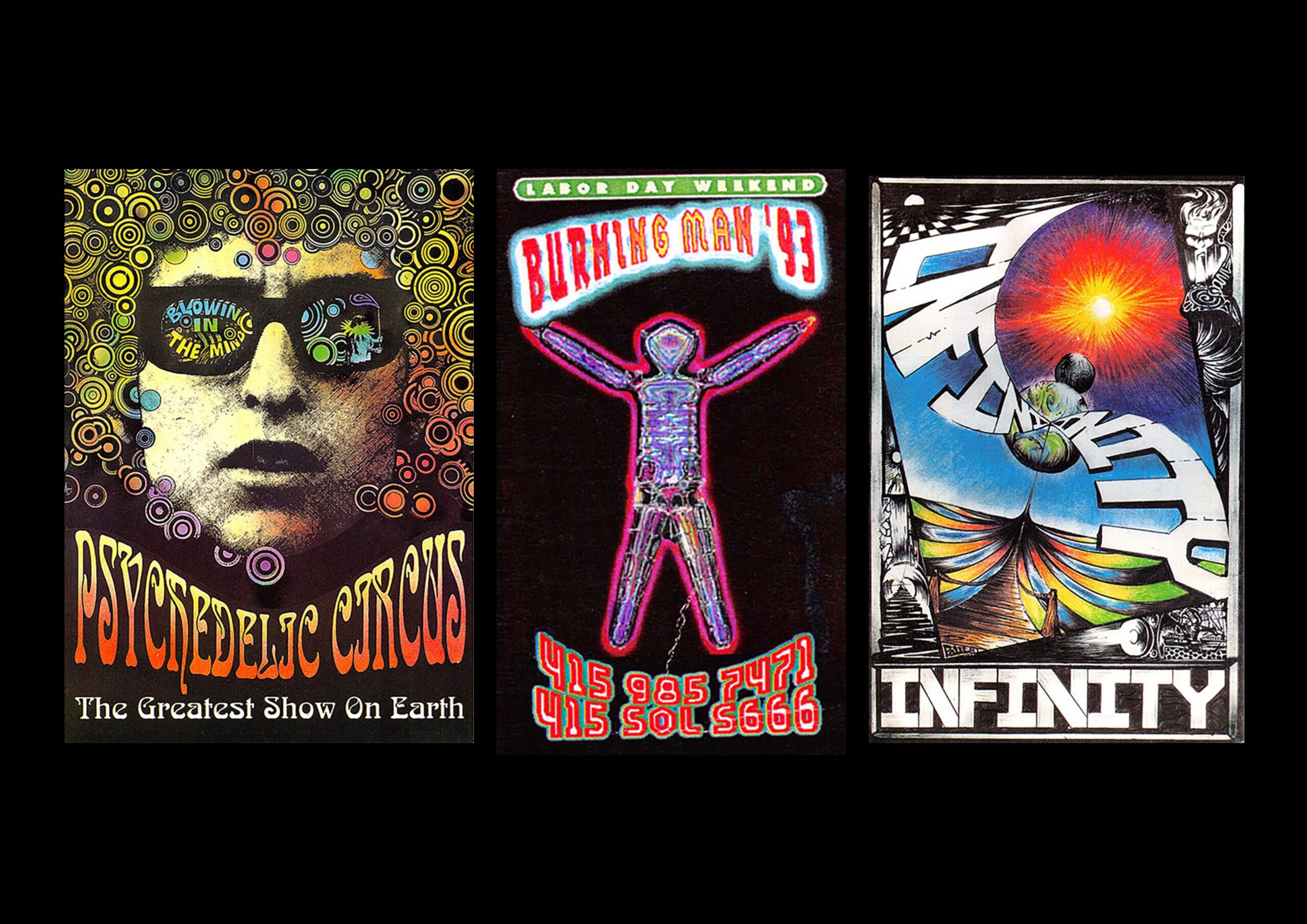
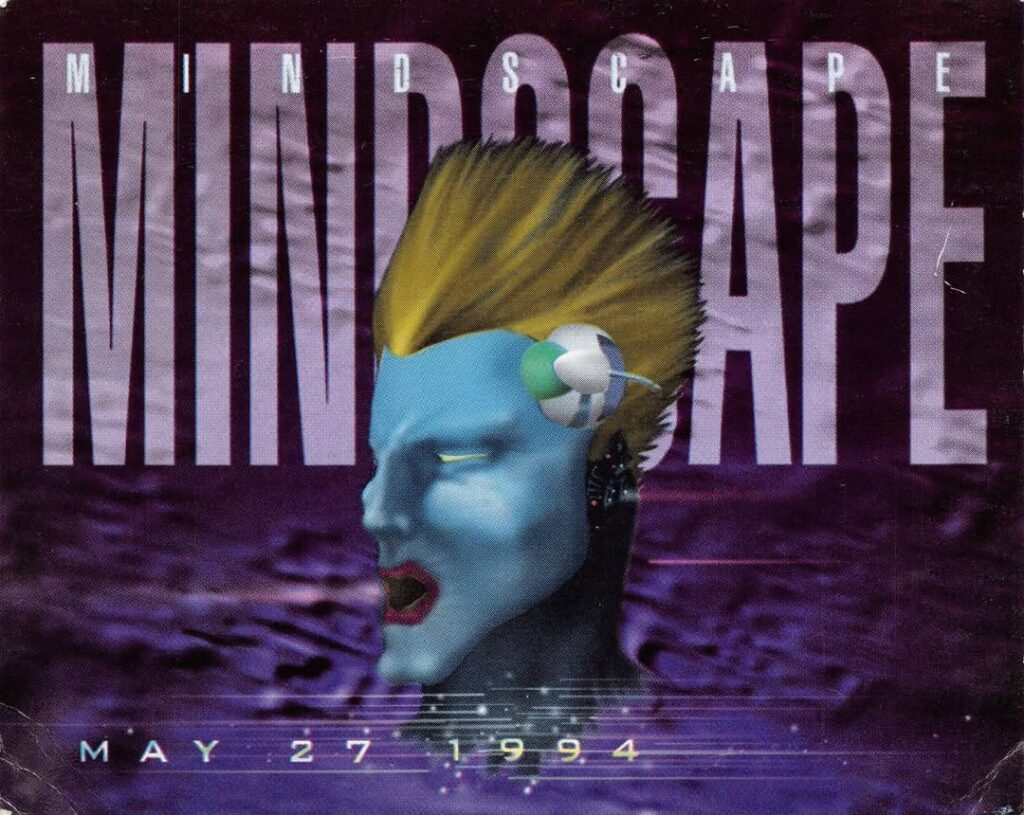
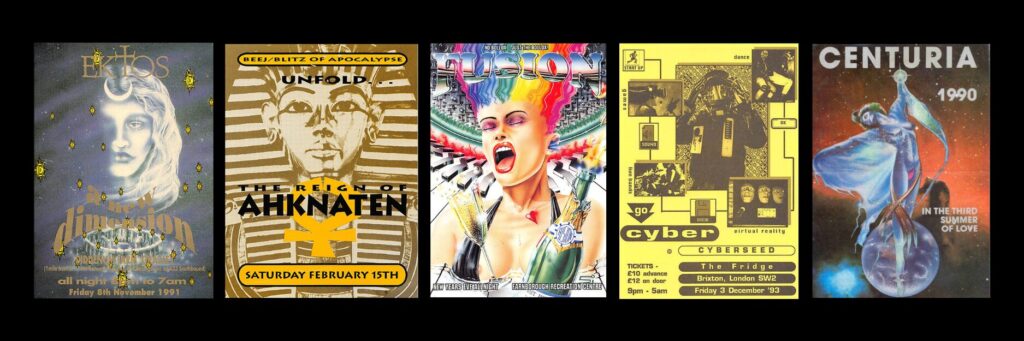
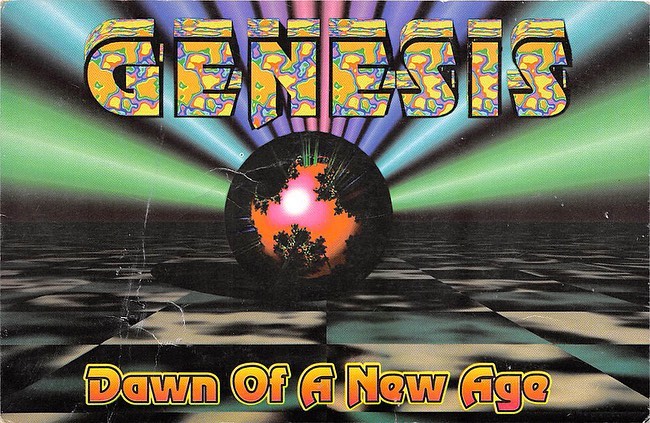
Today, the archive contains more than 40,000 items, including rare rave flyers, posters, artwork, promotional material, photography and visual ephemera spanning multiple decades of dance music history.
Over time, the platform has evolved beyond simple archiving. Artists, DJs, promoters, labels, photographers and venues can now create dedicated profiles documenting their own contribution to electronic music culture, gradually transforming the archive into a living historical database.
A New Way to Discover Electronic Music
The platform’s biggest addition is its newly launched community directory, designed as a central discovery hub for the electronic music ecosystem.
Rather than simply storing historical material, the directory allows artists, labels, venues and promoters to build richer profiles that include direct links to content hosted across YouTube, SoundCloud, Bandcamp, Spotify and Apple Music.
Alongside the directory, updated galleries and an improved search engine make it significantly easier to navigate the growing archive, browse visual collections and discover previously overlooked pieces of rave history.
According to the project team:
Electronic music culture is often spread across social platforms, short-lived posts, and fragmented links. Rave Preservation Project is building a more durable system that helps people find artists, preserve memorabilia, and experience content without leaving the platform.
Why Digital Preservation Matters
Unlike many traditional art forms, electronic music has historically existed in highly ephemeral spaces.
Club flyers are discarded after events. Temporary websites disappear. Social media posts vanish within days. Entire underground scenes can become difficult to reconstruct only a few years after they happened.
Projects such as the Rave Preservation Project help safeguard a culture that has often been documented informally despite its enormous global influence. By preserving not only music but also visual identities, promotional artwork and community stories, the archive creates an increasingly valuable resource for researchers, artists and future generations seeking to understand how electronic music evolved.
As governments and cultural institutions across Europe begin recognising electronic music as part of their cultural heritage, initiatives like this play an equally important role by preserving the grassroots history that institutional archives often overlook.
Building a Living Archive
The Rave Preservation Project is no longer simply cataloguing the past.
By integrating artist pages, streaming platforms and searchable historical collections into a single ecosystem, the archive is becoming an active meeting point between electronic music’s history and its present.
Rather than functioning as a static museum, it continues to grow alongside the culture itself, documenting new artists while protecting the legacy of those who came before.
At a time when electronic music moves faster than ever, preserving its memory may be just as important as creating its future.
Rare Rave History Heads to Auction
The announcement also comes as interest in electronic music memorabilia continues to grow.
A rare collection of historic rave artefacts from the Members Only Archive is currently heading to auction, with an estimated value of £80,000 – another reminder that flyers, posters and club artwork once considered disposable have become important pieces of electronic music history.
As rave culture matures, projects like the Rave Preservation Project demonstrate that preserving its visual and cultural legacy is no longer simply an act of nostalgia, it is an investment in the history of one of the world’s most influential musical movements.
📷 : Cover Photo Credits / Courtesy of Rave Preservation Project
📷 : Additional Photo Credits / Courtesy of Rave Preservation Project