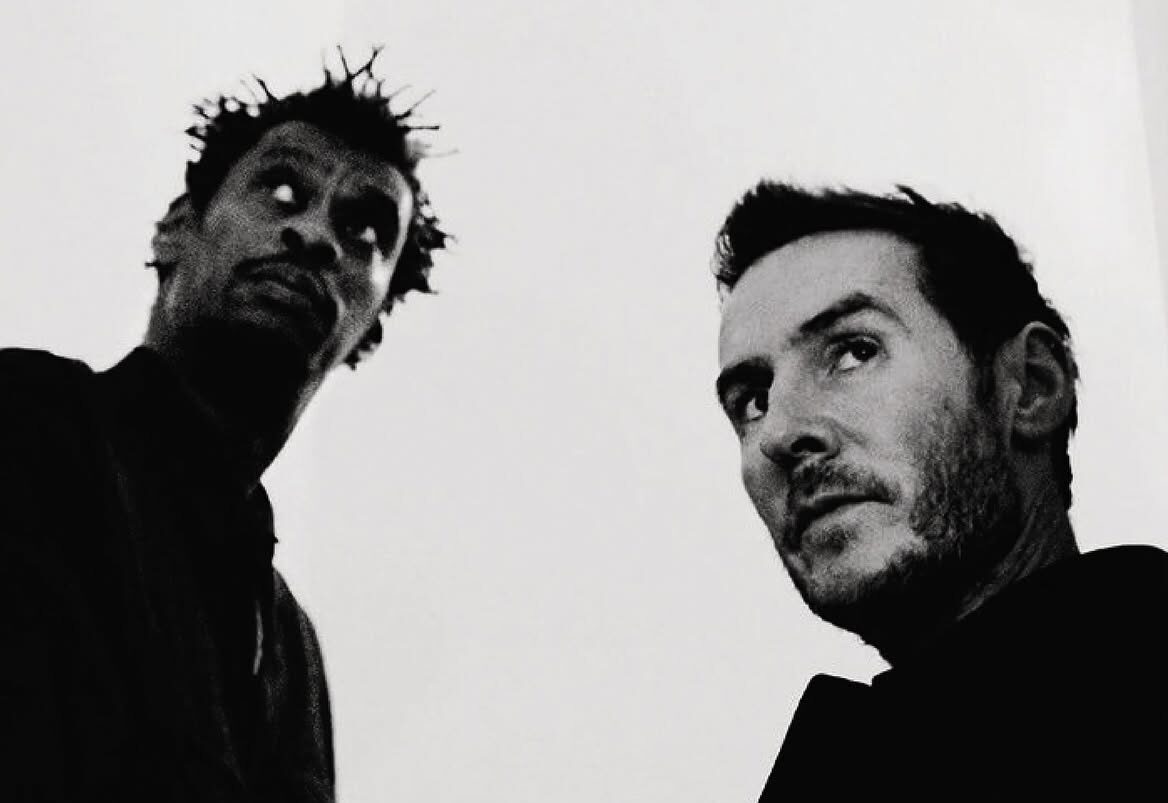
British electronic music pioneers Massive Attack have been banned from performing in Singapore after displaying a Palestinian flag during their concert at The Star Theatre on July 29, prompting an official investigation and raising fresh debate around freedom of expression in live music.
According to Singaporean authorities, two members of the Bristol group breached the country’s laws by displaying a foreign national flag and expressing support for a political cause without prior approval. The incident resulted in police action, formal warnings and a ban on the band’s future performances in the city state.
A Concert That Ended in Police Detention
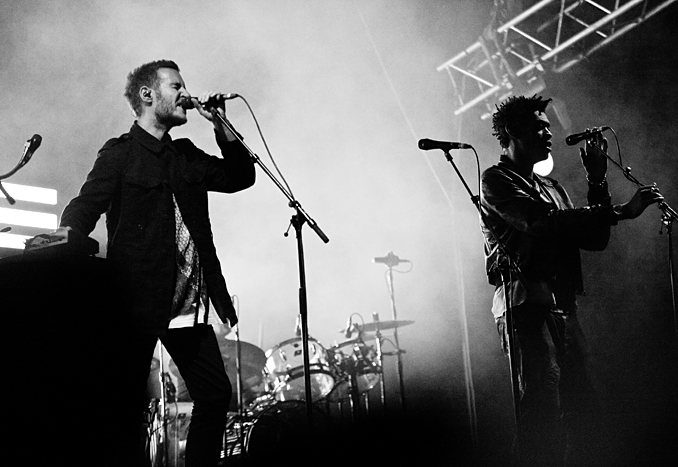
The incident unfolded at the conclusion of Massive Attack’s performance, when audience members began chanting “Free Palestine.” The band joined the chants before unfurling a Palestinian flag on stage in what they later described as a spontaneous act of solidarity with fans attending the show.
In a statement published on social media, Massive Attack revealed that the consequences extended far beyond the stage. According to the group, their entire touring party was detained by police, with members separated and questioned individually. Some were subjected to hotel room searches, while others had their passports temporarily confiscated before being allowed to leave the country.
The band said they were “surprised and disappointed” by the treatment, adding that they had not anticipated displaying the flag would constitute a legal offence.
Singapore’s Strict Rules on Political Expression
Singapore maintains some of the world’s strictest regulations regarding political expression in public spaces. Under the country’s Foreign National Emblems (Control of Display) Act and Public Order Act, displaying foreign national flags or engaging in political demonstrations without official permission is prohibited.
Following the investigation, Singapore Police confirmed that two members of Massive Attack had received stern warnings, had been barred from re entering the country, and that future applications for Massive Attack to perform in Singapore would not be approved.
Authorities stated that such actions have the potential to affect the country’s racial and religious harmony, adding that foreign political causes should not be imported into Singapore’s public sphere.
Massive Attack Defend Their Actions
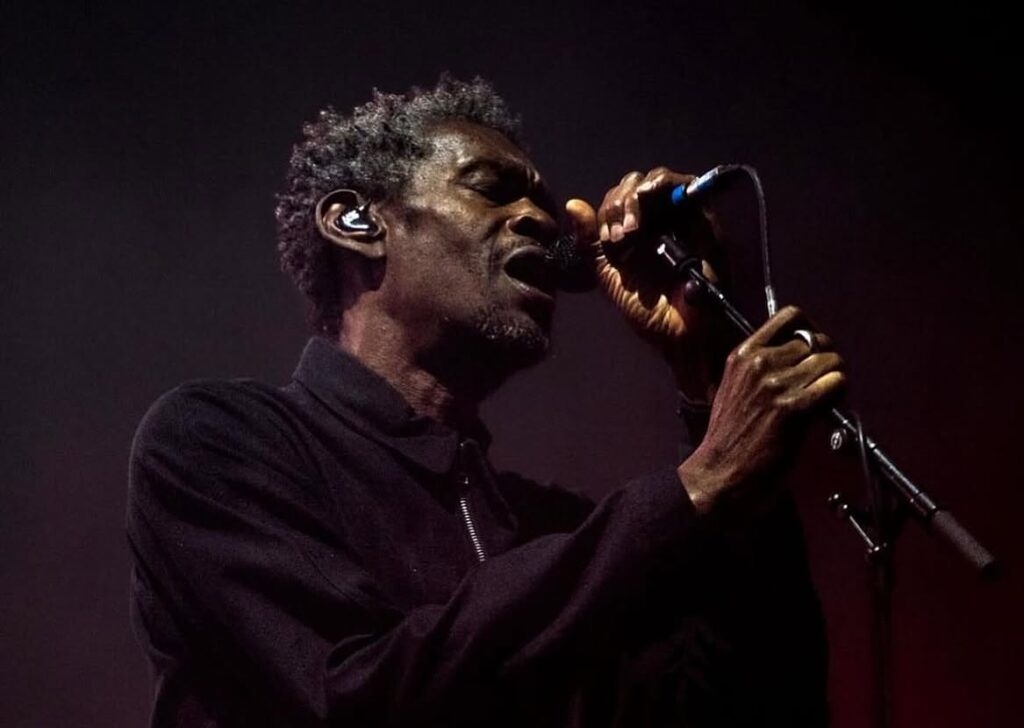
In response, Massive Attack stood firmly behind their decision.
The group said they were proud to have shared what they described as an “impromptu expression” with Singaporean fans, noting that many audience members had already begun chanting before the band joined in. They also expressed gratitude toward those in attendance, praising what they viewed as the courage of local concertgoers who participated despite the country’s restrictive laws.
The band further called on the Singaporean government to ratify the United Nations International Covenant on Civil and Political Rights, arguing that citizens should be able to express their conscience without fear of prosecution.
A Long History of Political Activism
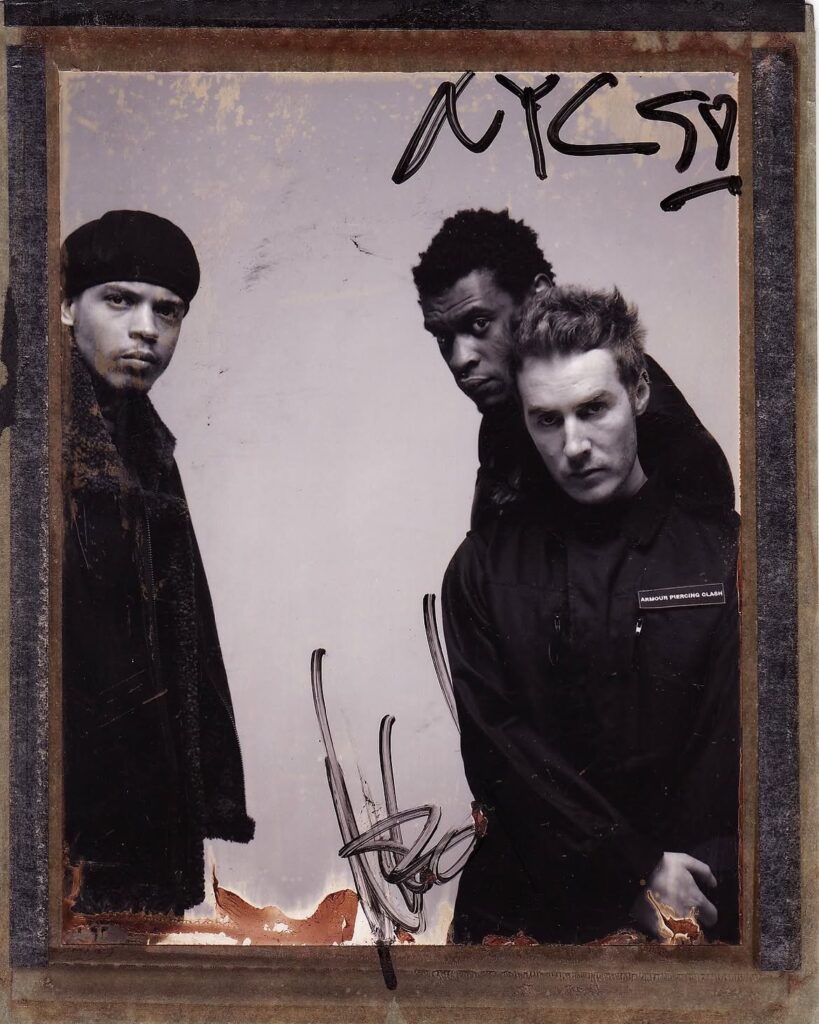
The incident is the latest chapter in Massive Attack’s long standing record of political engagement.
For decades, the group has used its platform to campaign on issues including climate change, human rights and international conflicts. In recent years, Massive Attack has repeatedly spoken in support of Palestine, joining hundreds of artists in open letters urging political leaders to take action over the humanitarian situation in Gaza.
Earlier this year, Robert Del Naja was among hundreds of demonstrators arrested during a Palestine Action protest in London’s Trafalgar Square. The group also joined Brian Eno, salute, Erika de Casier and other artists in publicly calling for a boycott of the Eurovision Song Contest over Israel’s participation.
When Music Meets Politics
The Singapore incident once again highlights the increasingly complex relationship between live performance and political expression.
Electronic music has historically been rooted in ideas of freedom, inclusion and collective expression, yet artists touring internationally often encounter vastly different legal and cultural frameworks governing what can be said or displayed on stage.
Whether viewed as an act of solidarity or a breach of local law, Massive Attack’s performance has reignited discussion about where artistic expression ends and political activism begins, illustrating how the modern concert stage continues to serve as a platform not only for music, but also for global debate.
📷 : Cover Photo / Courtesy of Massive Attack
📷 : Additional Photo Credits / Platonova Alina (CC License), Courtesy of Massive Attack