The Association for Electronic Music, AFEM, has introduced its Promoter Good Practice Guide, a voluntary framework created to help independent and early career electronic music promoters navigate an increasingly complex events industry. Developed with input from AFEM’s global membership, the guide brings together knowledge from established promoters, managers, booking agents, artists, ticketing companies, marketers and insurers. Rather than functioning as a regulatory system, it is designed as a practical reference for promoters building events and careers, covering the entire process from the first artist enquiry to the final financial reports after the dancefloor has emptied. At its core is recognition of the role independent promoters play in electronic music. They connect artists, venues and audiences, provide emerging talent with opportunities and maintain the grassroots spaces where scenes are able to develop.
From Artist Bookings to the Production Advance
A significant part of the guide focuses on the relationship between promoters, artists and booking agencies, an area where poor communication can quickly create financial or operational problems. AFEM recommends that initial booking requests clearly state the date, location, capacity, ticket price, proposed set time and performance duration, alongside information about the promoter’s previous events when relevant. Promoters are also encouraged to establish artist travel, accommodation, technical and hospitality requirements before finalising budgets. Agency booking fees are identified as typically sitting around 10 to 15 percent, although AFEM notes that these can vary. The framework explicitly rejects pay to play arrangements in which artists are charged for the opportunity to perform and encourages promoters to create sustainable offers rather than entering financially unrealistic bidding situations. It also recommends programming that balances headliners with local talent, newcomers and established artists while considering diversity, accessibility and the communities surrounding an event.
Once a booking is confirmed, AFEM places considerable emphasis on the production advance. For smaller club events, the organisation recommends beginning this process around two to three weeks before the show, while larger or international events may require four to six weeks. The advance should establish travel schedules, hotel details, ground transport, technical specifications, hospitality, accreditation, guest lists, set times and emergency contacts before the artist arrives. A final day sheet should ideally reach all relevant parties at least 48 hours before the event. These details may appear routine, but the guide treats them as indicators of professionalism. A promoter who resolves potential problems before show day is more likely to earn trust from artists and agencies, strengthening relationships that can continue across future events.ed the release as an opportunity to amplify stories belonging to people whose voices can be restricted or suppressed.

Ticketing, Pricing and the Fight Against Fraud
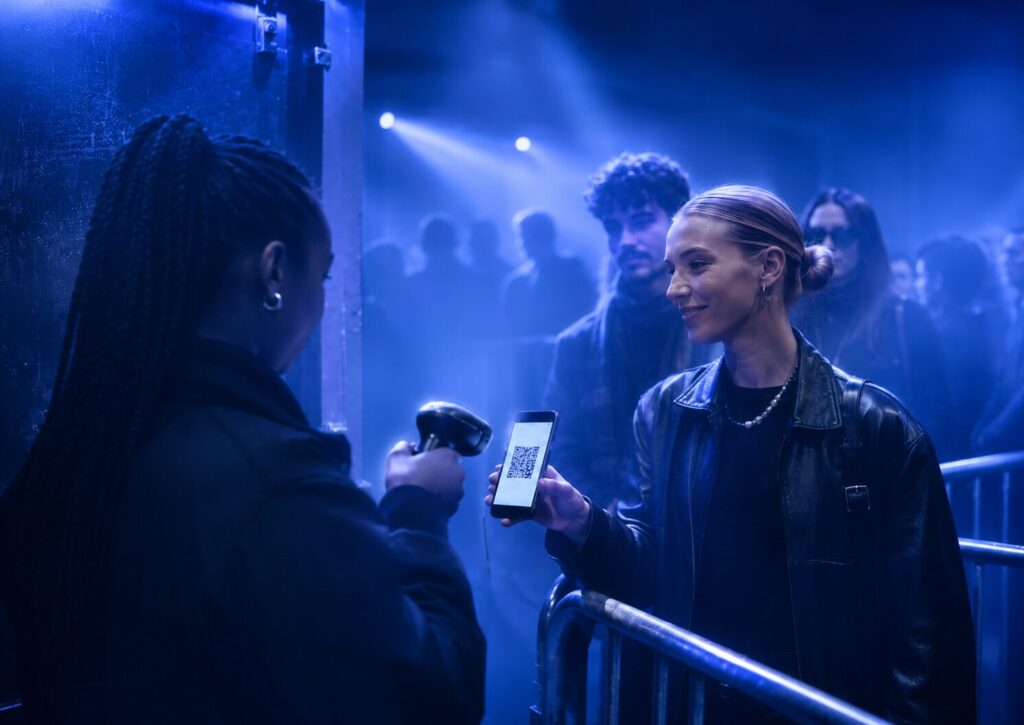
Ticketing receives equally detailed attention. AFEM’s guide notes customer booking fees commonly around 10 to 12 percent, while ticketing advances can represent approximately 5 to 10 percent of face value, depending on the agreement. Promoters are encouraged to understand not only what a ticketing company charges but also who owns audience data, how customer funds are protected, when event revenue is paid out and how refunds and chargebacks are handled. The guide also addresses secondary ticketing and fraud, recommending official resale systems, clear resale policies, purchase limits and bot protection where available. Promoters should clearly communicate where legitimate tickets can be purchased rather than leaving audiences exposed to unofficial sellers. AFEM also advises examining long term exclusivity clauses, sign on incentives and hidden administration costs before committing to a ticketing provider.
This connects directly with another major theme of the framework: promoters should build relationships with audiences rather than treating ticket sales as isolated transactions. Access to real time sales information, customer data and marketing tools can help independent promoters understand who attends their events and communicate with those audiences again. The guide encourages responsible marketing based on accurate information, particularly when representing lineups, ticket availability and event details. Accessibility should also extend into communication, with clear information for people with visible and non visible disabilities. In this model, good promotion is not simply about generating urgency. It is about establishing enough trust that audiences are willing to return.
Safety, Sound and Sustainability Become Core Responsibilities
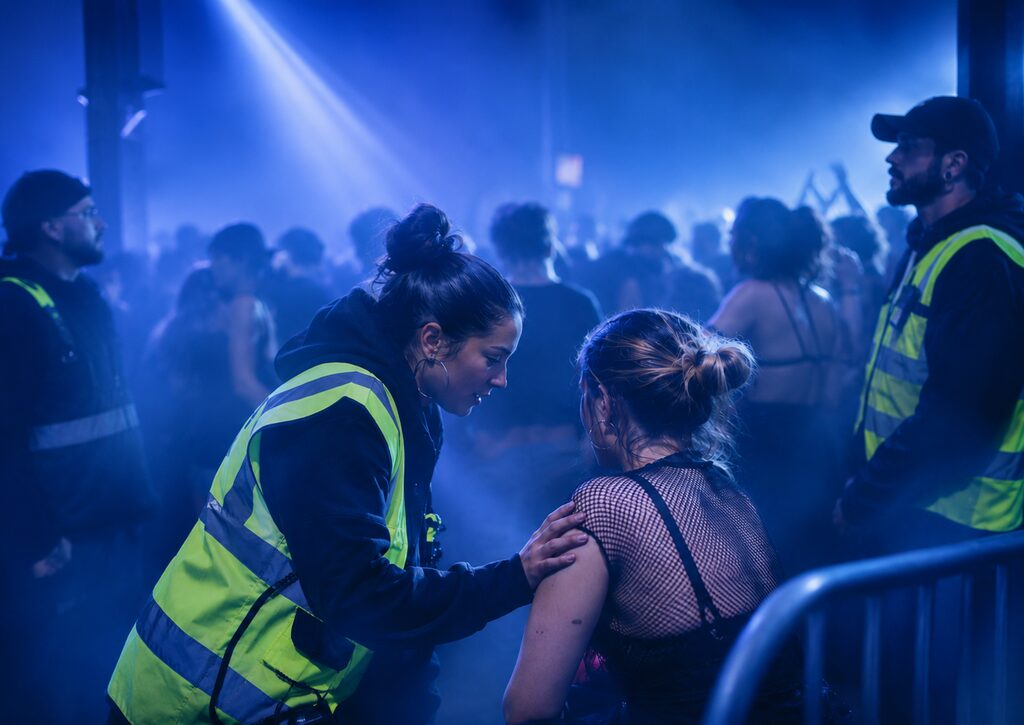
AFEM expands the promoter’s responsibilities well beyond booking artists and selling tickets. The guide covers event insurance, audience welfare, staff safety, accessibility, sustainability and emergency planning. Promoters are encouraged to understand public liability insurance, cancellation cover, equipment protection and artist travel disruption rather than assuming a venue or another partner has already taken responsibility. During events, AFEM calls for safe spaces with zero tolerance for harassment or unfair treatment, alongside clear procedures for emergencies and communication between staff. Sustainability is also incorporated into the framework through recommendations concerning waste, energy, emissions and suppliers, reflecting the growing expectation that environmental planning becomes part of event production rather than an optional addition.
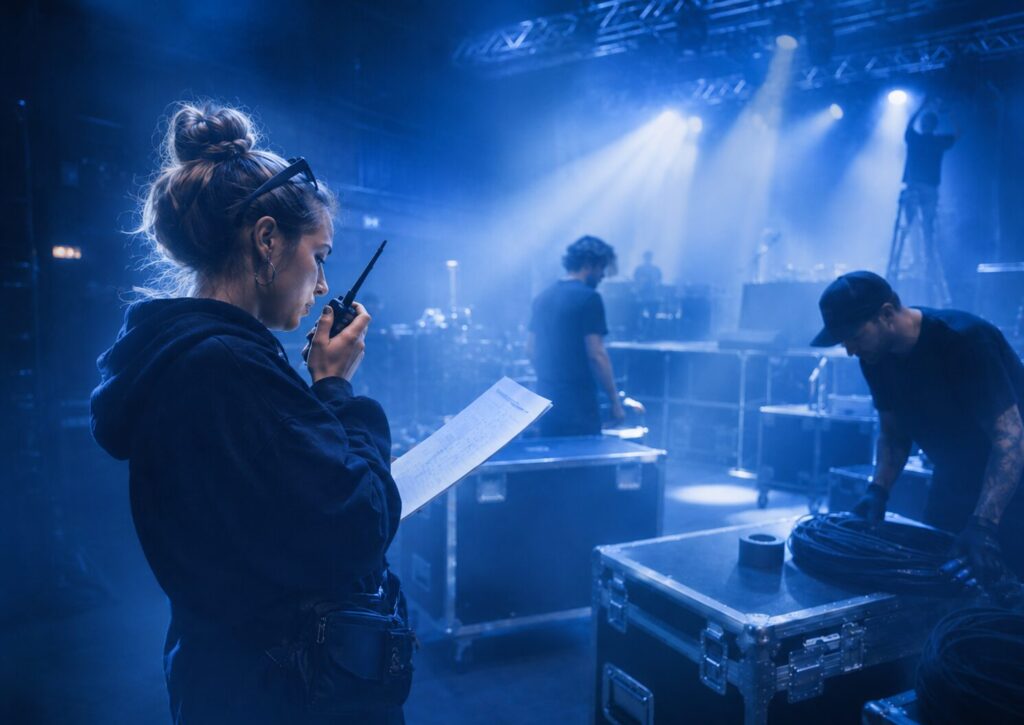
Sound quality receives its own section, reinforcing the idea that production standards are fundamental to audience and artist experience. AFEM recommends assessing venue sound systems, working with qualified audio professionals, carrying out sound checks and ensuring equipment meets artist requirements. Backup systems and technical redundancy should be considered where appropriate, while promoters must also remain aware of legal volume restrictions and hearing safety. Lighting and visual production should be planned in coordination with audio rather than treated as completely separate elements. For electronic music events, where the sound system can define the entire experience of a room, these recommendations place technical quality alongside programming as one of the central responsibilities of a promoter.
What Happens After the Event Matters Too
The framework does not end when the final artist finishes. AFEM recommends sending artists and agents a wrap up message within 24 to 48 hours, providing relevant ticketing information and processing outstanding payments promptly. Promoters are encouraged to conduct internal debriefs covering what worked, what failed and what should change next time. Contracts, riders, payment records, ticket reports, technical documents, incident reports and media assets should also be archived properly. These habits turn individual events into accumulated knowledge, particularly for early career promoters who are still developing their operational systems.
Legal responsibilities are another important part of that process. The guide addresses venue licensing, performing rights, employment requirements, taxes, visas and documentation for international artists. It also explains common contractual concepts through an extensive glossary, including guarantees, force majeure, exclusivity clauses, indemnification, withholding tax and recording rights. Cancellations receive particular attention, with AFEM noting that many artist agreements contain cancellation provisions around 30 days, although individual contracts can differ considerably. The guide repeatedly encourages promoters to understand agreements before signing them and to seek professional legal or insurance advice where necessary.


Building a More Sustainable Independent Promoter Network
Perhaps the most significant aspect of the guide is its attempt to make professional knowledge more accessible. Independent promoters rarely begin with the infrastructure available to major festival companies. Many learn through experience, personal networks and expensive mistakes. AFEM’s framework gathers that fragmented knowledge into one resource, while also directing promoters toward potential funding opportunities, industry organisations and specialist support. It includes funding resources across the United Kingdom, United States, Germany, the Netherlands, Australia and wider international markets, covering public arts funding, mobility support, local grants, sponsorship and other potential routes.
Promoters who work through the framework can also apply for the AFEM Promoter Good Practice Registered mark. The registration is voluntary and does not represent an endorsement, guarantee artist bookings or promise commercial success. Instead, it signals that a promoter has engaged with the principles outlined by the organisation. That distinction captures the broader purpose of the initiative. There is no formula capable of guaranteeing a sold out club night, but clearer communication, safer environments, transparent ticketing, responsible finances and stronger artist relationships can create better conditions for independent events to survive. In an electronic music ecosystem increasingly shaped by rising costs and operational complexity, AFEM’s message is straightforward: protecting grassroots culture also means giving the people building it better tools to work with.
📸 : Cover Photo / Courtesy of Association For Electronic Music
📸 : Additional Photo Credits / AI-generated imagery, Noland Live (CCO License)