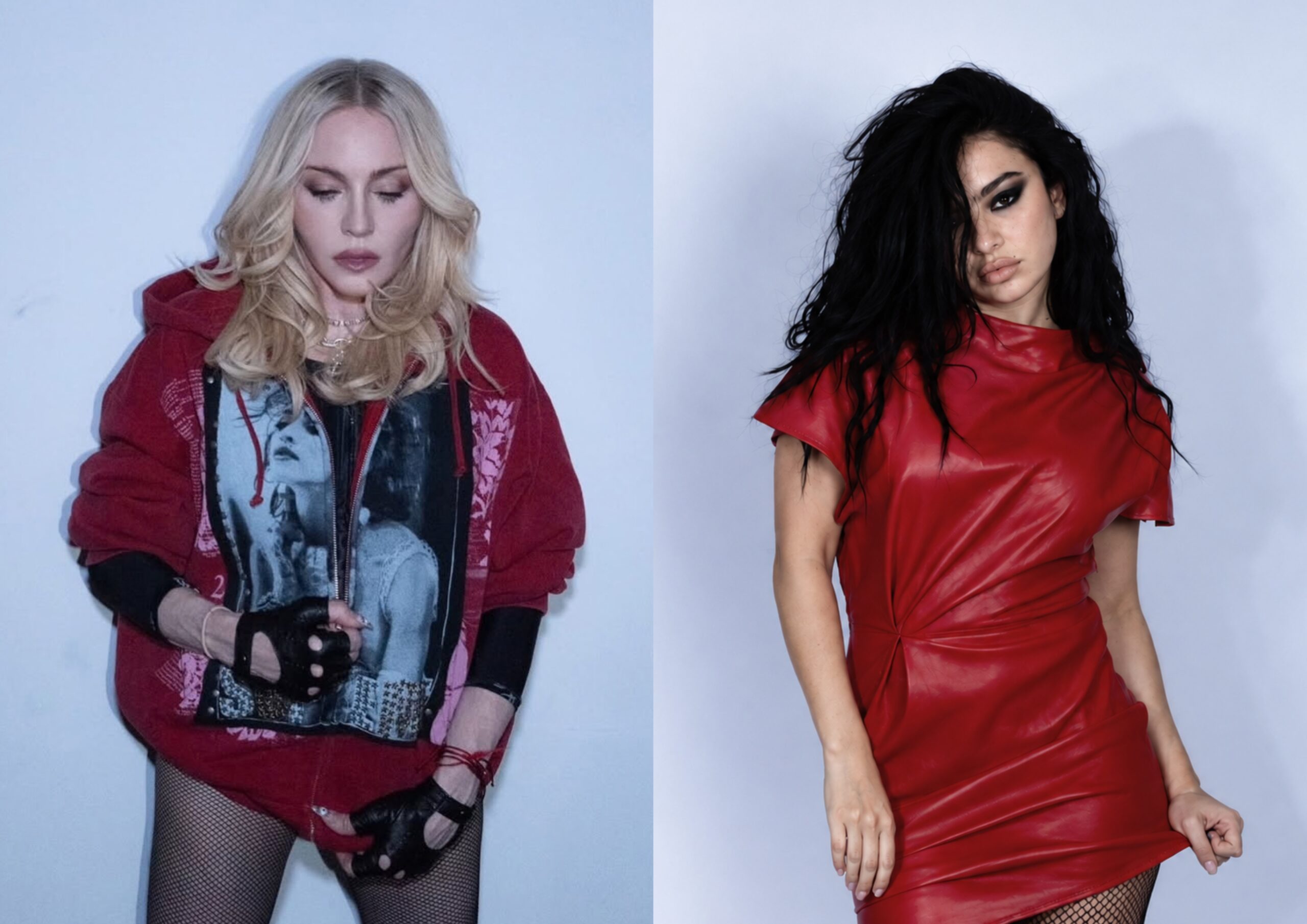
Two generations of pop shaped by the dancefloor are coming together. Madonna and Charli XCX have unveiled a first preview of “Danceteria Afterhours,” a new collaborative version of Madonna’s “Danceteria,” set for release on September 24, 2026.
The pair revealed the collaboration through an Instagram reel featuring Madonna and Charli XCX together while the new version plays in the background. During the clip, Madonna recites the line “Everyone here is a work of art,” taken from the original track, while the accompanying caption reads: “Let’s take it to the East side baby……”
The collaboration connects two artists whose careers, despite belonging to very different eras, share a fascination with the relationship between pop music, nightlife and underground club culture.
“Danceteria” Heads Into the Afterhours
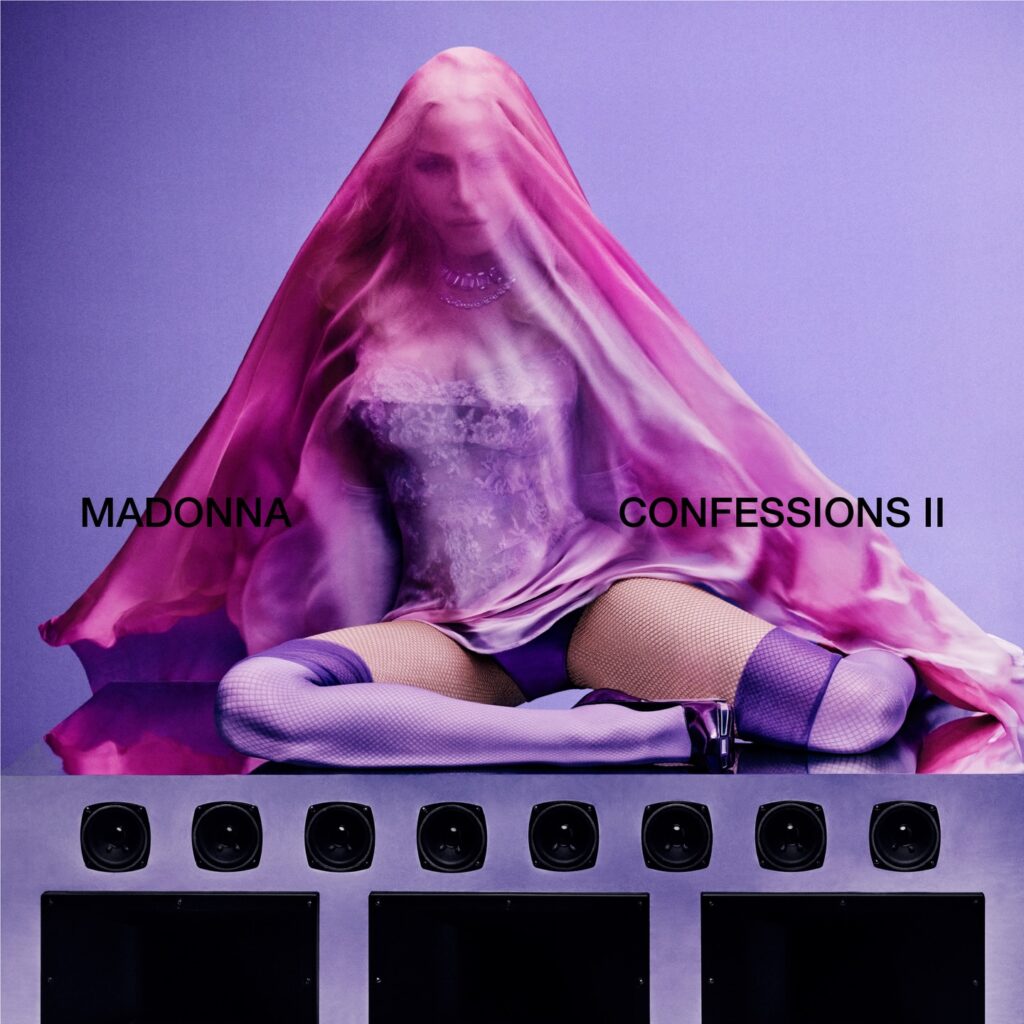
“Danceteria Afterhours” reworks a track originally featured on Madonna’s latest album, Confessions On A Dance Floor: Part II.
A physical three track CD single is also available, bringing together the new Charli XCX collaboration, a remix by Harry Romero and the original version of “Danceteria.”
That choice of collaborators gives the release a particularly club focused identity. Charli XCX represents a contemporary generation where experimental electronic production increasingly crosses into mainstream pop, while Harry Romero brings decades of experience rooted directly in house music and club culture.
The result places “Danceteria” within several different interpretations of the dancefloor rather than treating the remix simply as an alternative version of a pop single.
A Name With New York Nightlife History
The title itself carries considerable weight.
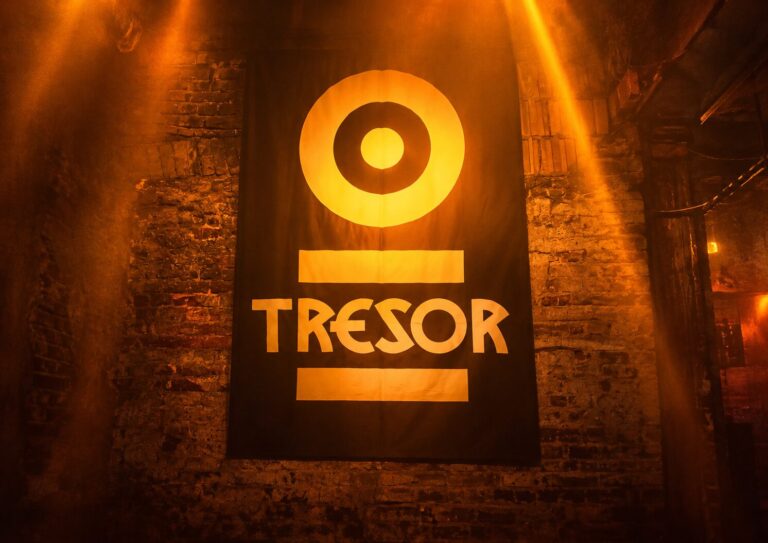
Danceteria was the name of the legendary New York nightclub closely connected to the city’s creative underground during the early 1980s. Located on West 21st Street during its best known period, the venue brought together music, performance, fashion, art and nightlife at a moment when the boundaries between those worlds were unusually porous.
It also holds an important place in Madonna’s early story. Before becoming one of the biggest pop artists in the world, Madonna was part of the downtown New York scene surrounding clubs such as Danceteria. The venue became associated with an important moment in Madonna’s ascent when DJ Mark Kamins encountered her music and subsequently helped bring “Everybody” to wider attention.
Decades later, naming a track “Danceteria” connects Madonna’s current work directly with the nightlife environment that surrounded the beginning of her career.
The caption accompanying the new remix teaser,
Let’s take it to the East side baby……
pushes that New York connection even further.
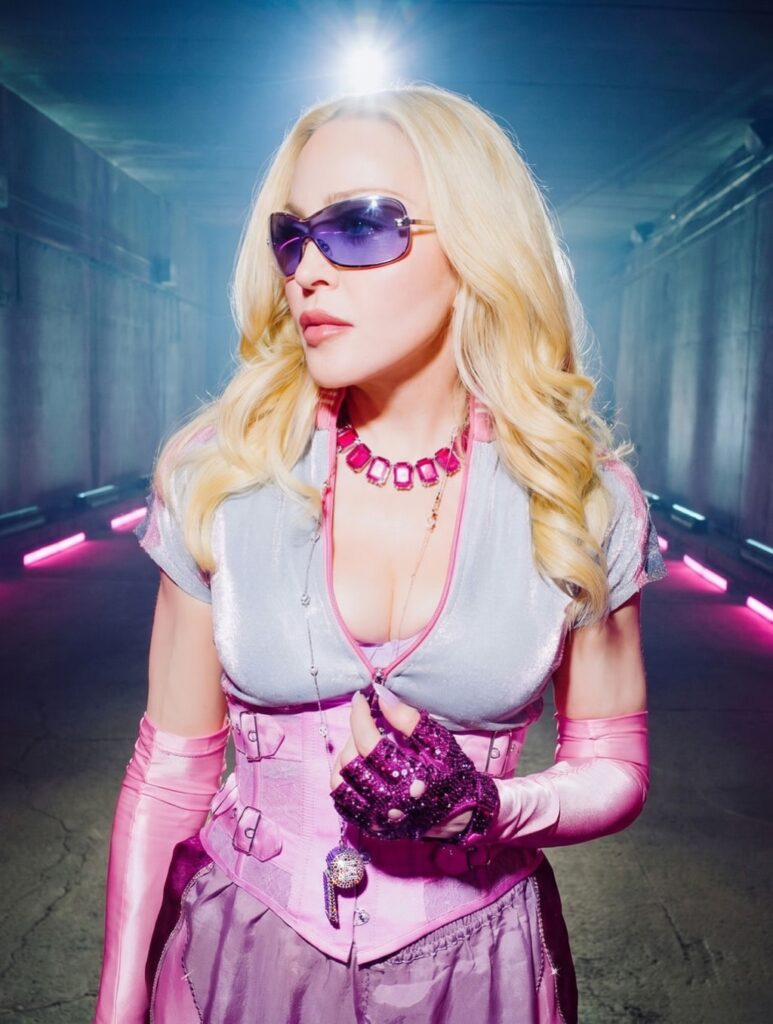
Madonna Returns to the Confessions Universe
“Danceteria” appears on Confessions On A Dance Floor: Part II, Madonna’s 15th studio album and her first full length project since Madame X in 2019.
Released in July, the album consciously returns to territory that has played a central role throughout Madonna’s career: the club.
Its title directly follows Confessions on a Dance Floor, Madonna’s celebrated 2005 album that blurred the boundaries between pop songwriting and continuous dance music. That record produced tracks including “Hung Up” and “Sorry,” while its seamless sequencing gave the album the feeling of moving through an extended club set.
More than two decades later, Part II revisits that relationship from a different point in Madonna’s career, connecting contemporary collaborators with the dance music foundations that have repeatedly resurfaced throughout her catalogue.
A New Generation Enters Madonna’s Dancefloor
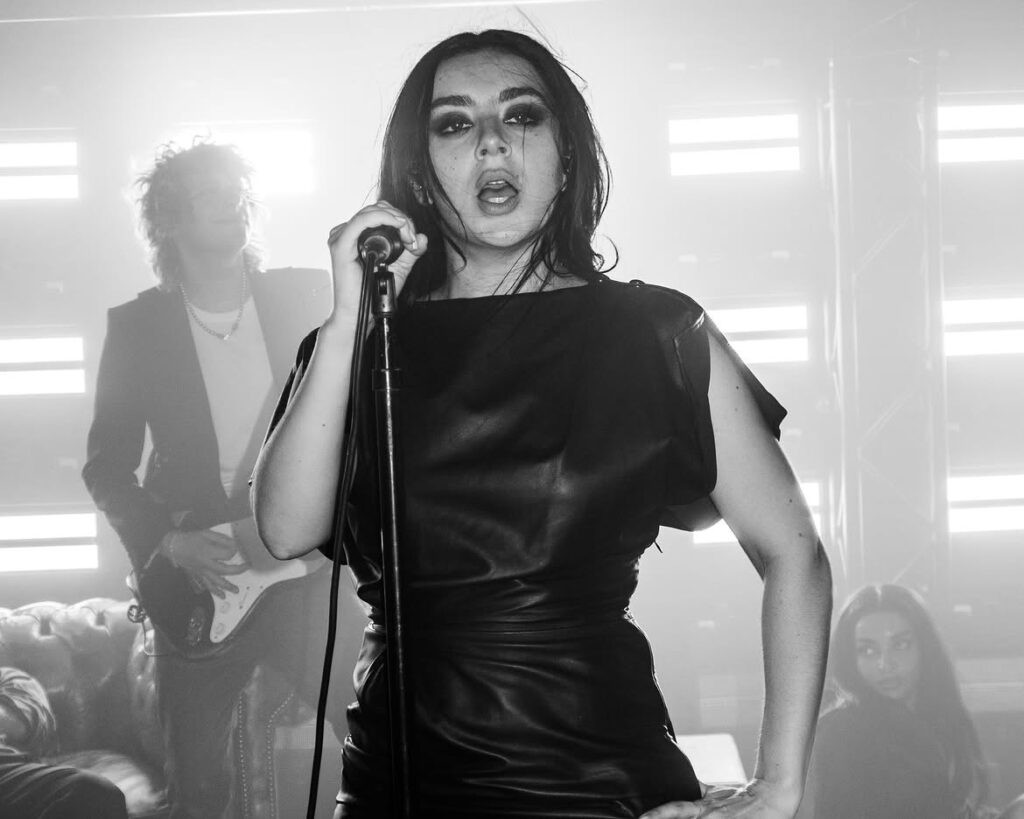
Charli XCX is an especially fitting presence within that world.
Following the cultural impact of Brat in 2024, Charli XCX has continued to operate in the increasingly fluid space between pop stardom and electronic music culture. Her work has consistently drawn from club production while challenging conventional ideas about what mainstream pop is supposed to sound like.
In 2026, Charli XCX followed Brat with Music, Fashion, Film, continuing a period in which music, visual identity, nightlife and fashion have increasingly become interconnected parts of her creative universe.
That makes “Danceteria Afterhours” less unexpected than it might initially appear. Madonna spent decades bringing sounds and ideas from nightlife into mass pop culture. Charli XCX has been pursuing a similar conversation for a new generation, although through a distinctly different musical and cultural lens.
Their collaboration creates a line between two moments when the club became a laboratory for pop’s next mutation.
The Club Remains at the Centre
“Danceteria Afterhours” also continues the collaborative character surrounding Madonna’s latest chapter.
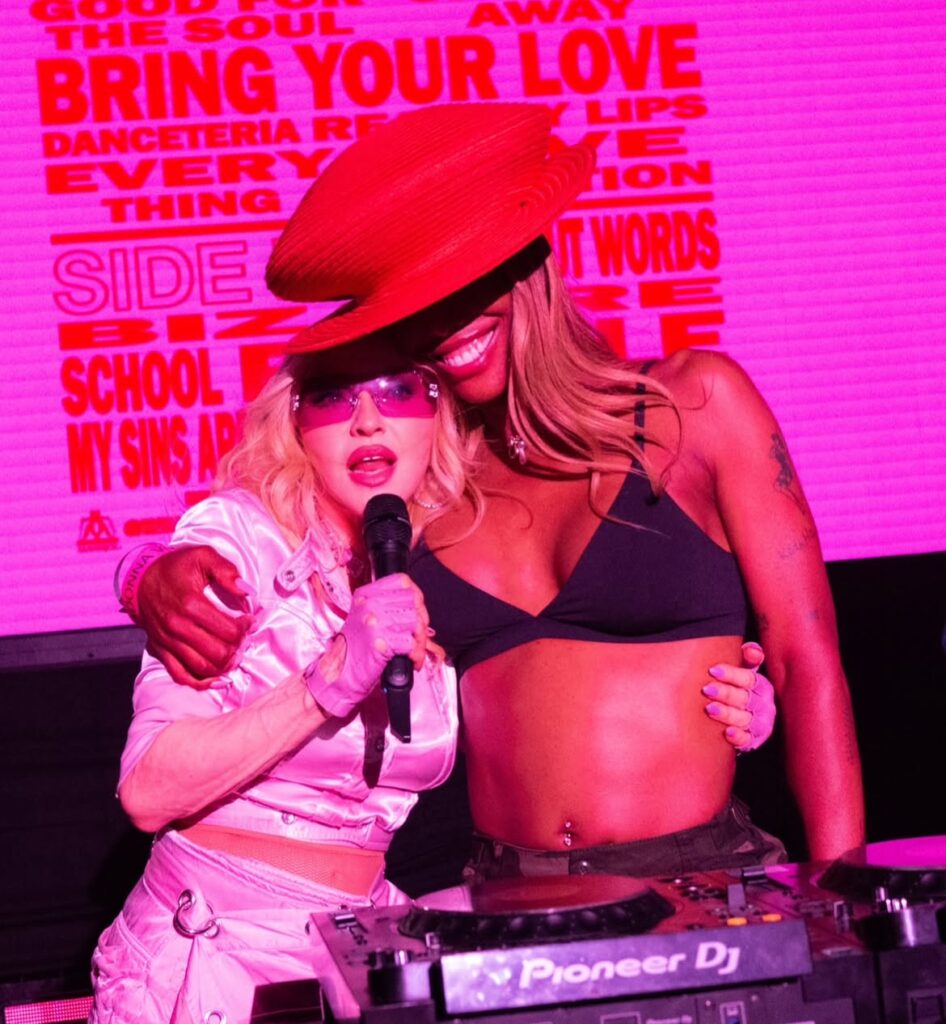
The new album has already produced “Bring Your Love” with Sabrina Carpenter and “Bizarre” with Martin Garrix, while Madonna previewed material from the project during a surprise DJ appearance at The Abbey in Los Angeles earlier this year.
Bringing Charli XCX into the project strengthens its connection with contemporary electronic culture, while Harry Romero’s separate remix keeps one foot firmly inside house music.
There has also been speculation surrounding a possible joint appearance at the 2026 MTV Video Music Awards, where Madonna is scheduled to perform. No appearance by Charli XCX alongside Madonna has been confirmed, however, so for now the connection between the two artists remains centred on the music.
From Danceteria to the Afterhours
There is something fitting about Madonna returning to the name Danceteria more than four decades after the New York club became part of her formative years.
The original venue belonged to an era when downtown nightlife operated as an incubator for musicians, DJs, artists and outsiders. Charli XCX comes from a radically different cultural landscape, one shaped by streaming, social media and the rapid circulation of underground sounds into global pop.
Yet the dancefloor remains the common language.
With “Danceteria Afterhours,” Madonna is not simply looking backwards at the club culture that helped launch her career. By bringing Charli XCX into the track, she connects that history with an artist helping define what the intersection between electronic music and pop sounds like today.
More than forty years separate those two worlds. At the right hour, they can still meet on the same dancefloor.
📷 : Cover Photo / Courtesy of Madonna, courtesy of Charli XCX
📷 : Additional Photo Credits / Courtesy of Madonna, courtesy of Charli XCX