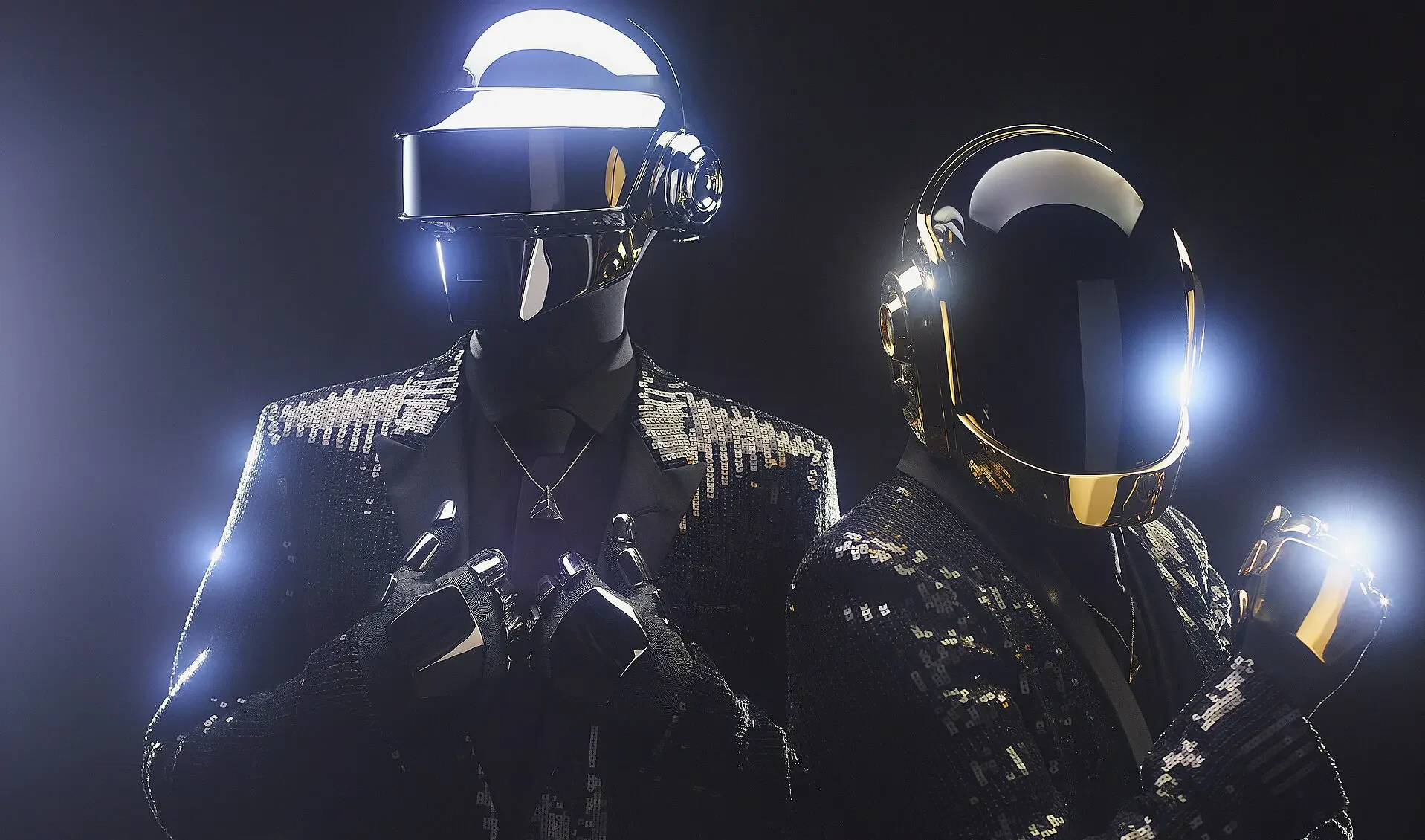
A previously unreleased Daft Punk DJ mix from 1997 has resurfaced almost three decades after it was originally recorded, following an unlikely discovery inside a storage unit.
British DJ and 20/20 Vision founder Ralph Lawson found the recording on an old cassette while searching through his DAT archive in 2024. The tape had been submitted by Thomas Bangalter and Guy-Manuel de Homem-Christo in February 1997 as a guest mix for Ralph Lawson’s Trans Europe Express radio show on Kiss FM.
There was one substantial problem. The cassette had deteriorated badly.
Ralph Lawson described finding the tape in a mouldy and damaged condition, with the physical recording requiring restoration before anyone could determine exactly what had survived.
After a lengthy recovery process, the recording has now been restored and shared publicly, revealing a rare snapshot of Daft Punk at one of the most important moments in the duo’s early history.
A Cassette From the “Homework” Era
The date of the recording makes the discovery particularly significant.
Daft Punk released their debut album Homework in January 1997, meaning the cassette was submitted only weeks after the album arrived.
The record introduced a wider international audience to the raw, repetitive and deliberately physical sound Thomas Bangalter and Guy-Manuel de Homem-Christo had been developing through tracks including “Da Funk,” “Around the World,” “Revolution 909” and “Burnin’.”
Rather than the polished retro futurism that would later define Discovery, this period of Daft Punk was deeply connected with house, techno, funk and the intensity of club music.
The recovered mix reflects that environment.
Chicago house influences sit alongside scratching, forceful grooves and the rougher rhythmic character associated with Daft Punk’s early productions and DJ performances.
For listeners familiar primarily with the duo’s studio albums, the recording offers another route into the musical ecosystem surrounding Homework.
Ralph Lawson’s Unexpected Discovery
Ralph Lawson discovered the cassette while going through archival material in 2024.
The tape had survived since 1997, but only barely. Ralph Lawson recalled that it was both mouldy and ripped, leaving the recording inaccessible until specialist restoration work could be carried out.
Bristol based Great Bear Digitising assisted with recovering the cassette.
Even after the physical tape had been rescued, another question remained.
Ralph Lawson needed to establish whether the recording was genuinely different from Daft Punk’s already known 1997 radio appearances.
He was particularly concerned that the cassette might simply contain the duo’s BBC Radio 1 Essential Mix, which appeared in March of that year.
When the restored recording finally played, Ralph Lawson realised he had something different.
The cassette was an original Daft Punk mix submitted for his own programme in February 1997.
Capturing Daft Punk Before the Mythology Took Over
Part of the fascination surrounding the recording comes from what Daft Punk would subsequently become.
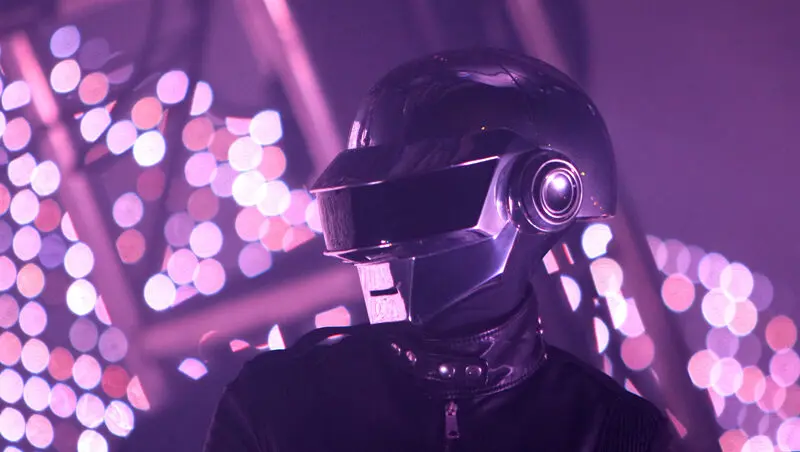
In 1997, Thomas Bangalter and Guy-Manuel de Homem-Christo were still at the beginning of a transformation that would eventually make Daft Punk one of electronic music’s most recognisable acts.
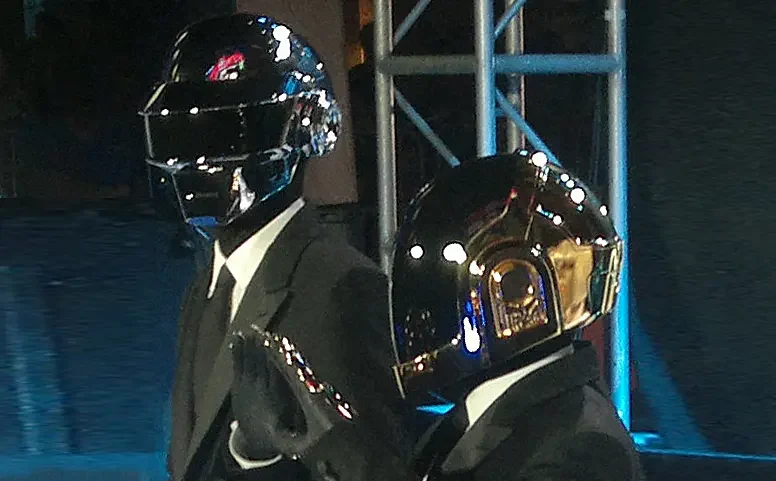
The elaborate robot mythology had not yet become the defining visual identity of the project.
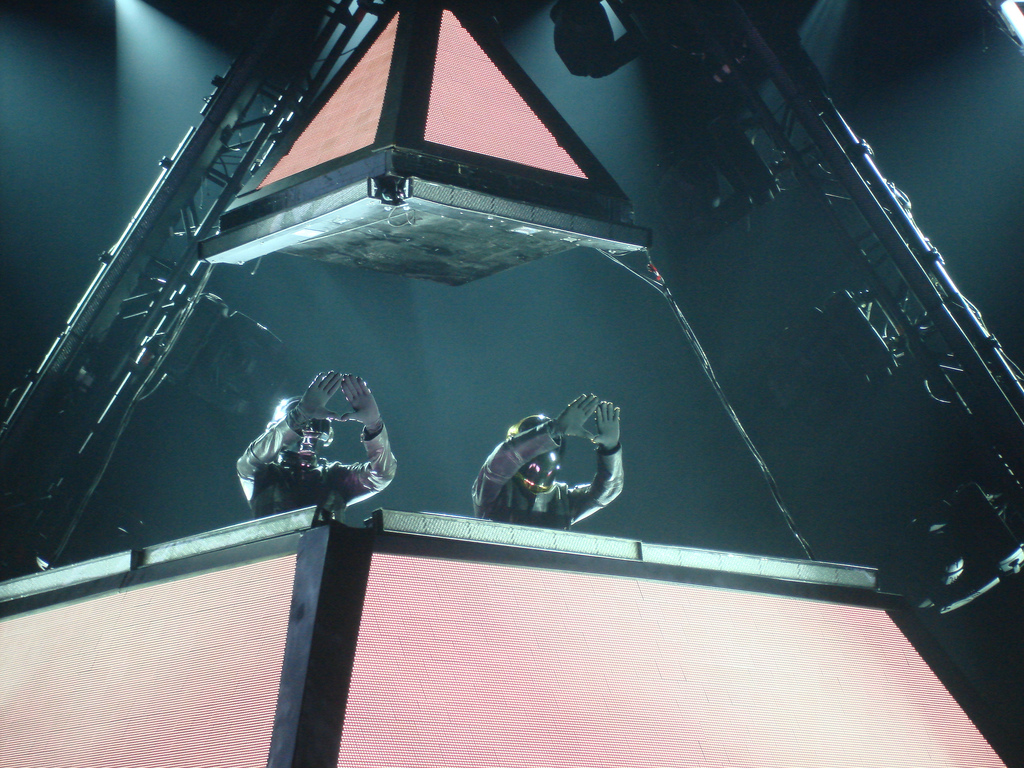
Discovery was still years away. So were Human After All, the pyramid of Alive 2007 and the enormous crossover success of Random Access Memories.
The recovered cassette therefore belongs to a period when Daft Punk were still closely associated with the immediate culture of DJing, house records and European club music.
Hearing a mix from that moment provides something a retrospective compilation cannot completely recreate. It captures musical choices being made in real time, before the subsequent decades of cultural significance had accumulated around the Daft Punk name.
A Window Into the Roots of French Touch
The timing also places the recording inside an important chapter for French electronic music.
During the second half of the 1990s, a generation of French producers was developing a distinctive interpretation of house music built around filtered samples, disco, funk, compression and heavily manipulated grooves.
Daft Punk became the most internationally visible representatives of that movement, but their success developed alongside a broader network of artists, labels, DJs and club culture.
Homework became particularly important because it connected those underground foundations with an audience far beyond France.
The newly recovered mix offers another piece of that history.
Rather than explaining Daft Punk through later success, it allows listeners to hear the duo in the musical environment from which their early identity emerged.
The Fragility of Electronic Music History
There is also something fittingly analogue about the way this recording survived.
Today, DJ sets can be streamed globally within seconds and stored across multiple digital platforms. In the 1990s, a unique mix might exist on one cassette or DAT, sitting unnoticed inside an archive for decades.
In this case, the difference between preservation and disappearance came down to a damaged cassette being rediscovered and successfully restored.
That makes Ralph Lawson’s find more than another archival upload.
It is a reminder that significant pieces of electronic music history can still exist outside official catalogues, hidden inside personal collections, radio archives and ageing physical formats.
Nearly 30 years after Thomas Bangalter and Guy-Manuel de Homem-Christo submitted the cassette for a radio programme, the recording can finally reach an audience far larger than the one it was originally intended for.
And for Daft Punk listeners, it opens another small window into February 1997, when Homework was new, the future was unwritten and two French producers were still constructing the foundations of what would become an extraordinary electronic music legacy.
📸 : Cover Photo / Sony Music Entertainment (CC License)
📸 : Additional Photo Credits / Pod k (CC License), James Whatley (CC License), Travis Rigel Lukas Hornung (CC License)