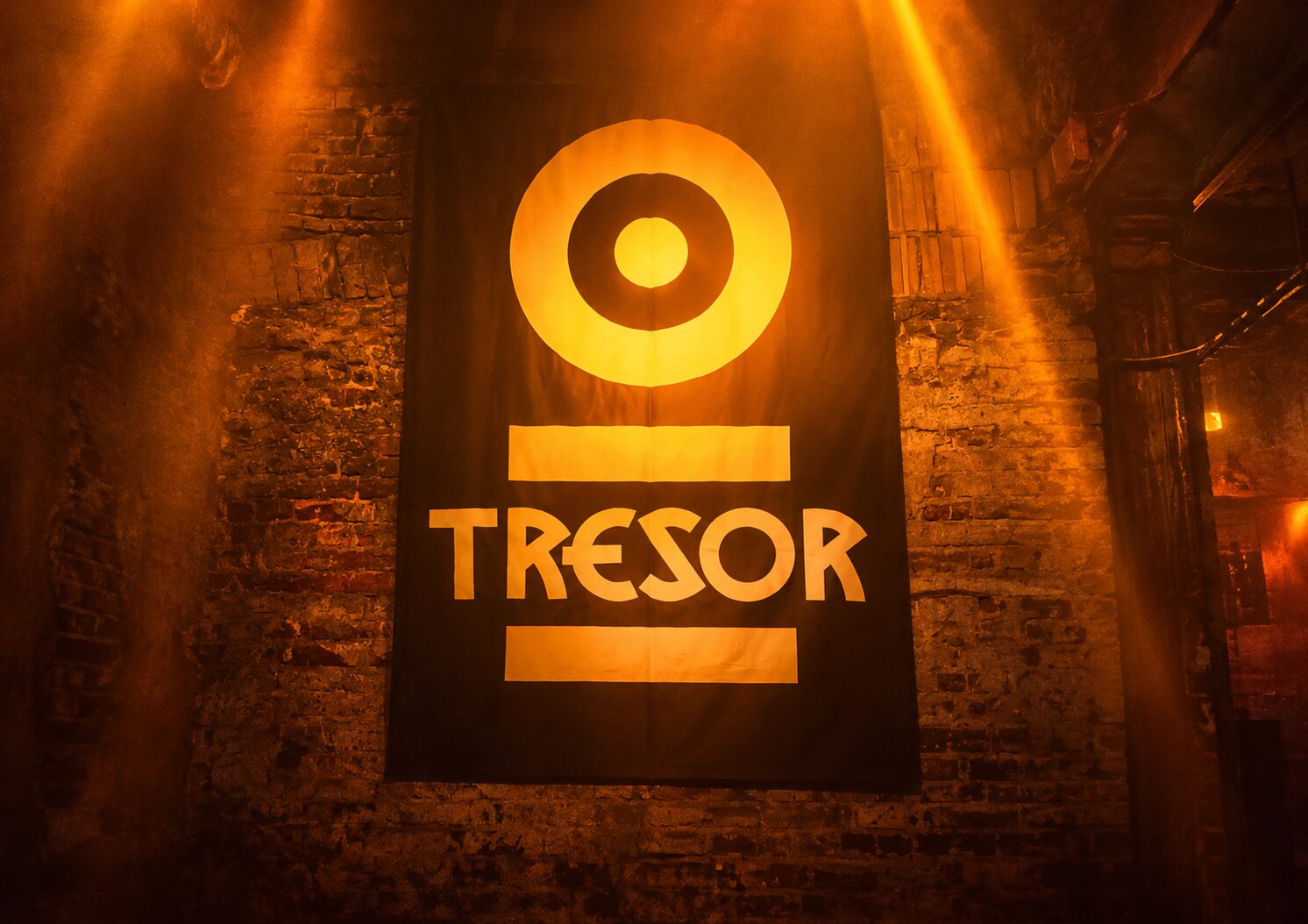
Tresor.West, the Dortmund sister venue of Berlin techno institution Tresor, will close in its current form at the end of 2026, bringing an ambitious chapter in West Germany’s underground club culture to an end.
The team has described the project as an experiment that created both a distinctive space and a community around it, but confirmed that maintaining the existing model is no longer financially sustainable.
Behind the decision sits a combination of pressures increasingly familiar across European nightlife: declining attendance, rising operational costs and changing habits among club audiences.
Yet the story may not finish with the final Tresor.West event. Rather than simply abandoning the Phönixplatz space, the team is actively searching for someone capable of taking it into a new chapter.
Searching for What Comes Next
One of the most significant details surrounding the closure is that Tresor.West operator Dimitri Hegemann is looking for a new operator or concept capable of carrying the venue forward.
In an interview with Resident Advisor, Dimitri Hegemann revealed that the team is “actively looking for someone who will carry this place forward,” with applications for new ideas open until November 15.
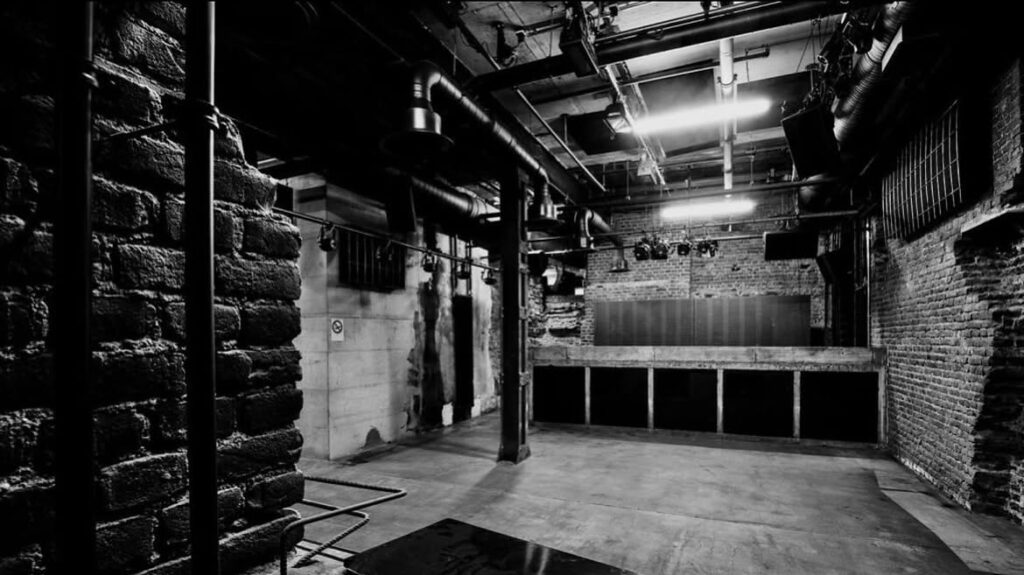
That makes the announcement somewhat different from a conventional club closure. Tresor.West as audiences currently know it may be ending, but the infrastructure, community and cultural potential surrounding the location could survive under another vision.
The club’s own statement reflects that possibility.
This was always an experiment and it has left something lasting: a remarkable space and a community that knows what it stands for.
The question now is whether another operator can build a sustainable model around what Tresor.West leaves behind.
An Experiment in Dortmund
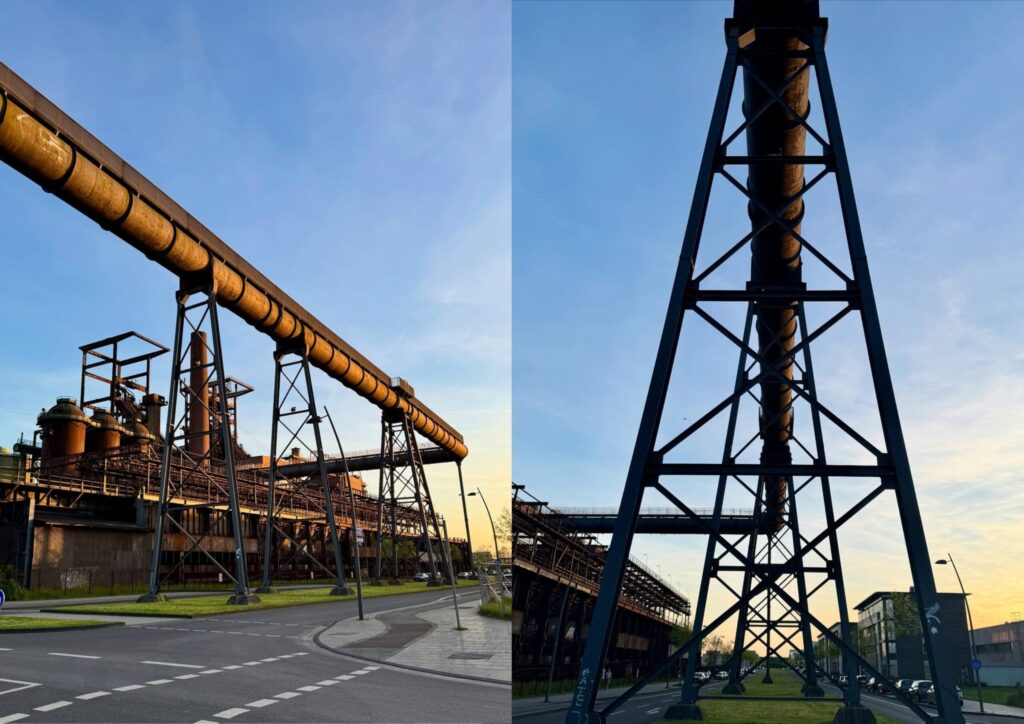
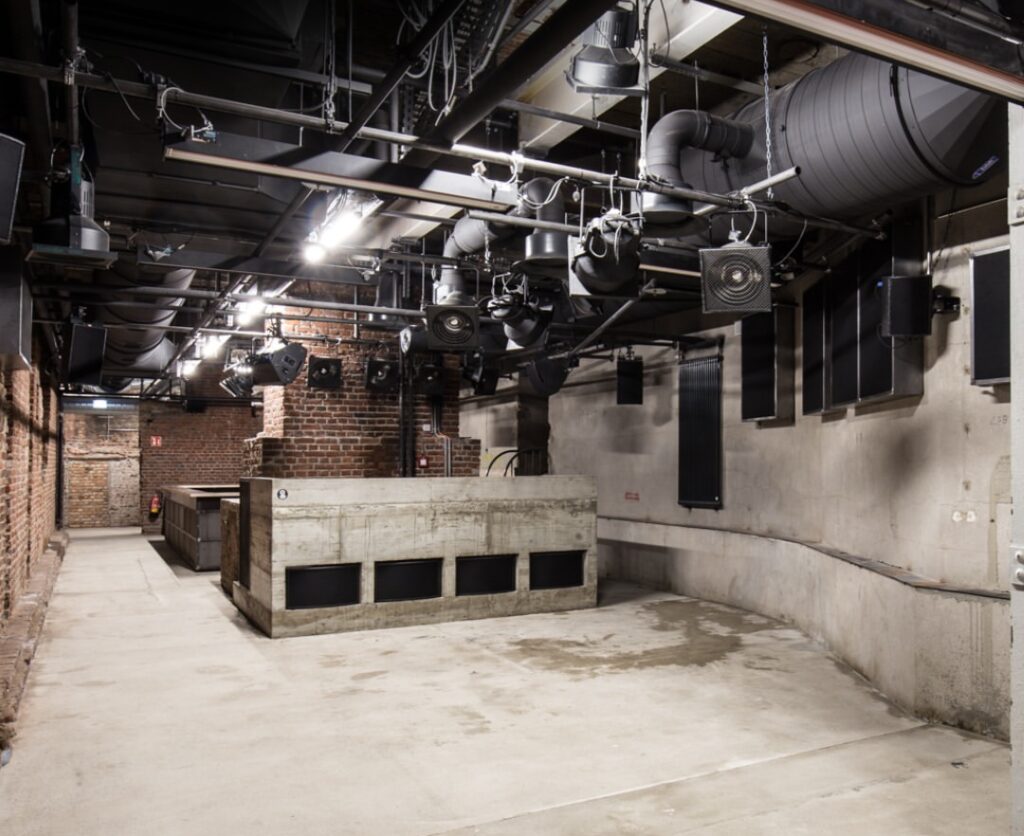
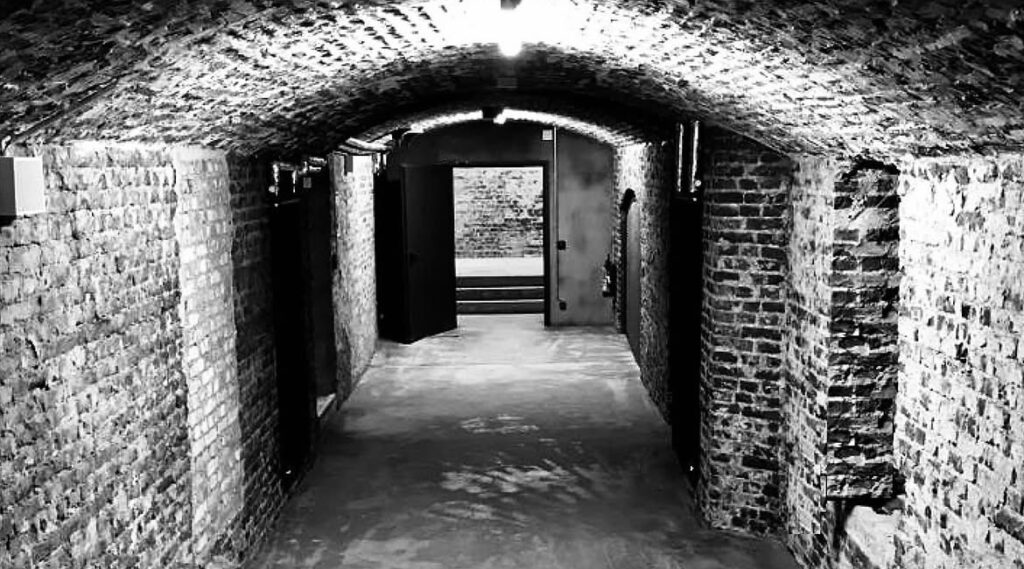
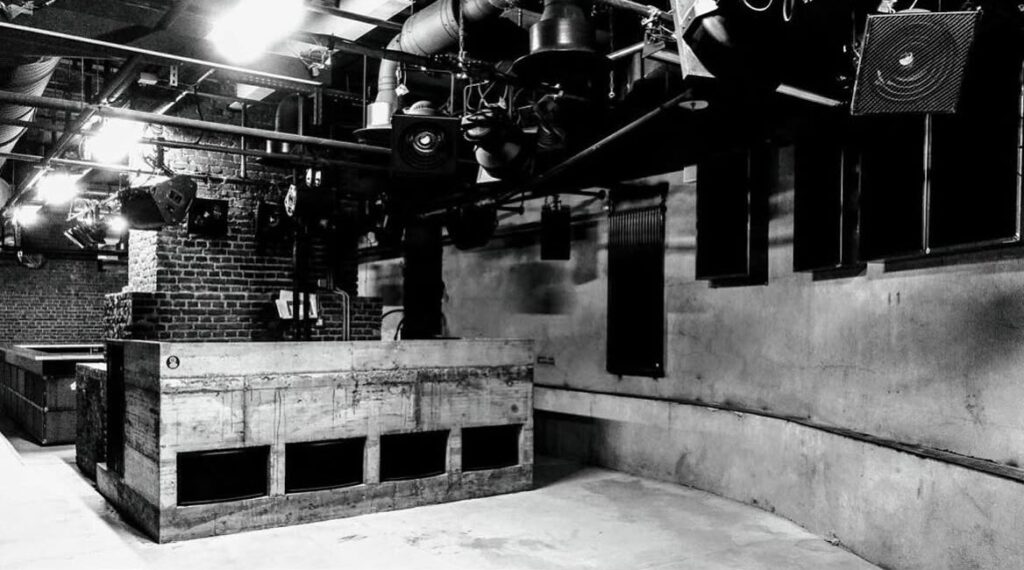
Tresor.West opened inside a historic industrial building in Dortmund at the end of 2019, extending the philosophy associated with Berlin’s Tresor into a very different cultural and economic environment.
Its development was never simply about reproducing Tresor Berlin in another city. Dortmund presented different audiences, different nightlife habits and a different relationship with underground electronic music.
Dimitri Hegemann has been open about that challenge. An artist capable of filling Tresor in Berlin could attract only a fraction of that audience in Dortmund, illustrating how dramatically the economics of underground club programming can change between cities.
The difficulty was not necessarily finding compelling artists. It was building sufficient and consistent demand around them.
Fighting for Accessible Club Culture
Earlier in 2026, Tresor.West had already experimented with a different approach to the economics of nightlife.
For a month, the venue offered free Saturday entry, shifting attention away from expensive headline bookings and toward local DJs, crews and community driven programming.
The initiative was based on a simple principle: going out should remain accessible rather than becoming a luxury.
Instead of competing within an increasingly expensive international booking market, Tresor.West attempted to redirect resources toward emerging local talent and artists willing to perform for more sustainable fees.
It was both an economic experiment and a cultural statement about what underground nightlife could prioritise.
Despite moments when new concepts appeared capable of changing the venue’s trajectory, the team ultimately concluded that the existing model could not be sustained.
One Final Season on the Dancefloor
Before the current chapter closes, Tresor.West intends to celebrate the community that formed around the venue.
Events throughout October, November and December will form its final run, with artists including Appleblim, Beatrice M, Peverelist, Phase Fatale and Truncate among those scheduled to appear.
Details surrounding the final closing event are still expected to be announced.
For regulars, the coming months will therefore offer more than a countdown toward closure. They represent a final opportunity to experience the club in the form that has defined it over the past several years.
Another Warning for European Club Culture
Tresor.West is not confronting these pressures in isolation.
Across Germany and elsewhere in Europe, independent nightlife has been forced to navigate rising rents, operating expenses, changing audience behaviour and competition from larger events and festivals.
Berlin has already lost significant venues in recent years. Watergate closed at the end of 2024 after pointing to rising costs and changes in club culture, while Renate followed with its own closure in 2025.
Tresor.West adds another dimension to that conversation because Dortmund is not Berlin. Its experience demonstrates that the pressures affecting underground nightlife extend beyond the German capital and can become even more difficult in cities without the same concentration of international club tourism.
There is also a broader question about scale. As audiences increasingly concentrate around major festivals, destination events and internationally recognised headliners, smaller clubs are being forced to reconsider how underground culture can remain financially viable without sacrificing accessibility or artistic risk.
Tresor.West spent years attempting to answer that question.
Its current model may be reaching its conclusion, but the search for a successor means the experiment itself does not necessarily have to end.
📸: Cover Photo / Courtesy of leaniart (AI-assisted recreation)
📸: Additional Photo Credits / Courtesy of Alexander Schiela, courtesy of groove_mag, courtesy of fiestaybullst, courtesy of tresor_west.