As artificial intelligence becomes increasingly embedded in music production, the debate is shifting from whether artists will use AI to how those tools should be built, trained and controlled.
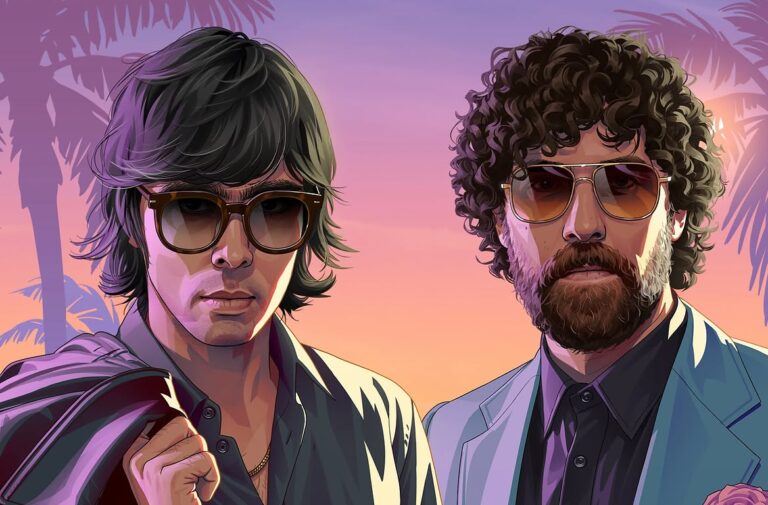
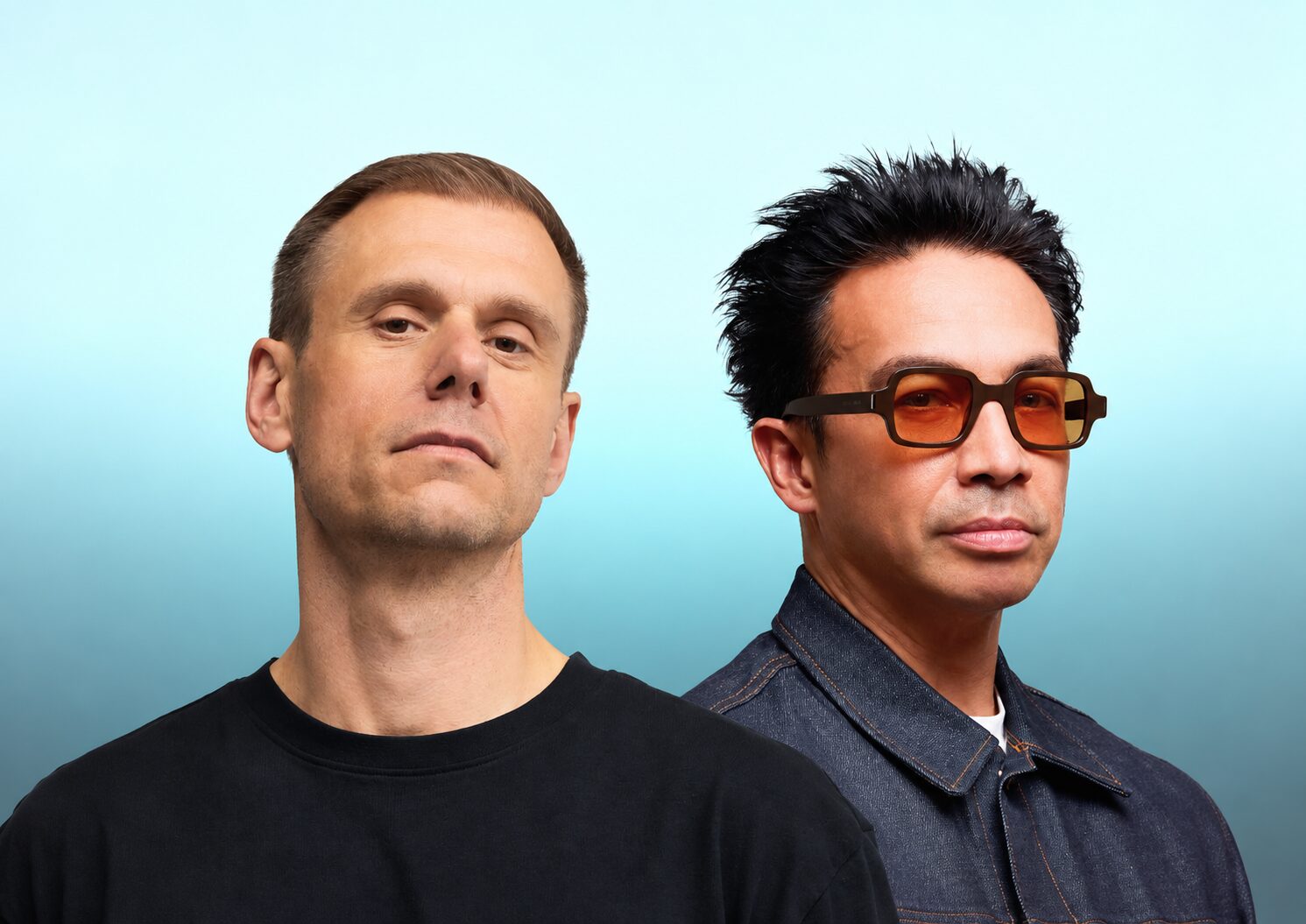
Armin van Buuren and Laidback Luke have joined AI music technology company Moises as the first members of its new Artist Partnerships program. The initiative will bring established musicians directly into the development process, with both electronic music artists expected to advise on production and DJ tools while offering feedback on the future of audio creation technology.
At the center of the partnership is Moises’ approach to AI training. The company says its models are trained exclusively on licensed and authorized content, positioning artist consent and control as central principles in an industry facing growing scrutiny over how copyrighted music is used to develop generative systems.
Building AI Tools With Artists
Moises already offers a suite of music production tools including stem separation and isolation, chord detection and mastering, technology designed to assist musicians rather than generate finished creative work in their place.
Through the Artist Partnerships program, Armin van Buuren and Laidback Luke will provide feedback on how these tools can better serve DJs and producers, while contributing their perspective on where AI-assisted production should go next.
Technology has always been part of how electronic music evolves. What matters is whether the artist stays in control.
Armin van Buuren said.
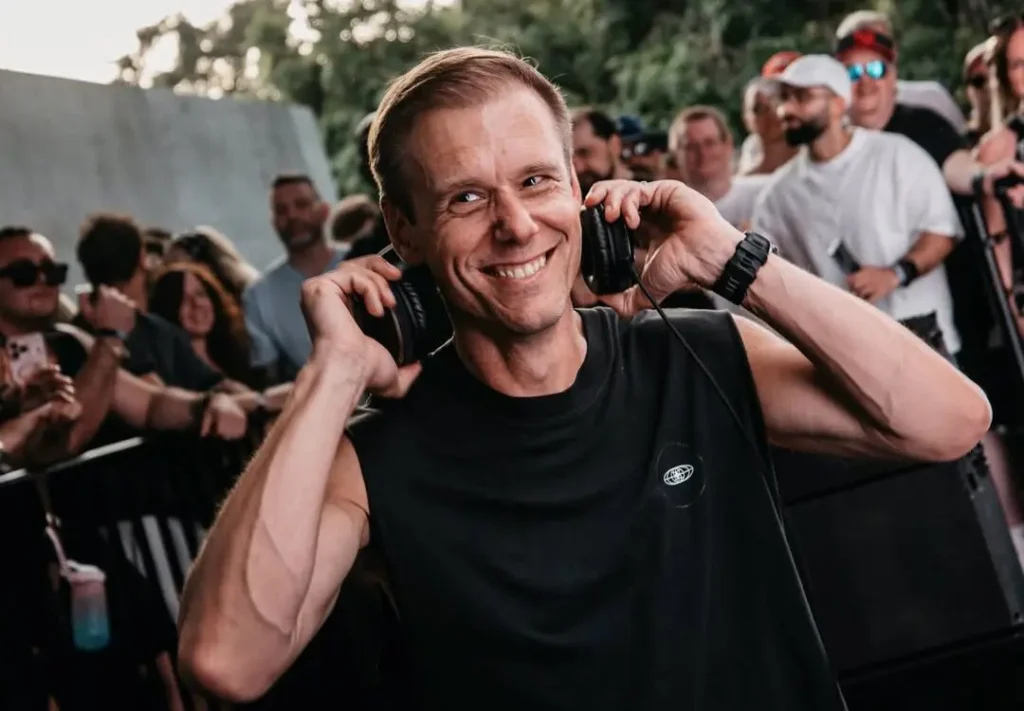
Armin van Buuren said Moises’ approach respects musicians’ own sound and creative decision-making, while offering technology that can help producers work faster and become more expressive without removing the human element from the process.
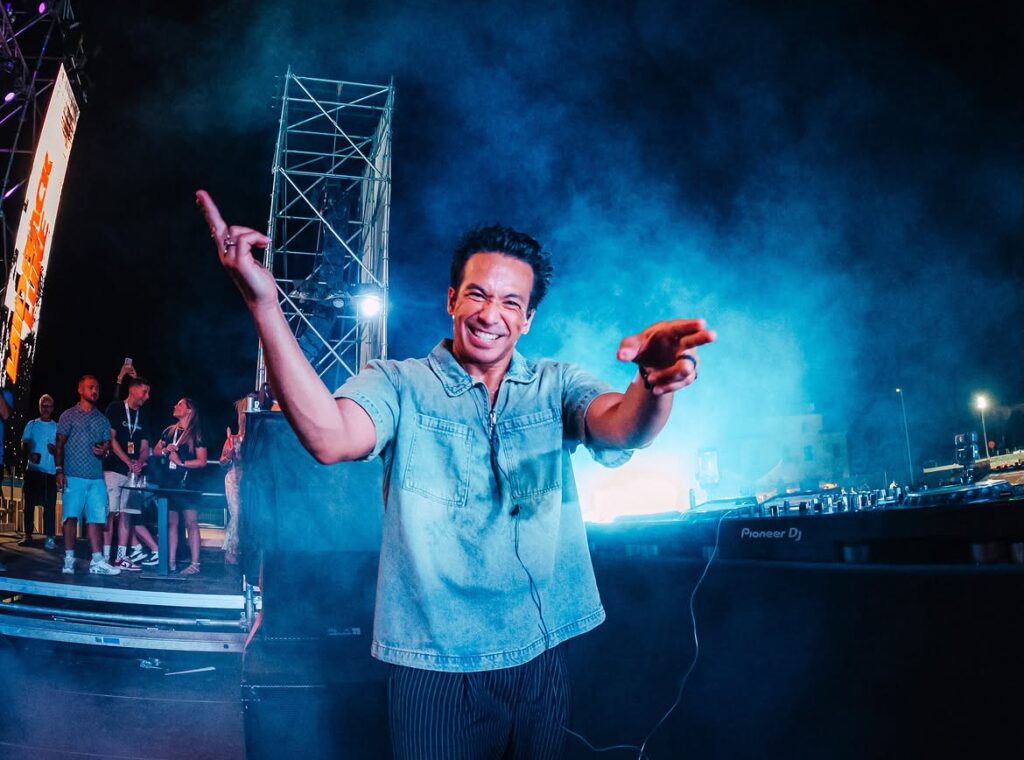
For Laidback Luke, the value of AI similarly lies in what it can enable rather than what it can replace.
Every generation of producers gets new tools, but the best tools do not do the work for you. They help you hear more, learn faster, and make stronger creative decisions.
Laidback Luke said.
A Different Approach to AI Music
Founded by Geraldo Ramos, Moises is attempting to distinguish itself from generative AI music platforms by emphasizing licensed training material and collaboration with musicians.
“The next generation of creative tools has to be built with musicians, not around them,” Geraldo Ramos said, arguing that artists should play an active role in shaping technologies they will eventually use.
The company has already established relationships across the music and technology industries, including connections with Ableton, Fender, Berklee Online, Cory Henry, Jordan Rudess and the estate of Whitney Houston. Pop artist and producer Charlie Puth also joined the company as Chief Music Officer earlier this year.
Initially focused on dance music, Moises plans to expand its Artist Partnerships program across additional genres. According to the company, its technology currently reaches around 80 million users across 190 countries, with the United States, Brazil, India, France and Japan among its largest markets.
AI Music Faces a Copyright Reckoning
The partnership arrives at a particularly sensitive moment for artificial intelligence in music.
AI-assisted production has rapidly entered mainstream workflows, but the expansion of generative music has also created increasingly complex questions around copyright, consent, attribution and training data.
Recent research cited in the industry suggested that almost 40 percent of music releases examined during July involved some form of AI assistance. At the same time, music platforms have begun drawing clearer boundaries around fully AI-generated material.
Beatport recently announced restrictions on fully AI-generated tracks, following similar moves across other music platforms. The wider industry has also been confronting the proliferation of AI-generated material that imitates established artists and questions surrounding copyrighted recordings allegedly used to train generative models without authorization.
Artists themselves are increasingly entering the debate. Skrillex recently argued that while AI-generated songs may achieve viral success, music loses something fundamental when there is no human creator on the other side of the experience.
Electronic Music’s Next Technological Shift
Electronic music has always developed alongside technology. Synthesizers, samplers, drum machines, digital audio workstations and increasingly sophisticated production software have repeatedly changed what musicians can create and how quickly they can create it.
AI may represent the next chapter, but its arrival carries a different set of questions. Unlike previous production tools, machine learning systems can be built using enormous collections of existing creative work, making the origins of their training data as important as what the technology can ultimately produce.
The involvement of Armin van Buuren and Laidback Luke in Moises points toward one possible model for that future: AI developed with artists involved in the process, trained on authorized material and designed to enhance creative decisions rather than automate creativity itself.
As the music industry continues to negotiate the boundaries between human authorship and machine assistance, the most consequential question may not be whether AI belongs in the studio. It may be who controls it, what it has learned from and whether the artist remains at the center of the creative process.
📷 : Cover Photo / Courtesy of Armin van Buuren, Laidback Luke and Moises
📷 : Additional Photo Credits / Courtesy of Armin van Buuren, courtesy of Laidback Luke