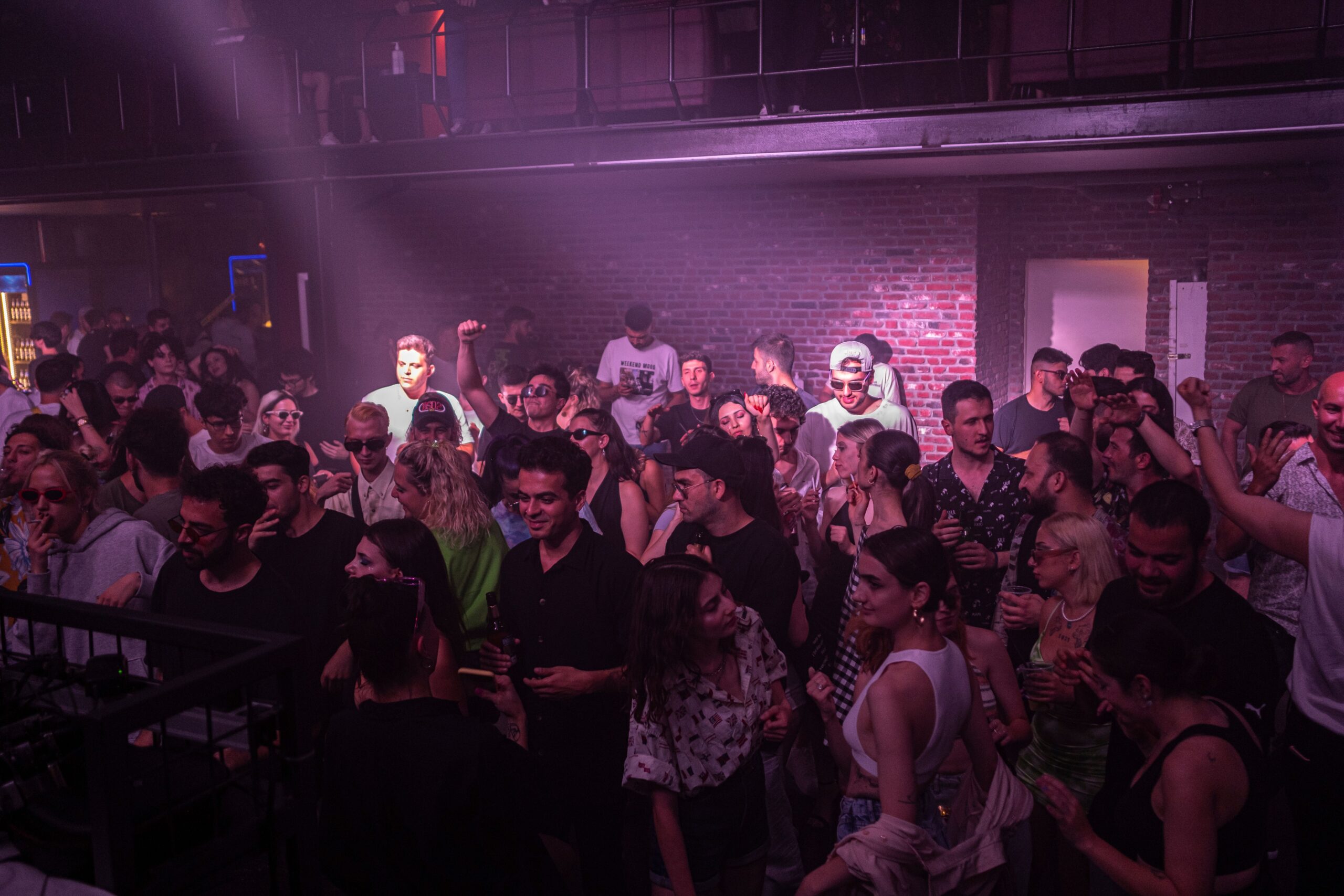
In a landmark moment for European nightlife culture, Germany is moving to formally recognise nightclubs as cultural venues rather than entertainment businesses, a legal shift that could significantly strengthen protections for clubs facing redevelopment pressure, rising rents and eviction.
Approved by the cabinet of German chancellor Friedrich Merz, the proposed planning reform would reclassify nightclubs as spaces that provide “cultural and artistic value”, removing them from outdated zoning categories that historically grouped clubs alongside casinos, brothels and strip venues.
If passed by both the Bundestag and Bundesrat, the legislation would mark one of the most significant political recognitions of club culture in recent European history.
From “Entertainment Venues” to Cultural Spaces
For decades, German planning laws treated music clubs as part of a broad “entertainment venue” category, often limiting where venues could operate and exposing them to legal vulnerability when residential or commercial redevelopment emerged nearby.
Under the new reforms, clubs would gain stronger protection against:
- Predatory real estate development
- Rent inflation and displacement
- Eviction pressures
- Restrictive zoning regulations
The legislation would also provide clubs with greater flexibility to operate in mixed-use and certain residential areas, reflecting the reality that nightlife has become deeply integrated into the cultural and economic fabric of modern cities.
The proposal follows years of lobbying from nightlife advocates, with Berlin first formally recognising clubs as cultural institutions in 2021.
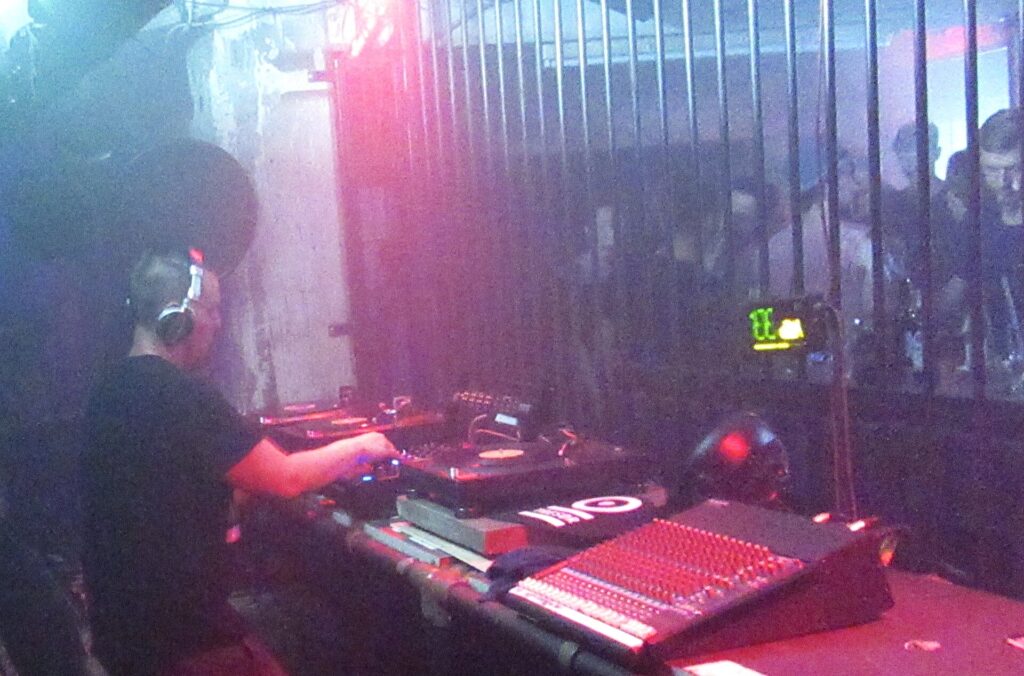
📸 : Photo Credits / Angie Linder (CC License). Tresor nightclub in Berlin
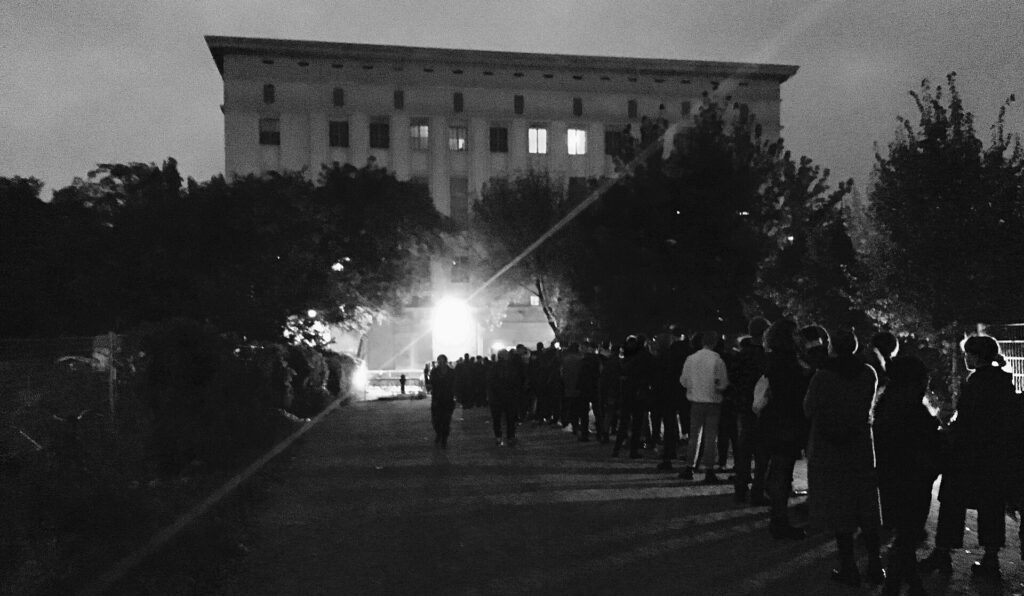
📸 : Photo Credits / Michael Mayer (CC License). Berghain nightclub in Berlin
A Fight Against “Clubsterben”
The reforms arrive during a prolonged period of uncertainty for Germany’s nightlife ecosystem, often described locally as “clubsterben” — literally, “club death.”
Across the past decade, numerous iconic venues have closed or faced existential threats due to redevelopment projects, rising operational costs and shifting urban economics.
Among the clubs associated with this wider crisis are:
- Watergate
- Renate
- SchwuZ
The issue has become so culturally significant that, in January, German broadcaster ARD Mediathek released a documentary titled Ausgetanzt? Berliner Clubs unter Druck (“Danced Out? Berlin Clubs Under Pressure”), examining the mounting pressures reshaping the city’s nightlife landscape.
Meanwhile, the berlinHistory app project began archiving the city’s closed clubs in 2022 effectively documenting a disappearing layer of Berlin’s cultural geography.
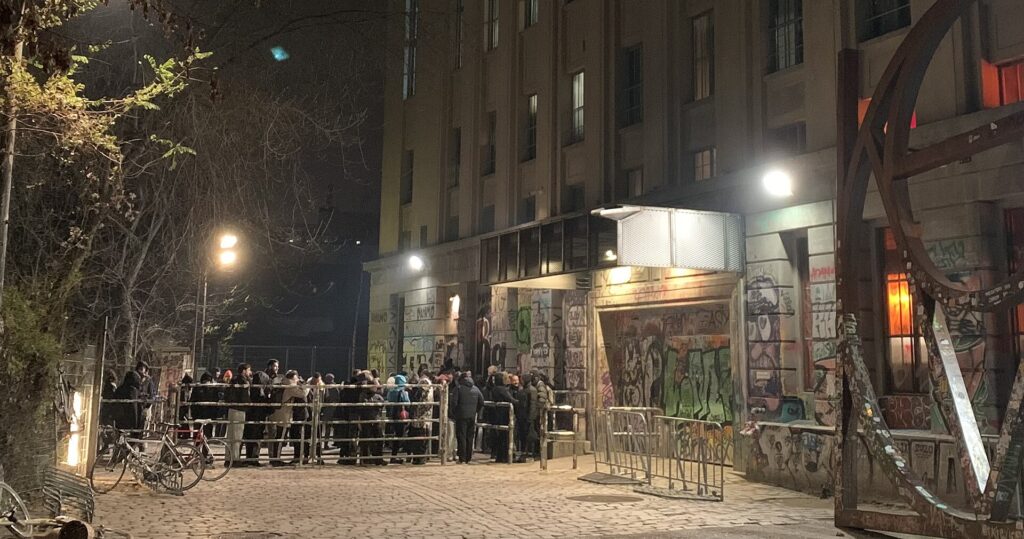
📸 : Photo Credits / Lear (CC License). Berghain nightclub in Berlin
Why This Matters Beyond Germany
The proposed reforms signal a broader philosophical shift: the growing recognition that clubs are not peripheral nightlife businesses, but cultural infrastructure.
That argument was reinforced internationally in March 2024, when Berlin techno culture was added to UNESCO’s Intangible Cultural Heritage list, acknowledging the genre and its club ecosystem as historically and culturally significant.
Nightlife advocates argue that clubs function less like commercial entertainment venues and more like theatres, galleries or community art spaces — curating artists, nurturing emerging talent and creating environments for collective cultural exchange.
As nightlife lobbyist and LiveKomm board member Marc Wohlrabe explained:
The club owners we represent operate more like a theatre: curating artists, nurture emerging talent, and deserve instead to be designated as cultural centres alongside opera, theatre, and high culture.
Read the full report here.
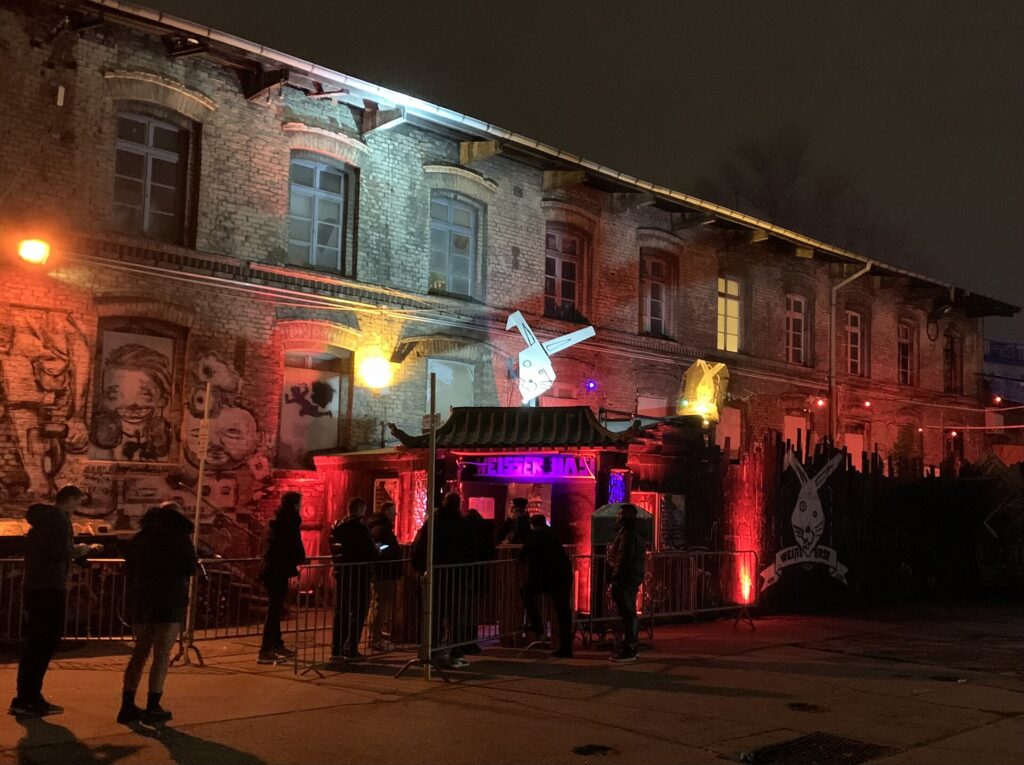
📸 : Photo Credits / Lear (CC License). Weisser Hase nightclub in Berlin
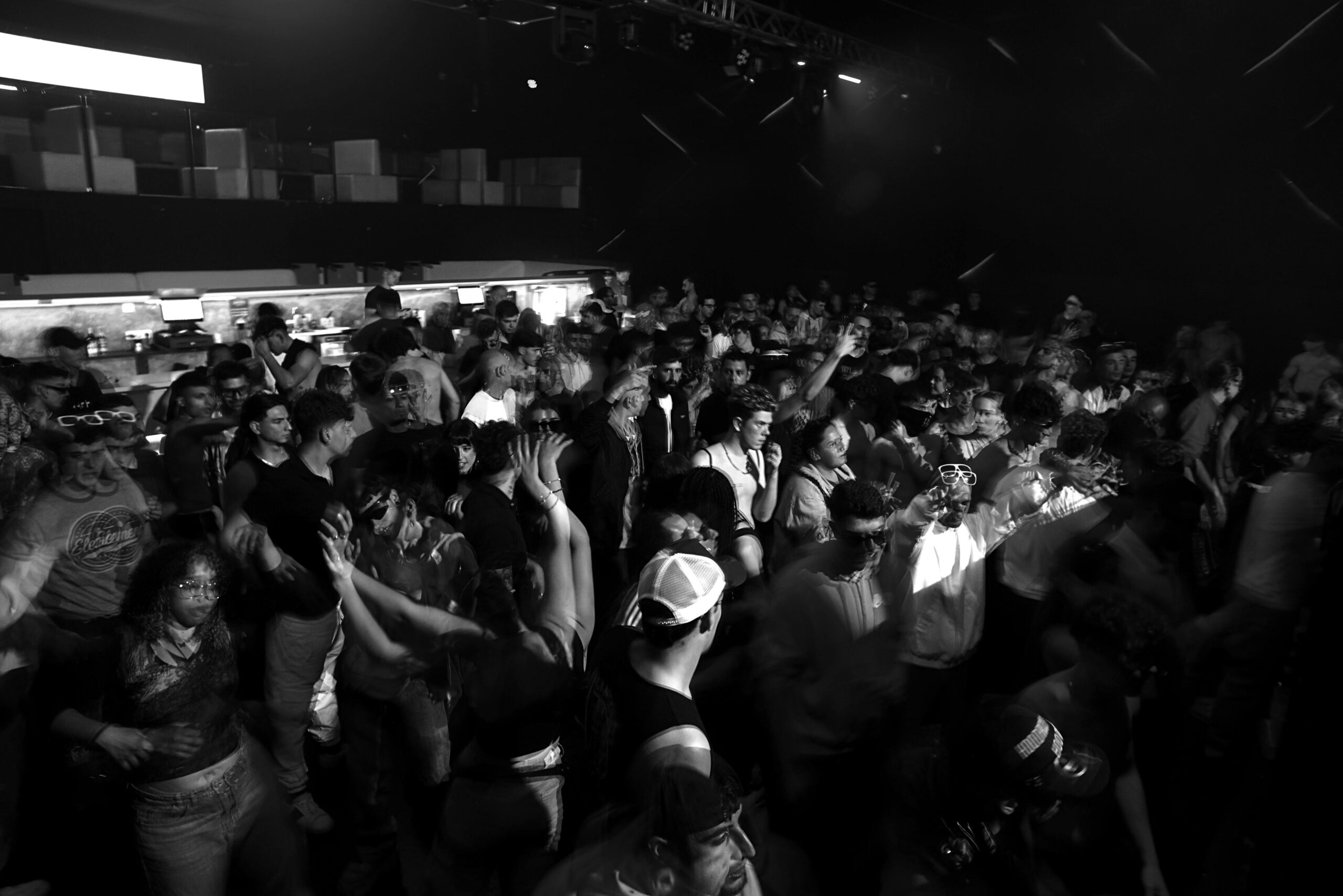
📸 : Photo Credits / Alexis Herrmann (CCO License)
The Politics of the Dancefloor
Beyond zoning policy, the debate reflects a deeper question facing many global cities:
What role should nightlife play in urban identity?
As real estate pressure intensifies worldwide, electronic music communities increasingly find themselves defending clubs not simply as party spaces, but as sites of memory, creativity and social connection.
Germany’s proposed reforms suggest that policymakers are beginning to understand what club culture has argued for decades:
that dancefloors are part of cultural history, not obstacles to development.
And if the legislation passes, it could become a blueprint for nightlife protection far beyond Berlin.
📷 : Cover Photo Credits / Tolga Aslantürk (CCO License)
📷 : Additional Photo Credits / Angie Linder (CC License), Michael Mayer (CC License), Lear (CC License), Alexis Herrmann (CCO License)