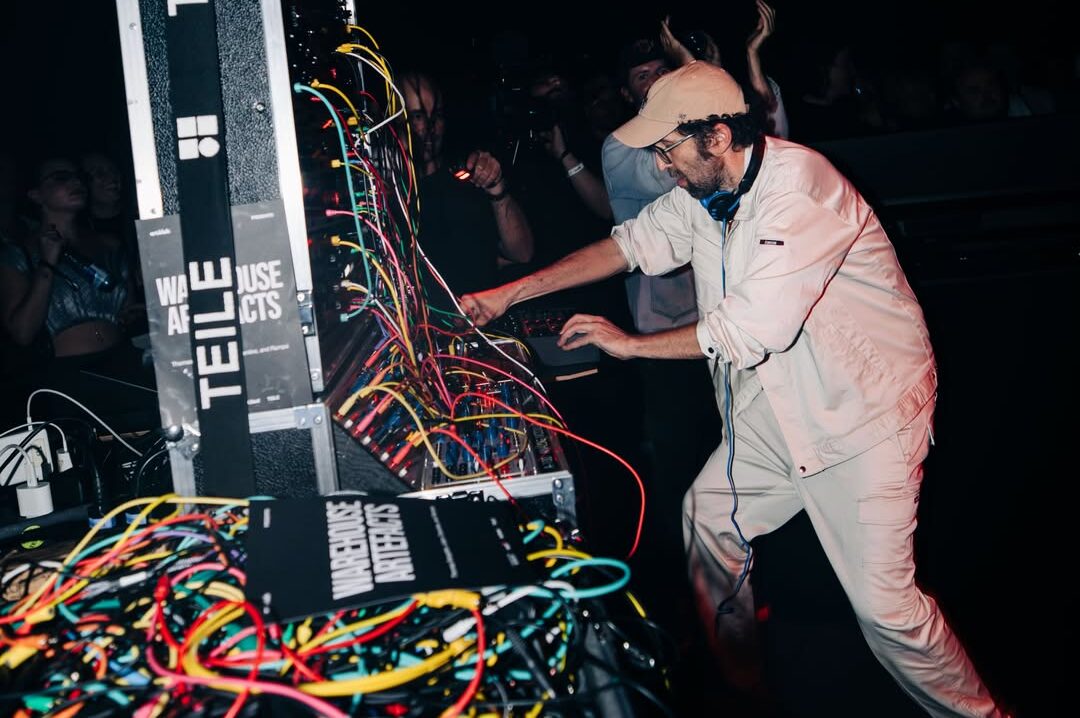
For one night in Basel, one of electronic music’s most influential artists returned to the DJ booth under conditions rarely seen in today’s festival culture: no phones, no filming, no distractions.
Over the weekend, Thomas Bangalter made a surprise appearance during an exclusive event held as part of Art Basel 2026, joining Rampa for an unannounced performance that quickly became one of the weekend’s most talked-about moments.
Presented by art.klub at Messe Basel, the immersive event was initially promoted around a DJ set from Rampa, with organisers teasing only a mysterious “special guest.” That guest was ultimately revealed as Thomas Bangalter, whose unexpected appearance delighted those fortunate enough to be inside the room.
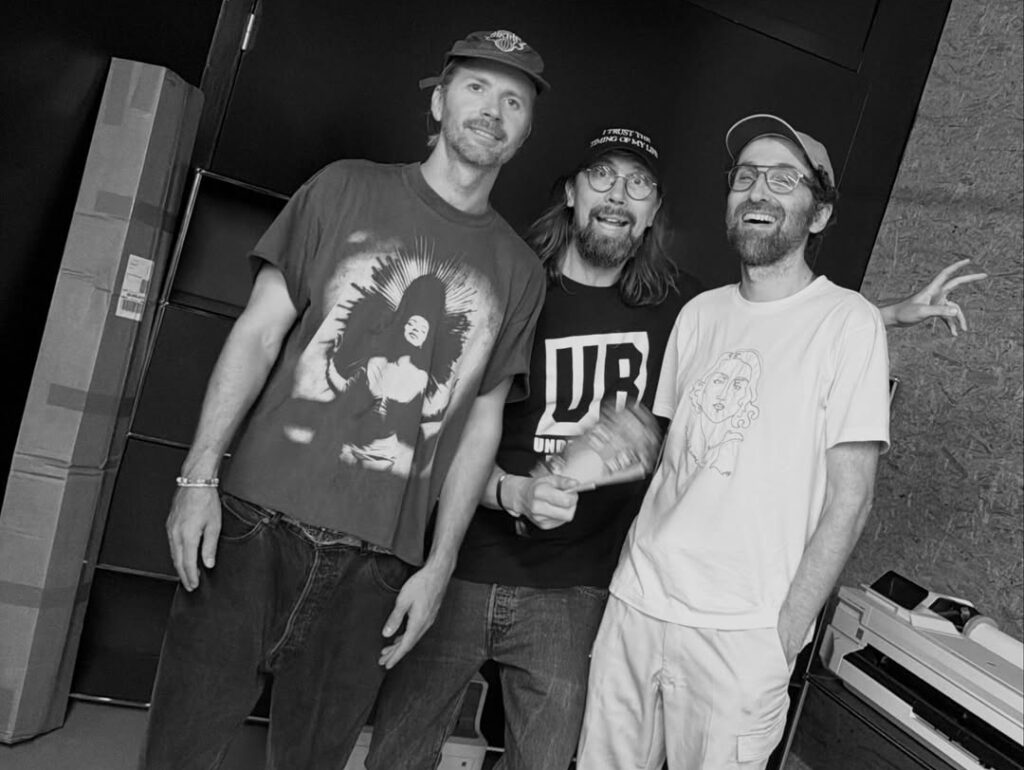
Courtesy of Courtesy of Pedro Winter (via Instagram)
A Performance Designed to Be Experienced, Not Recorded
The evening also marked another edition of “no phones,” the concept developed by London party series Lost, where guests place their mobile devices inside sealed magnetic pouches before entering the venue.
Rather than documenting the night through screens, attendees experienced a performance centred entirely on sound, atmosphere and presence.
Following the event, Lost shared a teaser featuring the locked phone pouches accompanied by Daft Punk’s “Digital Love”, reinforcing its ongoing mission to remove digital distractions from the dancefloor.
The organisers later stated:
Following ‘no phones’ as part of Lost in London, we believe in making all cultural spaces phone-free.
In an era dominated by livestreams and social media clips, the philosophy felt particularly fitting for an artist who has long cultivated mystery over visibility.
An Analogue Journeytory
When Thomas Bangalter finally stepped behind the booth, it quickly became clear that this was far from a conventional DJ set.
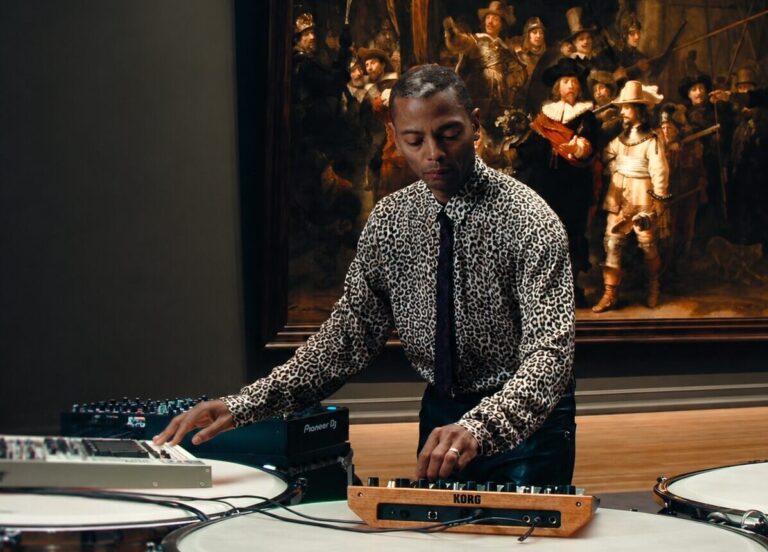
Videos released after the event revealed Thomas Bangalter performing on a custom modular setup, combining drum machines, analogue synthesizers and hardware sequencing rather than relying solely on digital DJ equipment.
The performance reflected the producer’s longstanding fascination with analogue instruments, live experimentation and sound design, an approach that has increasingly defined his work since Daft Punk concluded its remarkable journey in 2021.
Running from 6pm until 11pm, the event blurred the boundaries between club culture, live electronic performance and contemporary art, perfectly matching the creative spirit of Art Basel.
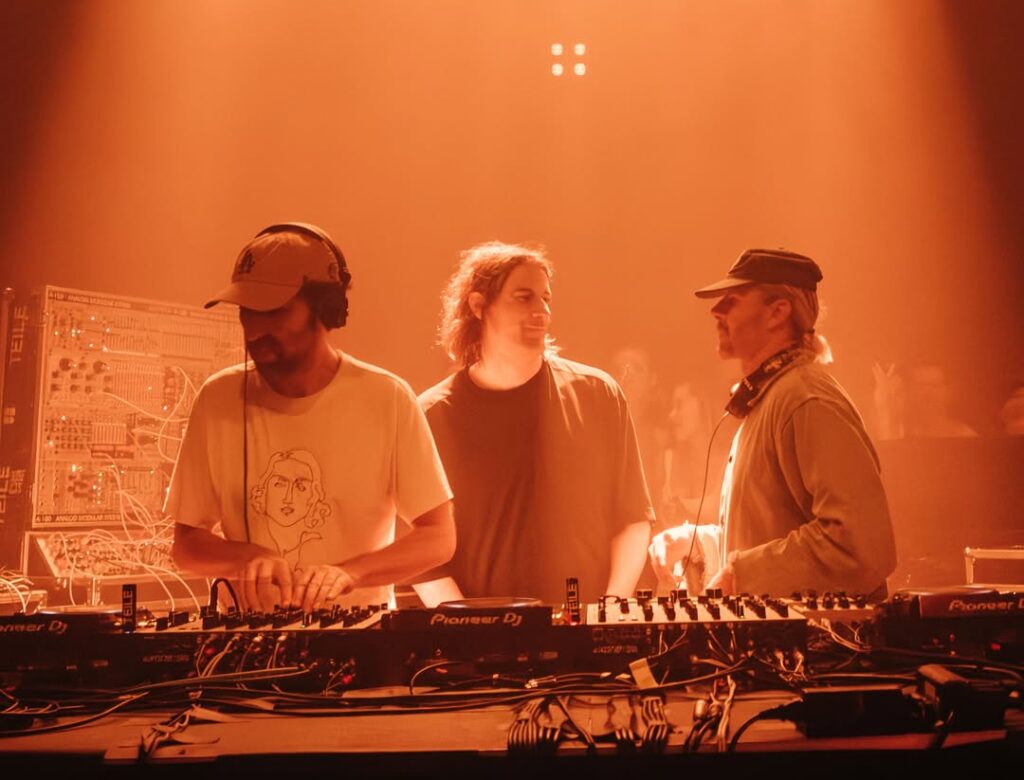
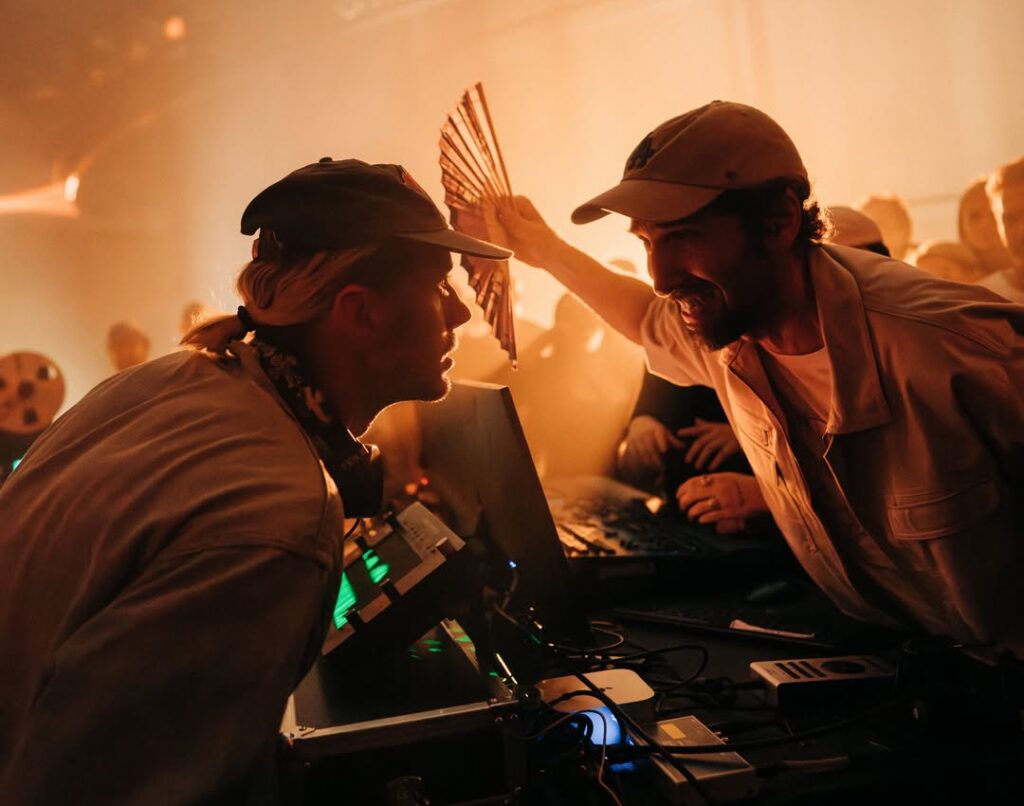
Thomas Bangalter: From Daft Punk Visionary to Solo Explorer
Few artists have transformed electronic music as profoundly as Thomas Bangalter.
As one half of Daft Punk, alongside Guy-Manuel de Homem-Christo, Thomas Bangalter helped redefine what electronic music could become. Through landmark albums including Homework, Discovery, Human After All and the Grammy-winning Random Access Memories, Daft Punk bridged underground French house with mainstream culture while pioneering new standards in production, live performance and visual storytelling.
Their influence extended far beyond music. The robotic personas, cinematic world-building and groundbreaking live shows reshaped how audiences viewed electronic artists, inspiring generations of producers across house, techno, EDM and pop. Many of today’s largest audiovisual performances owe part of their DNA to ideas first explored by Daft Punk.
Since the duo’s split, Thomas Bangalter has deliberately chosen a different artistic path. Rather than revisiting the past, he has embraced orchestral composition, ballet scores, experimental electronic performance and multidisciplinary collaborations. Recent projects including Chiroptera, Mirage – Ballet for 16 Dancers, and collaborations with visual artists have demonstrated an artist continuing to evolve rather than relying on nostalgia.
Even outside Daft Punk, Thomas Bangalter remains one of electronic music’s most respected innovators, constantly exploring new ways to connect technology, composition and live performance.
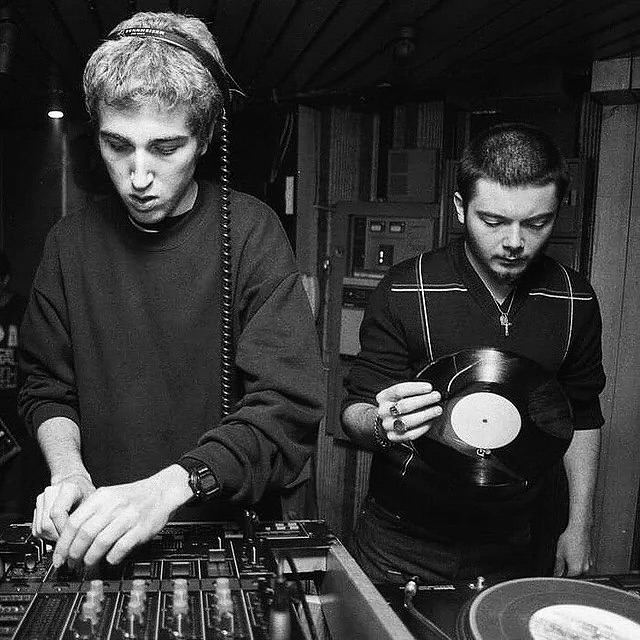
Photo Credits / Courtesy of @back2ba6ix (via Instagram)
The Return of Presence
Thomas Bangalter’s surprise appearance carried significance beyond the music itself.
At a time when dancefloors are increasingly viewed through smartphone screens, the combination of an unannounced set and a strict no-phone policy created something increasingly rare: a performance experienced almost entirely in the moment.
Only after the lights came up did short clips begin circulating online, offering a glimpse into a night intentionally designed to resist the constant documentation that defines modern nightlife.
For an artist whose career has often balanced mystery with innovation, the setting felt entirely appropriate.
Sometimes, the most memorable performances are the ones that cannot be fully captured.
📷 : Cover Photo Credits / Courtesy of Thomas Bangalter, Rampa Keinemusik and Julian Charrière
📷 : Additional Photo Credits / Courtesy of Thomas Bangalter, Rampa Keinemusik and Julian Charrière,
Courtesy of Pedro Winter, Courtesy of @back2ba6ix (via Instagram)