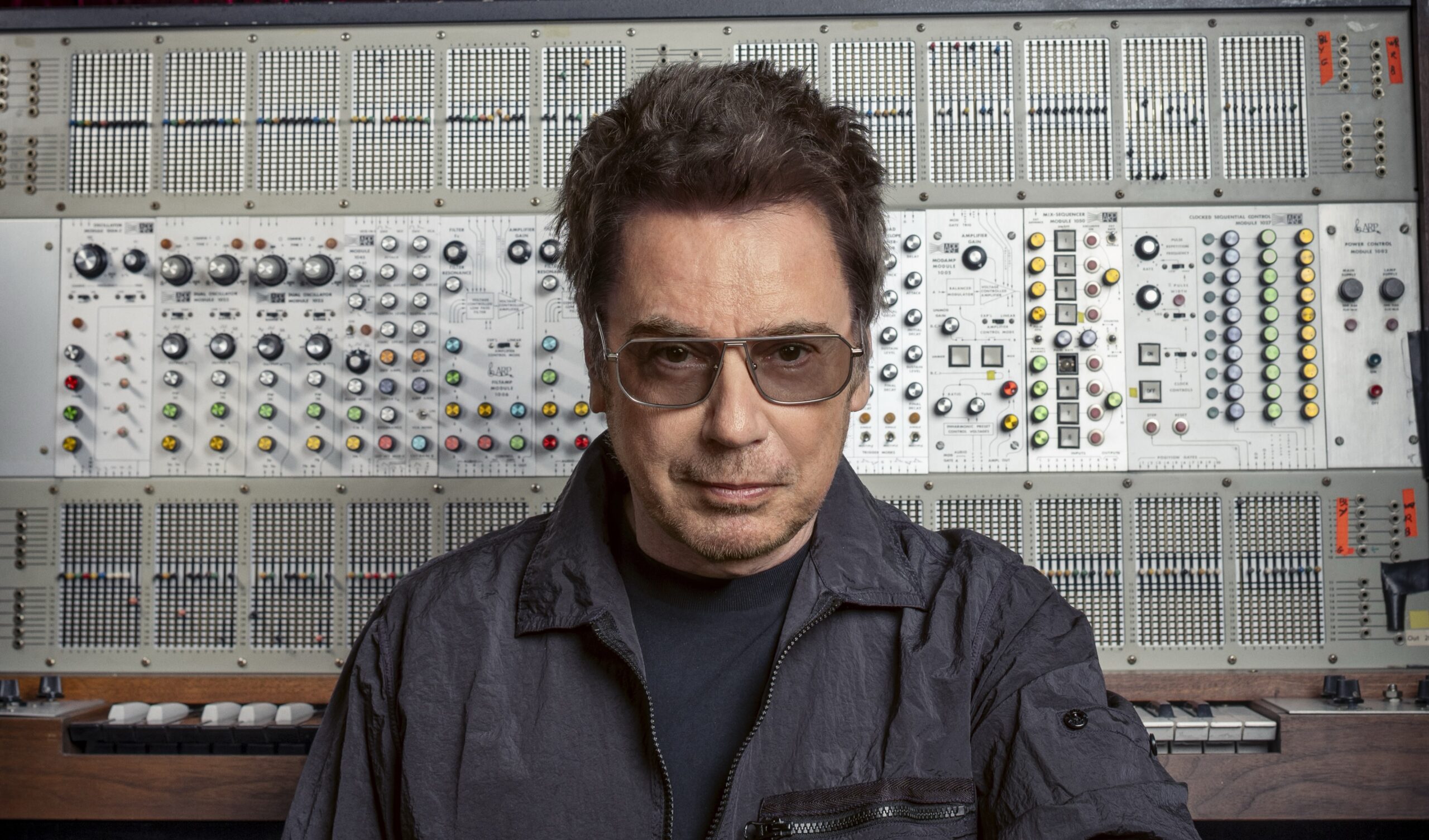
Fifty years after creating one of the most influential albums in electronic music history, Jean-Michel Jarre is opening its sonic universe to a new generation. To celebrate the anniversary of his groundbreaking 1976 album Oxygène, the French electronic music pioneer has teamed up with BMG to launch Oxygene Reimagined, an interactive platform that allows fans to reinterpret his music using artificial intelligence.
The project offers a new perspective on the relationship between electronic music, technology and creativity. Rather than simply revisiting the original recordings through a conventional anniversary reissue, Jean-Michel Jarre is inviting listeners to become participants in the creative process.
Through a dedicated online platform, users can describe the musical atmosphere they want to create, allowing artificial intelligence to generate a new interpretation using elements from the original recordings of Oxygène Part II.
For an artist who has spent five decades exploring the possibilities of electronic instruments and emerging technologies, the initiative represents a continuation of a lifelong fascination with the future of music.
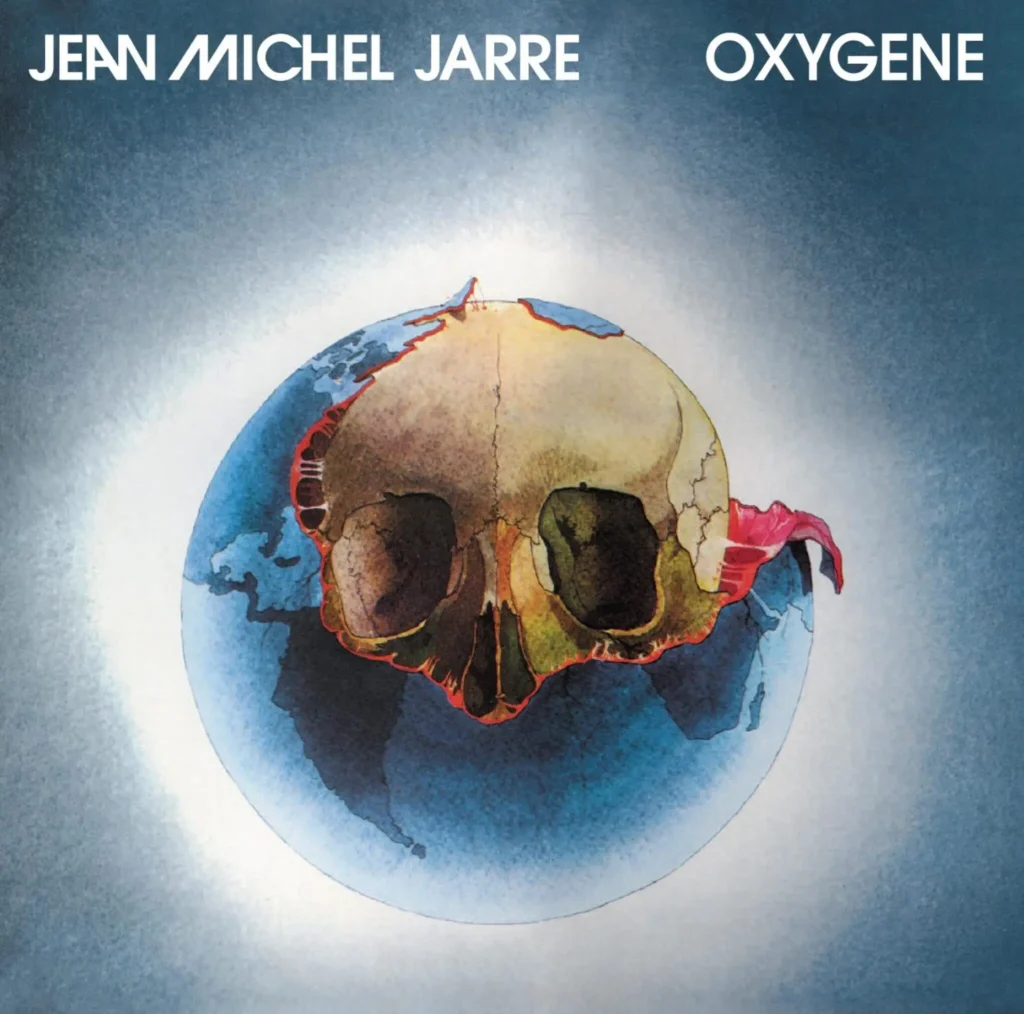
Oxygène: The Album That Helped Redefine Electronic Music
Released in 1976, Oxygène arrived at a time when electronic music was still largely associated with experimental studios, avant garde composers and a relatively small community of synthesizer enthusiasts.
Jean-Michel Jarre approached the genre differently.
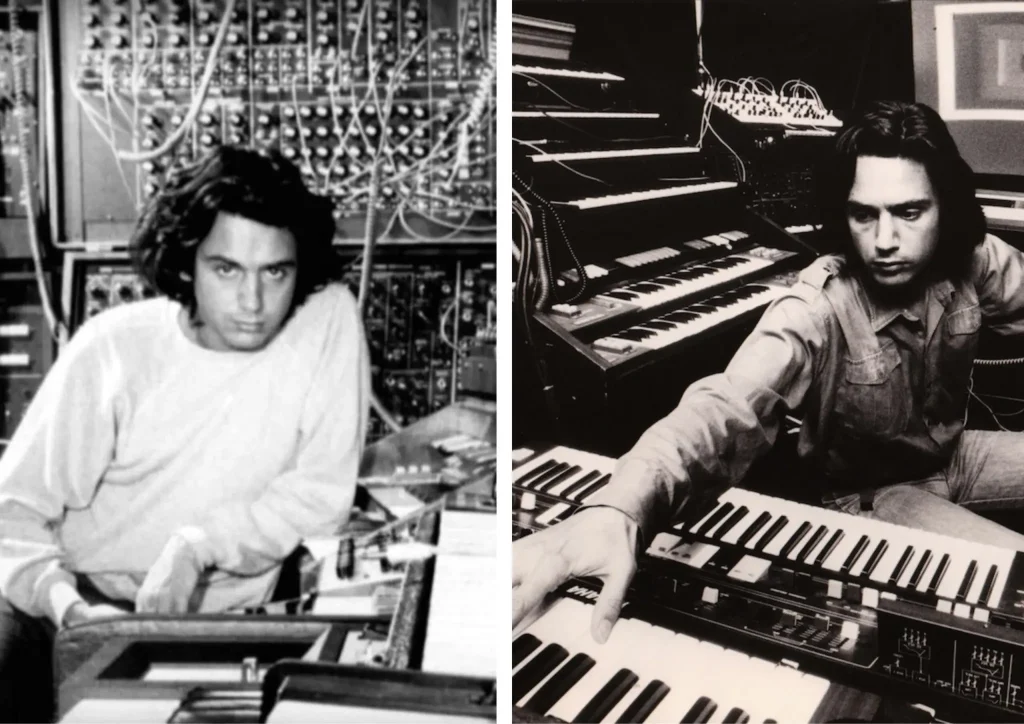
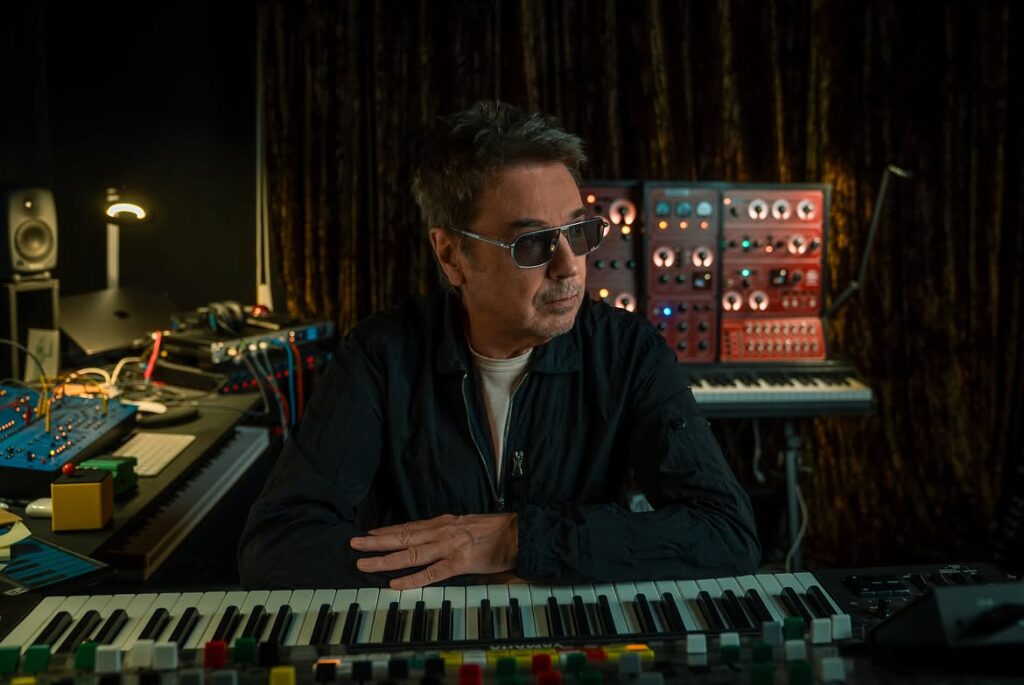
Working from a makeshift studio in his Paris apartment, in a room that had previously served as his kitchen, the French musician created the album using a modest collection of analogue synthesizers, an organ, a rhythm machine and an eight track tape recorder.
There was no traditional band, no vocalist and no conventional pop song structure. Instead, the album unfolded across six interconnected instrumental compositions, combining atmospheric synthesizer textures, hypnotic sequences and melodic passages.
The result was a record that made electronic music accessible to a much wider audience without abandoning its experimental foundations.
Oxygène became an international commercial success, reaching number two on the UK Albums Chart and establishing Jean-Michel Jarre as one of the leading figures in a new era of electronic composition.
Its influence extended across ambient music, synth pop, trance and the melodic traditions that would later become central to contemporary electronic dance music.
For many producers, the album demonstrated that synthesizers could do more than imitate conventional instruments. They could create entirely new musical environments.
From a Paris Kitchen to Some of the World’s Largest Concerts
The success of Oxygène marked the beginning of an extraordinary international career.
Born in Lyon in 1948, Jean-Michel Jarre studied electronic music and electroacoustic composition, developing an interest in the relationship between sound, technology and visual expression.
His subsequent albums, including Équinoxe in 1978 and Magnetic Fields in 1981, further established his distinctive approach to electronic composition.
However, Jean-Michel Jarre’s influence was not limited to recorded music.
He became a pioneer of spectacular outdoor concerts, transforming public spaces into enormous audiovisual environments combining electronic music, architectural projections, lasers and elaborate lighting installations.
His 1990 concert at La Défense in Paris attracted an estimated audience of approximately two million people, while his 1997 performance in Moscow reportedly drew around 3.5 million spectators.
These productions helped establish a model for the large scale electronic music performances that are now familiar at international festivals and major live events.
Long before electronic music became a dominant force in global festival culture, Jean-Michel Jarre was demonstrating its ability to captivate enormous audiences through the combination of sound, technology and visual storytelling.The message resonated with the collective spirit that has defined Carl Cox’s relationship with electronic music. Despite becoming one of the world’s most celebrated DJs, he has remained closely associated with the communal values of club culture.

Oxygene Reimagined: Fans Become Part of the Creative Process
The new anniversary initiative, developed with BMG, brings the original recordings of Oxygène into an interactive digital environment.
Through Oxygene Reimagined, fans can create their own musical interpretation of Oxygène Part II by entering a simple written description of the sound they would like to hear.
The platform uses artificial intelligence to process the request and generate a new track incorporating elements of Jean-Michel Jarre’s original recordings alongside newly generated drums, basslines and synthesizer textures.
According to the project announcement, the process takes approximately five minutes.
Users do not need traditional production equipment or advanced knowledge of music software. The experience is designed around a simple creative idea: describing a sound in words and allowing technology to translate that description into music.
The platform is available free of charge at oxygene-reimagined.com
By opening the creative process to listeners, the project introduces a different way of engaging with a classic recording, one that places interpretation and experimentation at the centre of the experience.
Jean-Michel Jarre and the Concept of Augmented Imagination
Artificial intelligence has become one of the most debated subjects in contemporary electronic music.
Questions surrounding authorship, originality, copyright and the future of human creativity have created significant divisions among artists and industry professionals.
Jean-Michel Jarre approaches the technology through a concept he describes as Augmented Imagination.
Rather than presenting artificial intelligence as a replacement for musicians, he views it as another instrument capable of expanding creative possibilities.
What matters is not the tool itself, but what you choose to do with it,
Jean-Michel Jarre explains.
The philosophy reflects an important continuity in his career.
In the 1970s, synthesizers and electronic recording equipment offered musicians possibilities that traditional instruments could not easily reproduce. Today, artificial intelligence introduces another set of creative tools, accompanied by new artistic and ethical questions.
The distinction is particularly relevant to Oxygene Reimagined. The project uses material from Jean-Michel Jarre’s own catalogue, placing the original artist at the centre of an authorised experiment in musical transformation.
It also raises a broader question for the electronic music community: how can emerging technologies expand creative participation while preserving the identity and rights of the musicians whose work provides the foundation?
Electronic Music Receives Recognition at the Highest Level
Carl Cox was among 1,182 individuals recognised in the 2026 King’s Birthday Honours List.
Another prominent figure from British dance music, Judge Jules, also received recognition, being appointed a Member of the Order of the British Empire (MBE) for his contributions to entertainment.
The inclusion of both DJs highlights the increasing acknowledgement of electronic music as an important part of Britain’s cultural heritage.
What began in warehouses, independent clubs and unconventional spaces has evolved into an international cultural movement with enormous influence on music, fashion, technology and nightlife.
Yet the significance of these honours extends beyond commercial success.
They recognise the contribution of artists who helped create communities, develop new musical identities and establish Britain as one of the world’s most influential centres for electronic music.
For generations of DJs and producers who built their careers outside traditional music institutions, this recognition carries particular historical weight.

Fifty Years Later, Oxygène Continues to Evolve
The 50th anniversary of Oxygène arrives at a moment when electronic music is undergoing another major technological transformation.
The instruments that once required specialised studios and considerable technical expertise have become accessible through laptops, software and digital production environments.
Artificial intelligence is now extending that accessibility even further, allowing users to experiment with musical ideas through natural language.
For Jean-Michel Jarre, whose career has consistently explored the intersection of art and technology, the anniversary offers an opportunity to connect the origins of modern electronic music with its possible future.
There is something particularly fitting about revisiting Oxygène through an interactive creative platform.
The original album was built around the exploration of unfamiliar sounds and new technological possibilities. Fifty years later, its recordings are becoming the foundation for another experiment, this time involving the audience directly.
Rather than treating Oxygène as a historical artefact, Oxygene Reimagined invites a new generation to interact with its musical DNA.
The result is an anniversary celebration that looks beyond the past, demonstrating how a landmark electronic album can continue to inspire new forms of creativity half a century after its release.
📸 : Cover Photos Credits / Courtesy of Jean-Michel Jarre
📸 : Additional Photo Credits / Courtesy of Jean-Michel Jarre