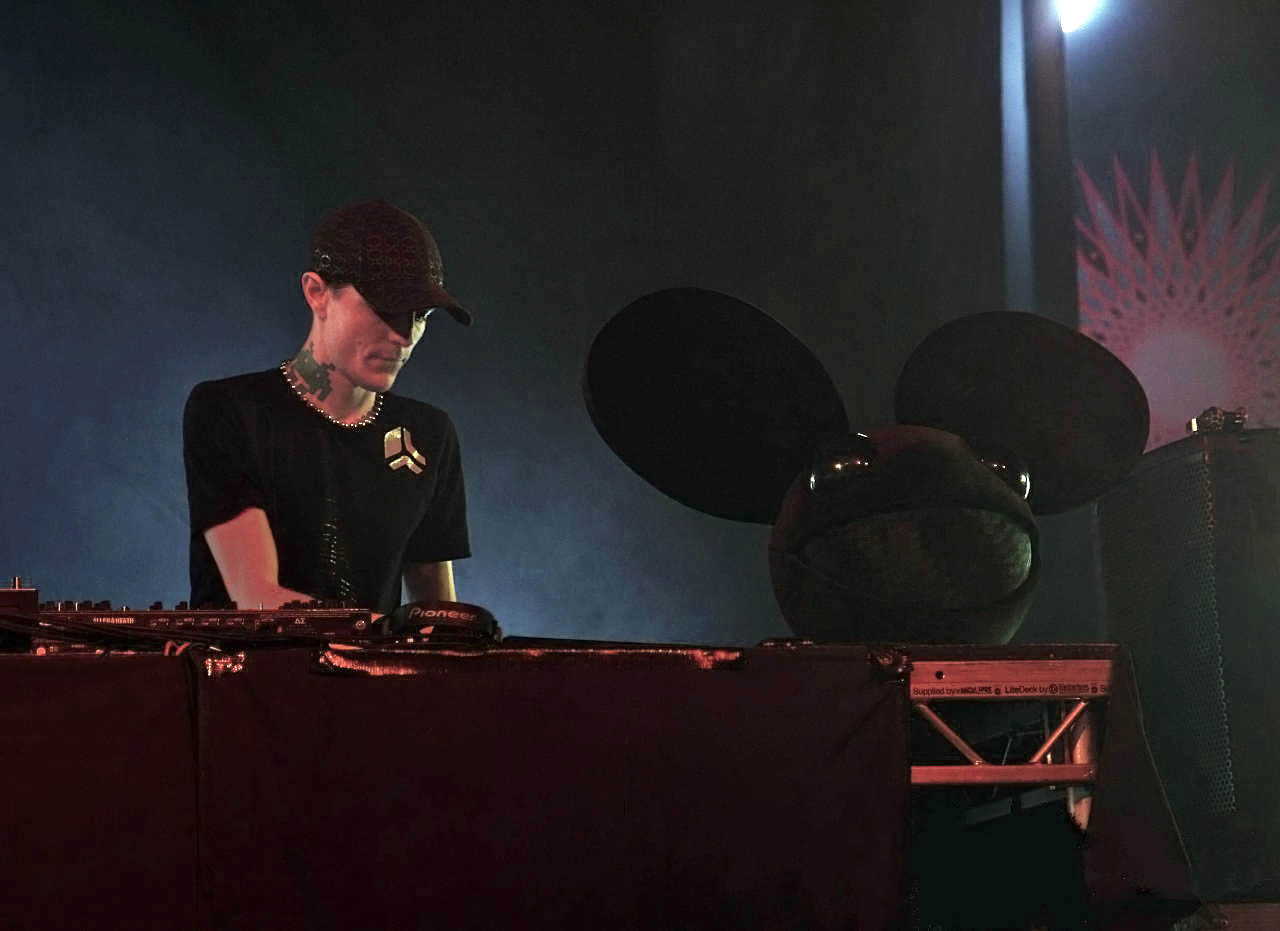
Artificial intelligence has already changed how music is produced, distributed, and discovered. But this week, the conversation shifted from creativity to consent. Electronic music heavyweight deadmau5 publicly called out the unauthorized use of an AI-generated deepfake video that showed a realistic version of himself promoting another DJ’s music — without his knowledge or approval.
What might have looked like a futuristic gimmick quickly turned into a wake-up call for the entire scene.
“Pretty damn convincing… and scary as f—”
The incident surfaced when deadmau5 discovered an Instagram story circulating online in which an AI-generated likeness of him appeared to endorse another artist. The voice, the posture, the visual cues — all convincingly synthetic.
His reaction was immediate and blunt:
“Woke up to some idiot DJ’s Instagram story that fully depicted me standing there promoting him and his music. Fully AI generated… pretty damn convincing. F—ing scary as f—.”
The quote spread quickly across music media and social platforms, not just because of the language, but because of the implication: if it can happen to a globally recognized artist, it can happen to anyone.
When innovation becomes impersonation
Electronic music has always embraced technology — from drum machines to DAWs to virtual synths. But deepfake AI sits in a different category. It doesn’t just assist creation; it replicates identity. And in a culture built on individuality and artistic persona, that line matters.
For decades, DJs and producers cultivated recognizable brands through sound, visuals, and presence. AI deepfakes threaten to detach those elements from the people who created them. The risk isn’t just misattribution — it’s erosion of trust between artists and audiences.
As deadmau5 pointed out, the concern isn’t only about one video; it’s about what happens when fans can no longer tell what’s real.
The legal grey zone catching up with culture and innovation
The controversy lands amid growing global debates around digital likeness rights and AI regulation. In several countries, proposed legislation aims to give individuals more control over how their face and voice are used in machine-generated content. For artists, this could mean new legal tools — but for now, enforcement often lags behind technology.
Electronic music is uniquely exposed here. The scene thrives online, in visual snippets, livestreams, and viral clips where authenticity and identity are core to fan connection. Deepfakes exploit that ecosystem directly.
What makes this moment particularly striking is the genre involved. Electronic music has always been the most tech-forward corner of the industry, often welcoming new tools faster than any other scene. Yet this incident shows a cultural pivot: the same community that celebrates innovation is now drawing boundaries around identity.
AI isn’t the villain. Misuse is. And the distinction is becoming crucial.
For producers experimenting with generative tools, the message isn’t to stop creating — it’s to respect authorship and consent. For platforms and fans, it’s a reminder that digital literacy now includes questioning what we see and hear.
The bigger picture
Deepfakes aren’t going away. If anything, they will become more realistic, more accessible, and more widespread. What this episode signals is that the electronic music world is entering a new phase — one where the challenge isn’t just pushing sonic boundaries, but protecting human presence inside a digital landscape.
As deadmau5’s reaction echoed across timelines, it crystallized a new reality for artists everywhere: in an era where anyone’s voice or face can be simulated, authenticity becomes the rarest currency on the dancefloor.
📷 : Cover Photos Credits / Deadmau5 live unmasked in Glastonbury in 2009, photo by Haydn Curtis CC License