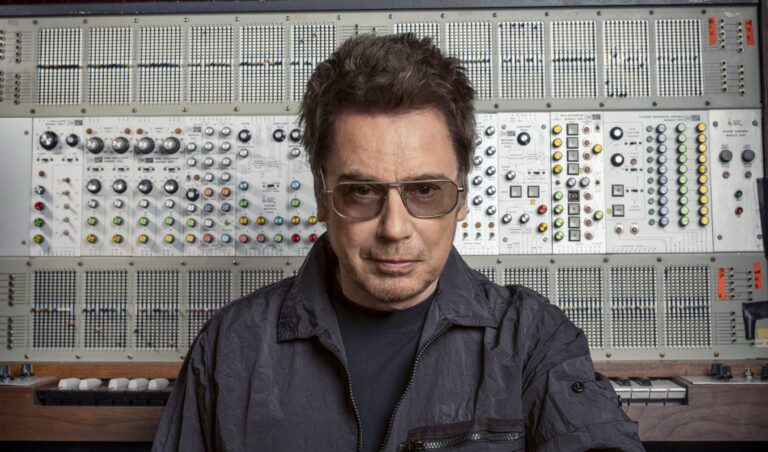

Detroit is preparing to pay tribute to one of the most influential figures in electronic music history. The family of Juan Atkins, widely recognised as the Godfather of Techno, has announced a public gathering on Sunday, November 22, 2026, inviting friends, fellow artists and fans to celebrate the life of the pioneering musician who helped create a genre that transformed global dance culture.
The memorial will take place at The Lincoln Factory, located at 1331 Holden Street in Detroit, from 2 PM until 2 AM. The gathering will offer an opportunity for the electronic music community to come together in the city where Juan Atkins developed the futuristic sound that would eventually become known as Detroit techno.
Announcing the event on Instagram, the family extended an open invitation to everyone whose life had been touched by his music.
All are welcome. Please celebrate his life and work with us,
the family wrote.
The gathering follows the death of Juan Atkins on November 1, 2026, at the age of 64, a loss that has deeply affected the international electronic music community.

Detroit Comes Together to Honour a Musical Pioneer
The decision to hold the memorial in Detroit carries particular significance.
More than simply the city where Juan Atkins established his career, Detroit was the birthplace of the musical movement he helped create alongside fellow pioneers Derrick May and Kevin Saunderson.
The three artists, often referred to as the Belleville Three, played a foundational role in developing Detroit techno during the early 1980s, combining European electronic influences with American funk, electro and the distinctive cultural atmosphere of their hometown.
The upcoming gathering will bring together family members, friends, musicians and admirers to reflect on the life of an artist whose influence extends across generations.
With the event open to the public, it will also provide an opportunity for the wider community to recognise the importance of Juan Atkins beyond his recordings.
For Detroit, the memorial represents a moment to honour an artist who helped establish the city’s identity as one of the most important centres of electronic music innovation.

Juan Atkins: The Visionary Who Helped Invent Techno
Few musicians can claim to have contributed so directly to the creation of an entire genre.
Born in Detroit in 1962, Juan Atkins became fascinated by electronic instruments, synthesizers and futuristic sounds during his teenage years.
Influenced by artists including Kraftwerk, Parliament-Funkadelic and electronic music broadcast on Detroit radio, he began experimenting with drum machines and synthesizers at a time when these technologies were opening new possibilities for music production.
His early collaboration with Richard Davis under the name Cybotron proved particularly influential.
Their 1983 track Clear became a landmark recording in the development of electro and early techno, combining mechanical rhythms, synthetic basslines and futuristic themes.
The record helped establish a musical vocabulary that would influence generations of producers across electronic dance music, hip hop and experimental electronics.
Juan Atkins subsequently developed his solo project Model 500, releasing No UFO’s in 1985 through his Metroplex label.
The track is widely regarded as one of the foundational recordings of Detroit techno, introducing a stripped back electronic aesthetic that would become central to the genre’s identity.
Through Model 500 and Metroplex, Juan Atkins helped define a sound characterised by hypnotic rhythms, innovative synthesizer programming and a fascination with technology and the future.
His work was not simply about creating dancefloor records. It represented a new musical language that reflected Detroit’s industrial environment, African American musical traditions and the possibilities of electronic experimentation.
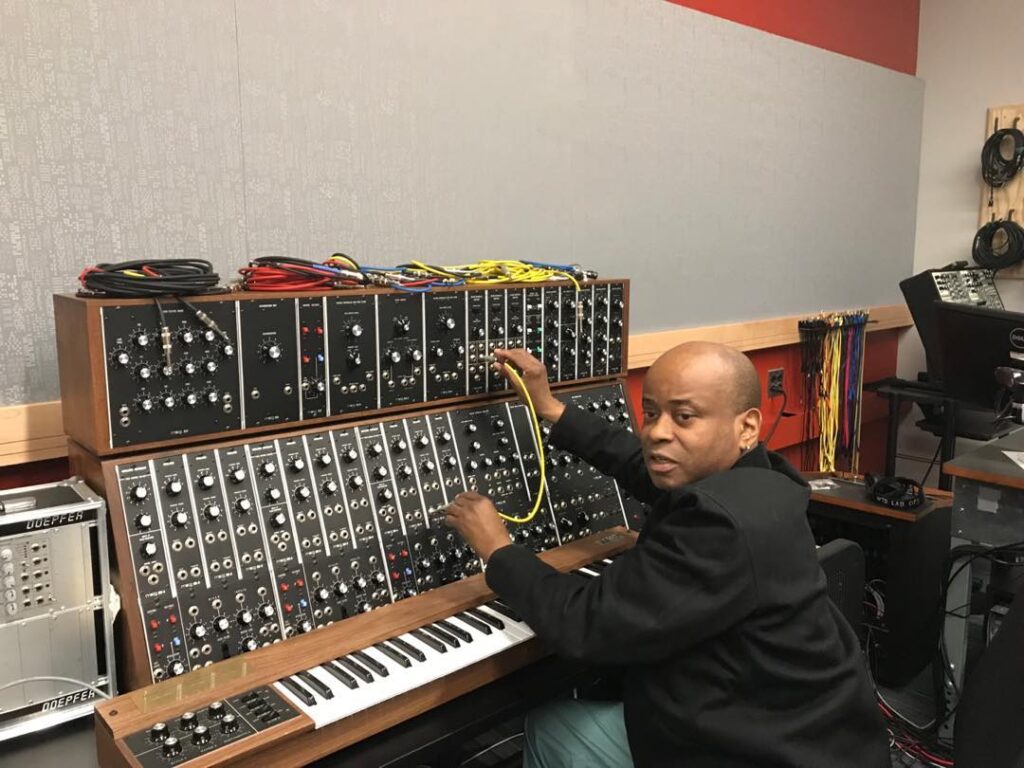
From Detroit’s Underground to a Global Cultural Movement
The musical ideas developed by Juan Atkins during the 1980s eventually travelled far beyond Detroit.
As techno gained recognition in Europe, particularly in cities such as Berlin, London and Amsterdam, the genre became the foundation for an international underground music movement.
The influence of Detroit techno could be heard in the development of European rave culture, the rise of dedicated techno clubs and the emergence of countless independent electronic record labels.
Juan Atkins remained a central figure in that evolution, continuing to record, perform and collaborate while maintaining a strong connection to the sound he helped establish.
His work with Model 500 and later projects demonstrated that techno could evolve without losing its original emphasis on rhythm, experimentation and futuristic imagination.
Alongside Derrick May and Kevin Saunderson, Juan Atkins also became an important cultural ambassador for Detroit, helping establish the city’s musical contributions within the wider history of electronic music.
Today, techno is performed at festivals, clubs and cultural institutions across the world, but its foundations remain deeply connected to the pioneering recordings that emerged from Detroit more than four decades ago.
The Death of Juan Atkins and the Loss Felt Across Electronic Music
Juan Atkins passed away on November 1, 2026, at the age of 64.
According to reports, the musician was found unresponsive in a hotel room in Mexico City on October 31 and was subsequently transported to hospital, where he was pronounced dead.
The circumstances surrounding his death have not been fully detailed in the information made public.
His passing represents the loss of one of electronic music’s foundational innovators, an artist whose contributions shaped not only a particular genre but the broader development of modern music production.
For generations of DJs and producers, Juan Atkins was more than an influential name in electronic music history. His recordings provided a blueprint for the creative possibilities of drum machines, synthesizers and sequencers.
The significance of his work can be heard across multiple styles, from electro and minimal techno to contemporary house and experimental electronic music.
His influence also extends beyond individual tracks, through the independent spirit of Metroplex and the idea that new musical movements can emerge from local communities without the support of traditional music industry institutions.

A Legacy That Will Continue Through Generations
The legacy of Juan Atkins is inseparable from the history of techno itself.
At a time when electronic instruments were still relatively unfamiliar within mainstream popular music, he recognised their potential to create entirely new rhythmic and sonic structures.
Through Cybotron, Model 500 and Metroplex, he helped establish the foundations of a genre that would become one of the most influential cultural exports of Detroit.
His pioneering work also contributed to a broader recognition of the African American origins of techno, an essential part of the genre’s history that is sometimes overlooked as electronic music continues to expand internationally.
The movement he helped create has since inspired countless artists, established new communities and transformed nightlife culture across continents.
Yet the enduring importance of Juan Atkins lies not only in the scale of techno’s global success, but also in the originality of his artistic vision.
He demonstrated that electronic music could be experimental, futuristic and deeply connected to the social and cultural identity of the place where it was created.
The public gathering in Detroit on November 22 will therefore be more than a farewell to a legendary musician.
It will be an opportunity to celebrate the ideas, sounds and cultural movement that Juan Atkins helped bring into existence.
For the generations who discovered electronic music through the rhythms of Detroit techno, his influence will remain an essential part of the genre’s identity.
The public memorial for Juan Atkins will take place on Sunday, November 22, 2026, at The Lincoln Factory, 1331 Holden Street, Detroit, from 2 PM to 2 AM. The gathering is open to everyone wishing to honour his life and musical legacy.
📸 : Cover Photos Credits / Courtesy of Juan Atkins
📸 : Additional Photo Credits / Courtesy of Juan Atkins