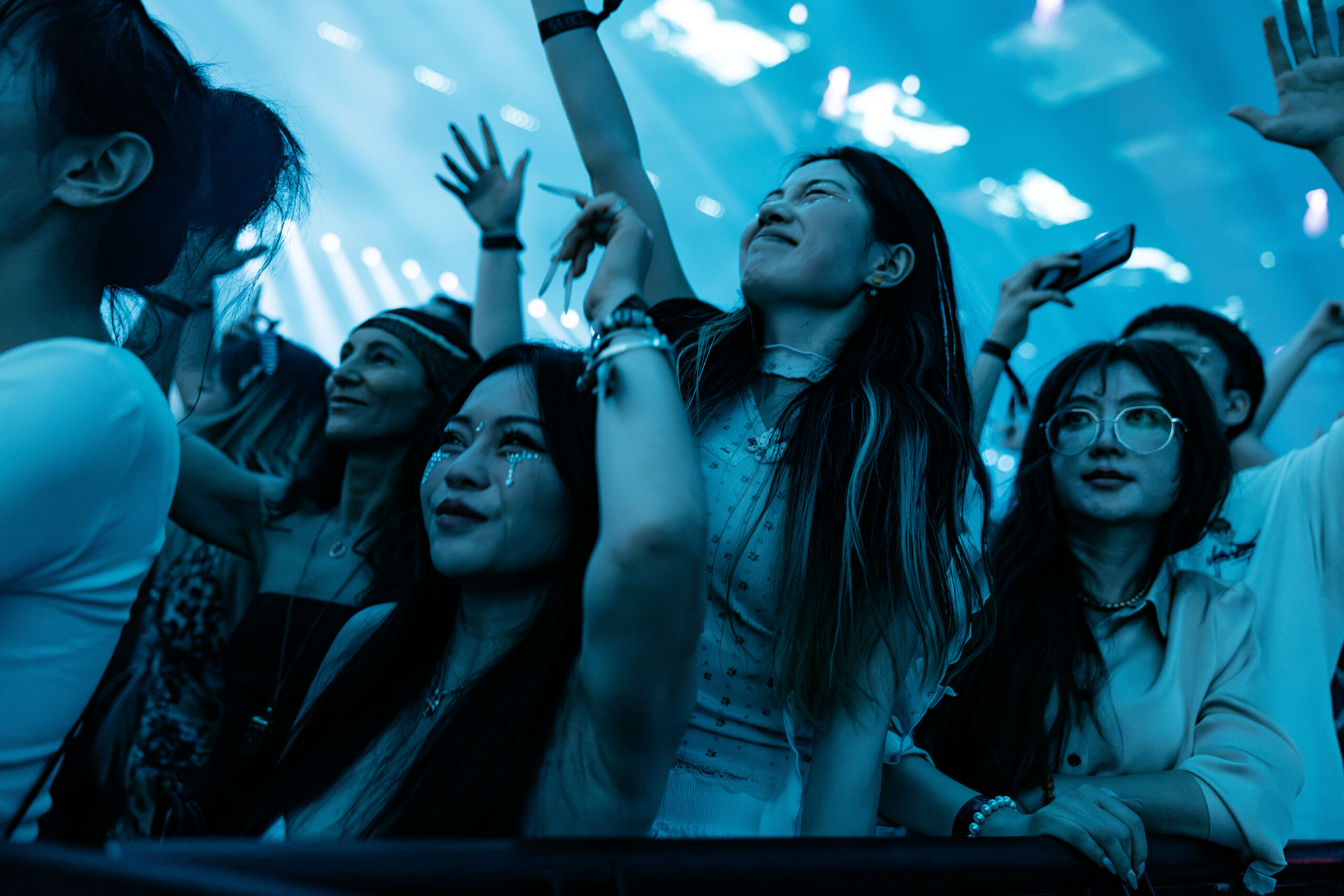
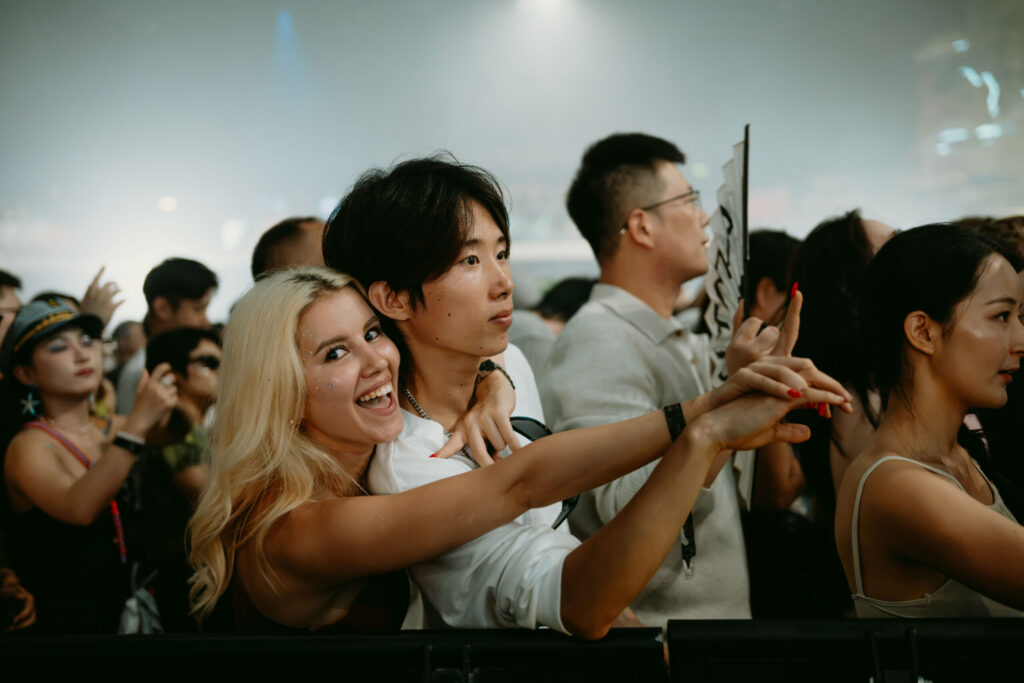
Tomorrowland has completed the second edition of The Magic of Tomorrowland in China, transforming Shanghai’s Hero Dome into an immersive electronic music environment for two sold out nights.
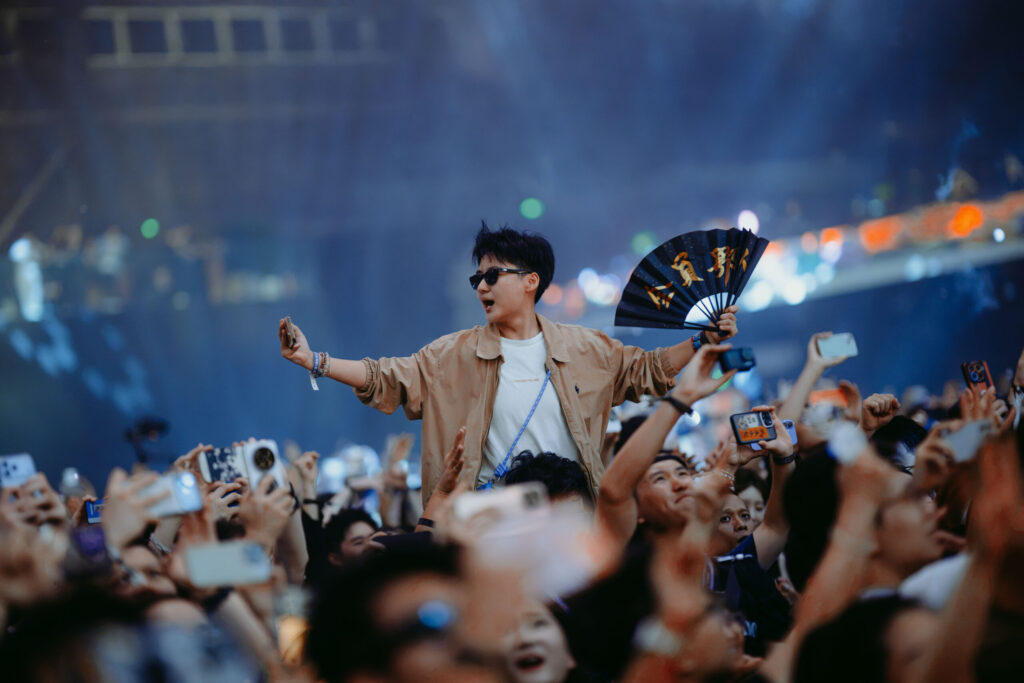
Taking place at INS SEA, a newly developed waterfront destination in Shanghai’s western Huangpu district, the event brought Tomorrowland’s festival concept indoors through a combination of electronic music, large scale production, technology, fashion, gastronomy and locally developed creative elements.
Presented in partnership with Hero Esports, INS LAND and Budweiser, the festival placed international artists including Tiësto, Axwell, Lost Frequencies, ARTBAT, R3HAB, Miss Monique and Alison Wonderland alongside Chinese talent, reflecting Tomorrowland’s growing relationship with China’s electronic music community.
Tomorrowland Builds a New World Inside Hero Dome
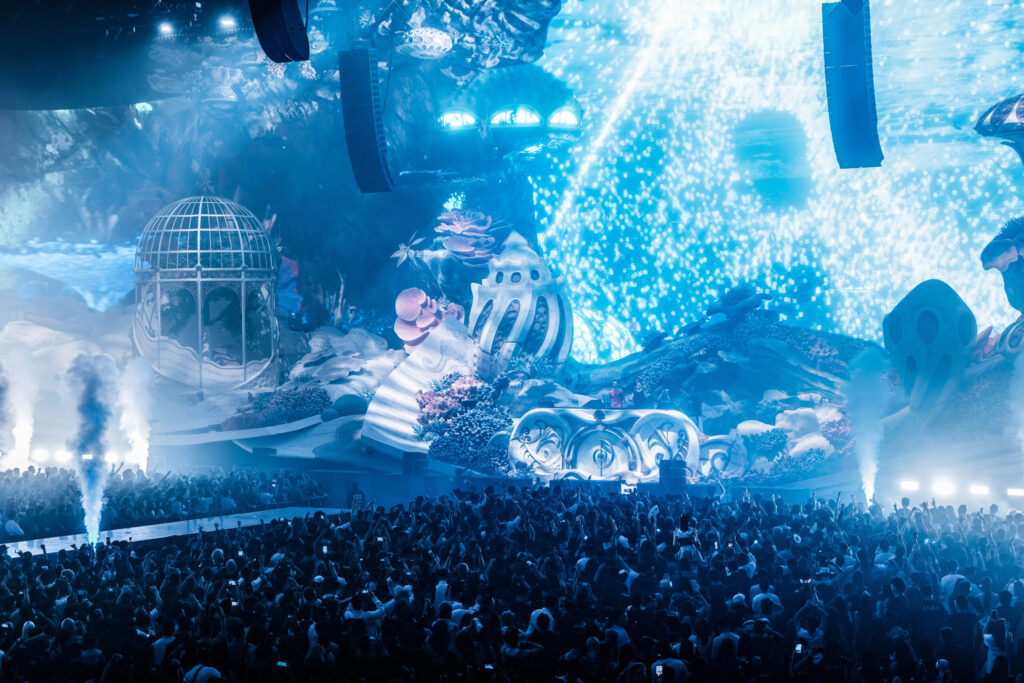
Rather than attempting to recreate one of Tomorrowland’s enormous outdoor festival environments, the Shanghai edition adapted the concept specifically for Hero Dome.
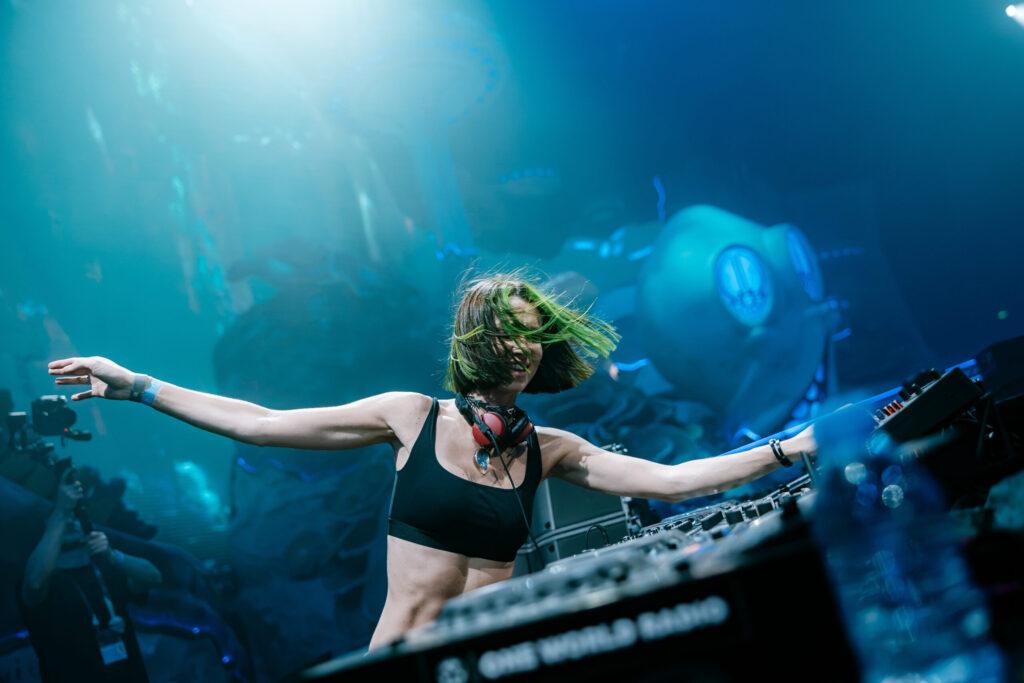
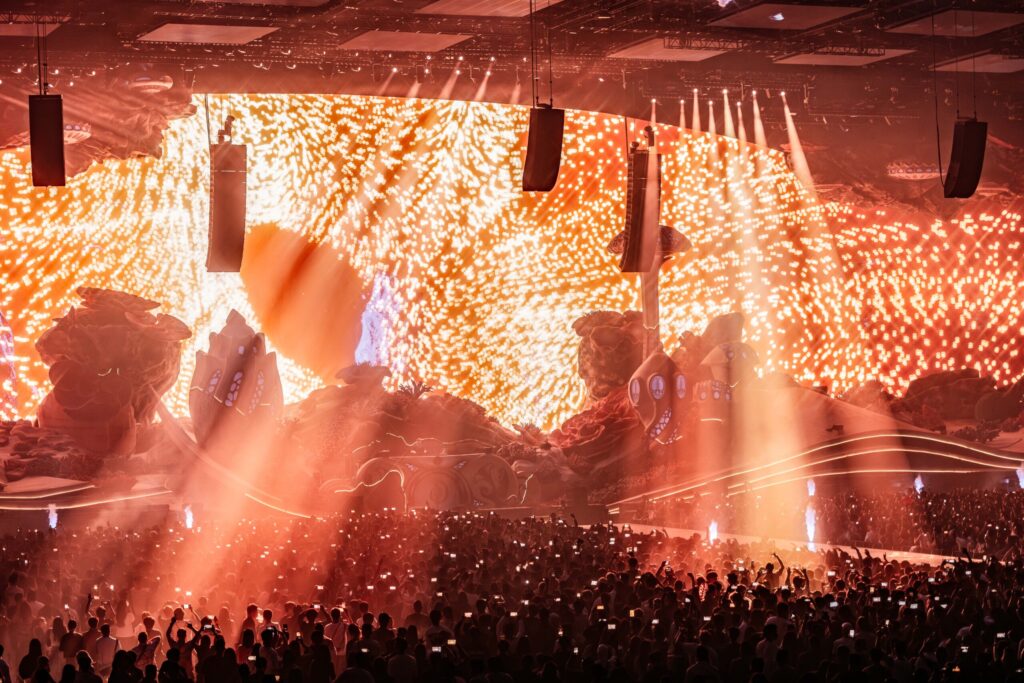
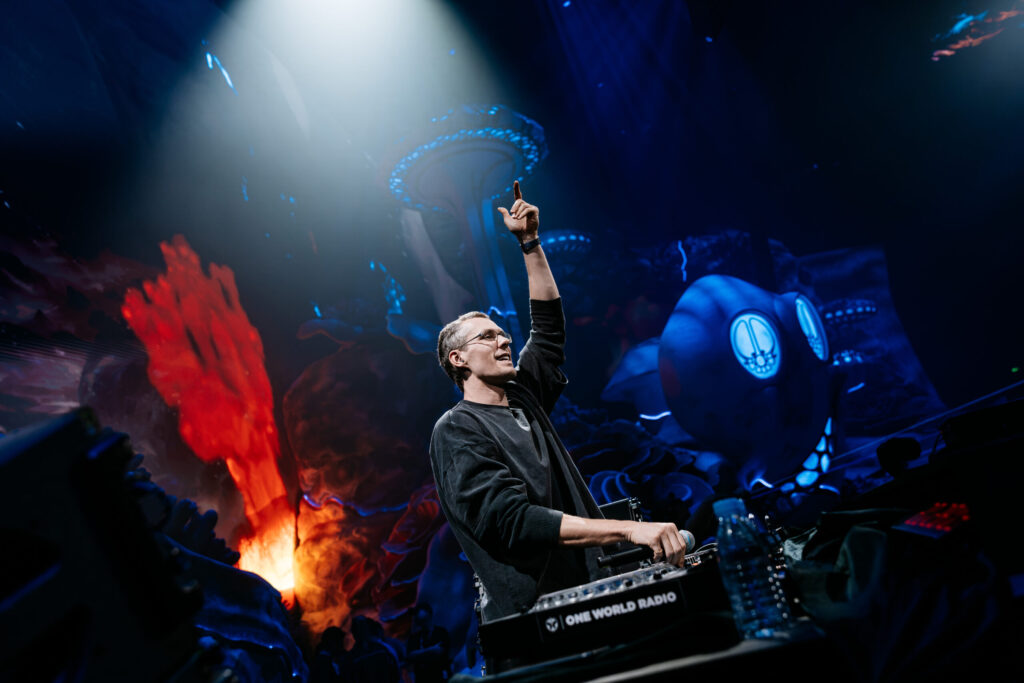
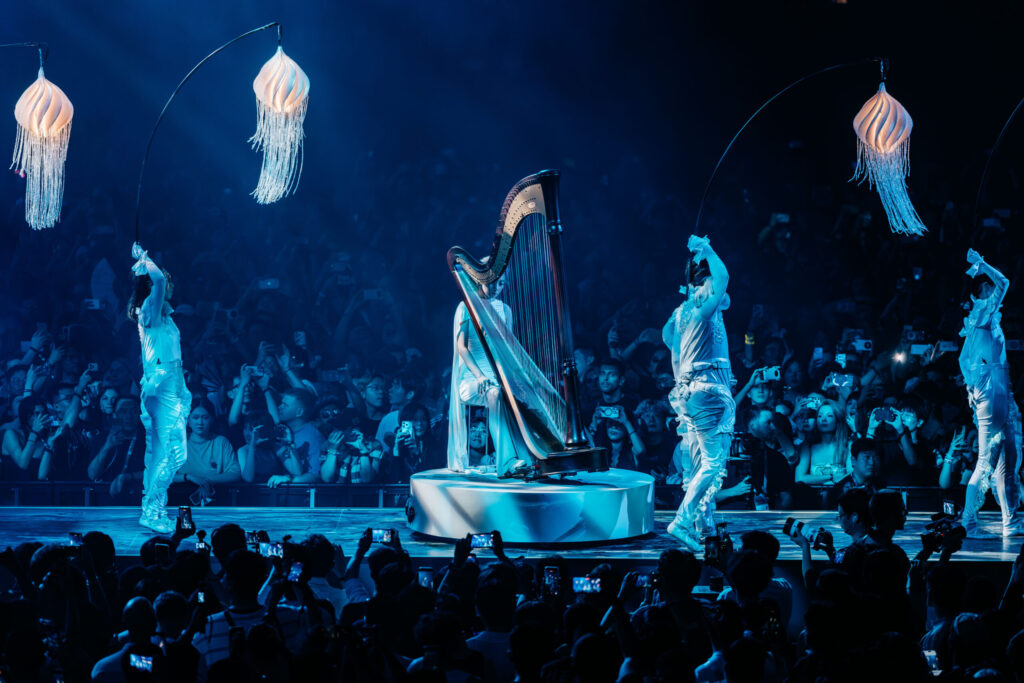
At its centre stood an 88 metre wide main stage, surrounded by an extensive production system designed to immerse the audience from multiple directions.
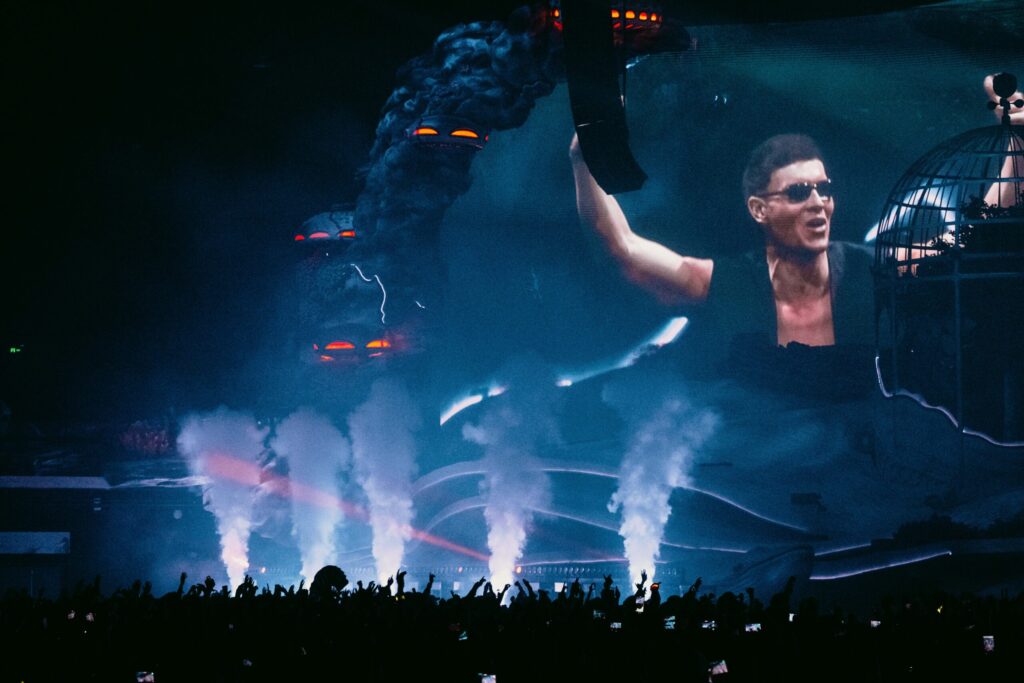
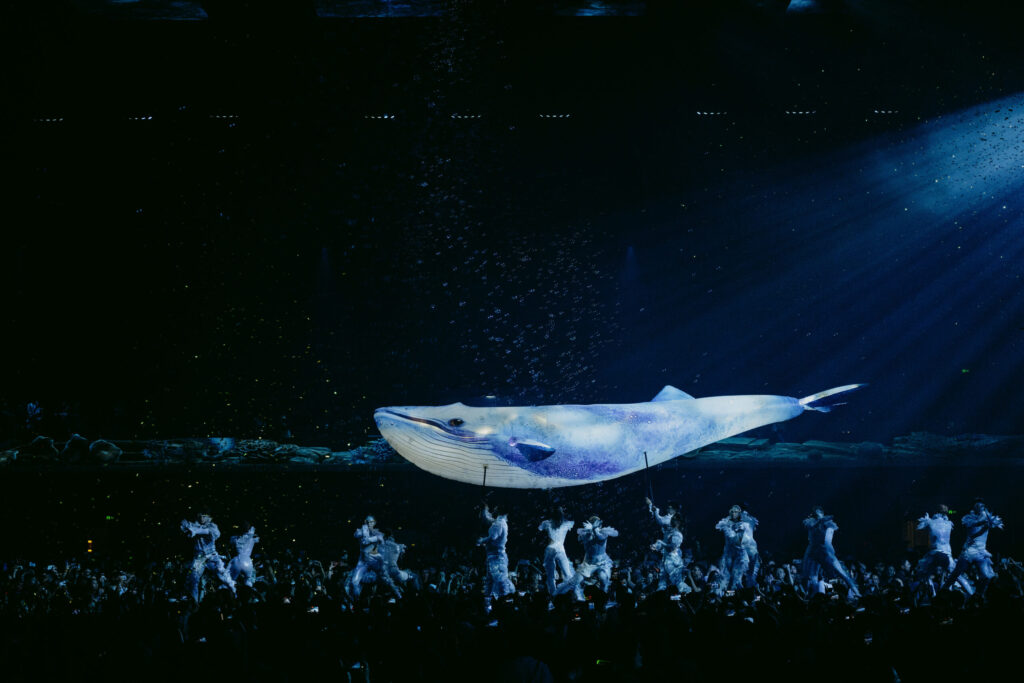
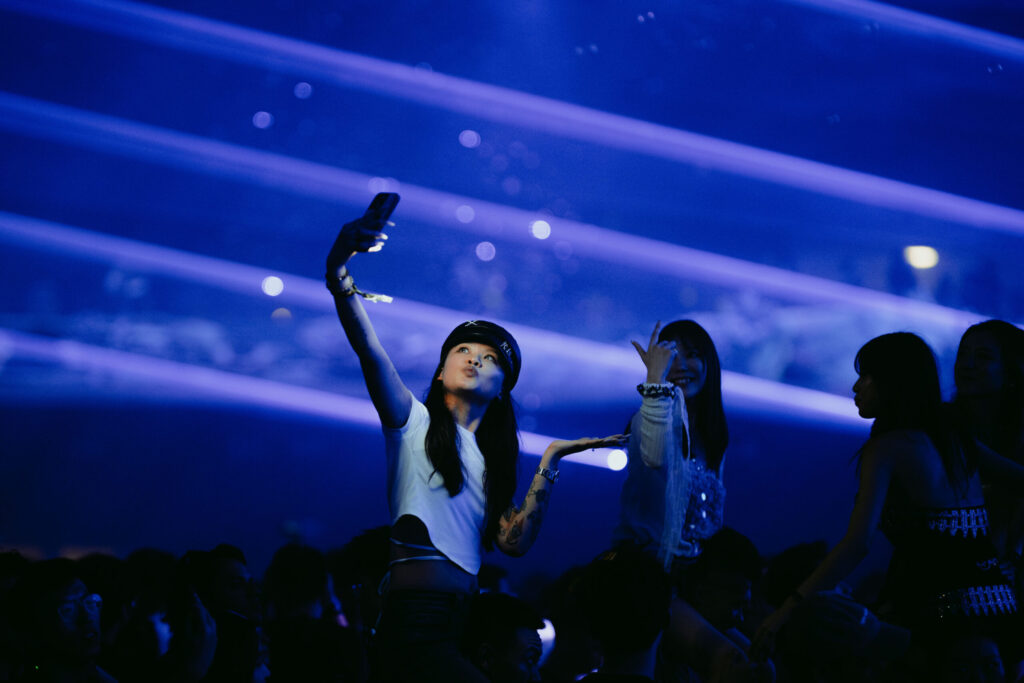
The installation incorporated 72 moving ceiling screens, 692 moving lights and laser fixtures, 120 L Acoustics speakers and 2,867 square metres of LED screens.
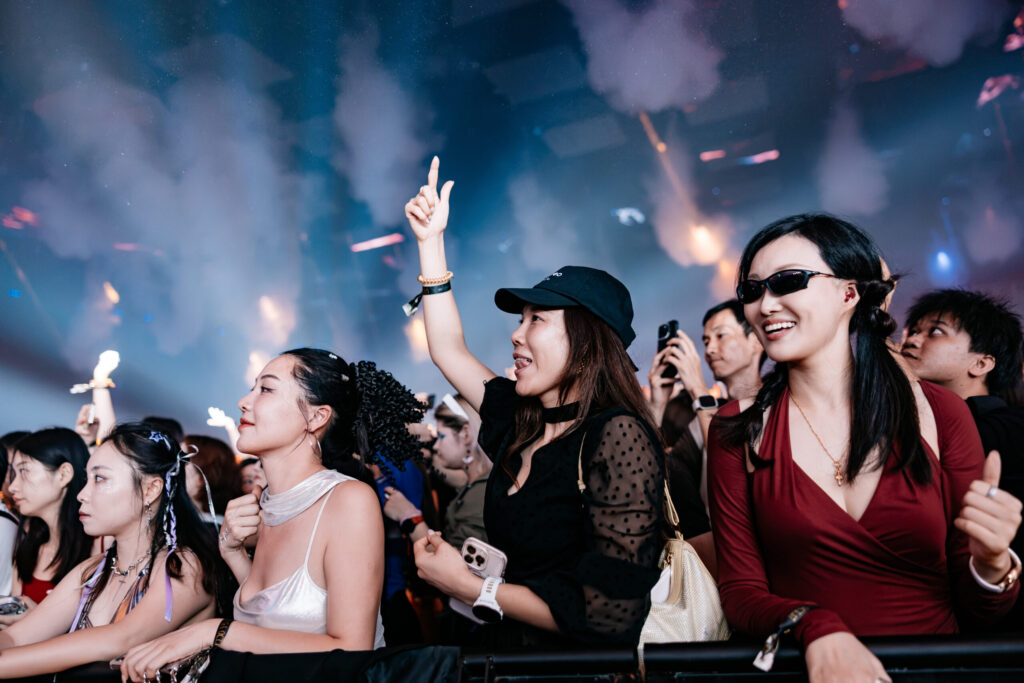
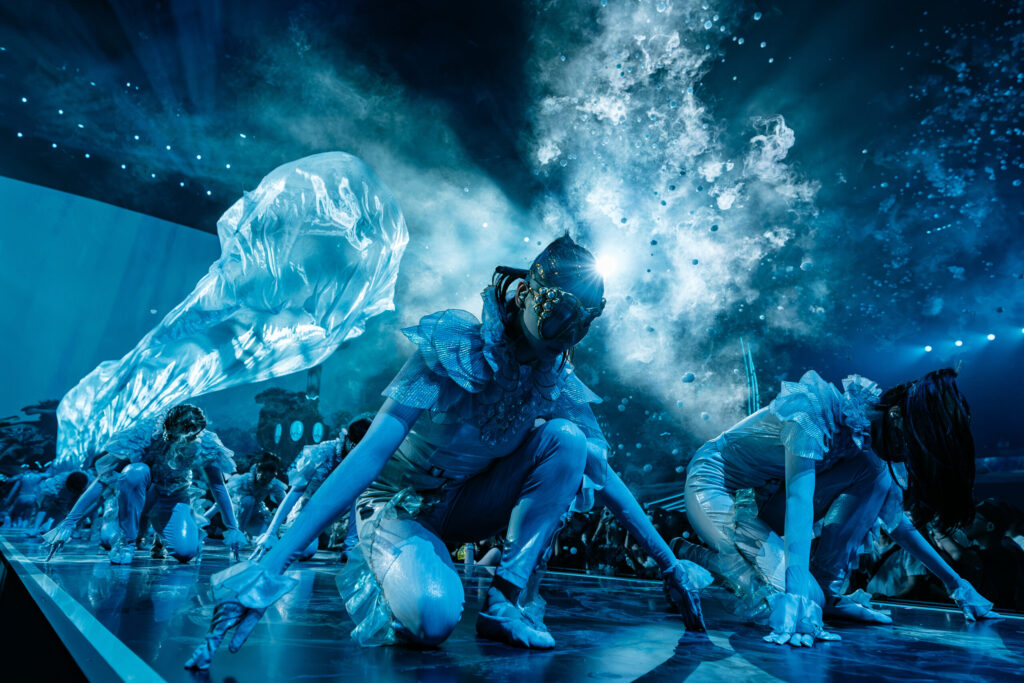
A 20 metre catwalk extended the production into the audience, accompanied by 24 performers wearing locally crafted costumes. Bubble machines, confetti effects and additional atmospheric production further expanded the visual environment.
In total, the project incorporated approximately 15,000 cubic metres of scenic structures and 20,000 square metres of stage design.
Importantly, the scenography was produced locally. The Shanghai edition therefore became an exercise in translating Tomorrowland’s elaborate visual identity through local production expertise rather than simply importing an existing festival stage.
Axwell Leads the Opening Night
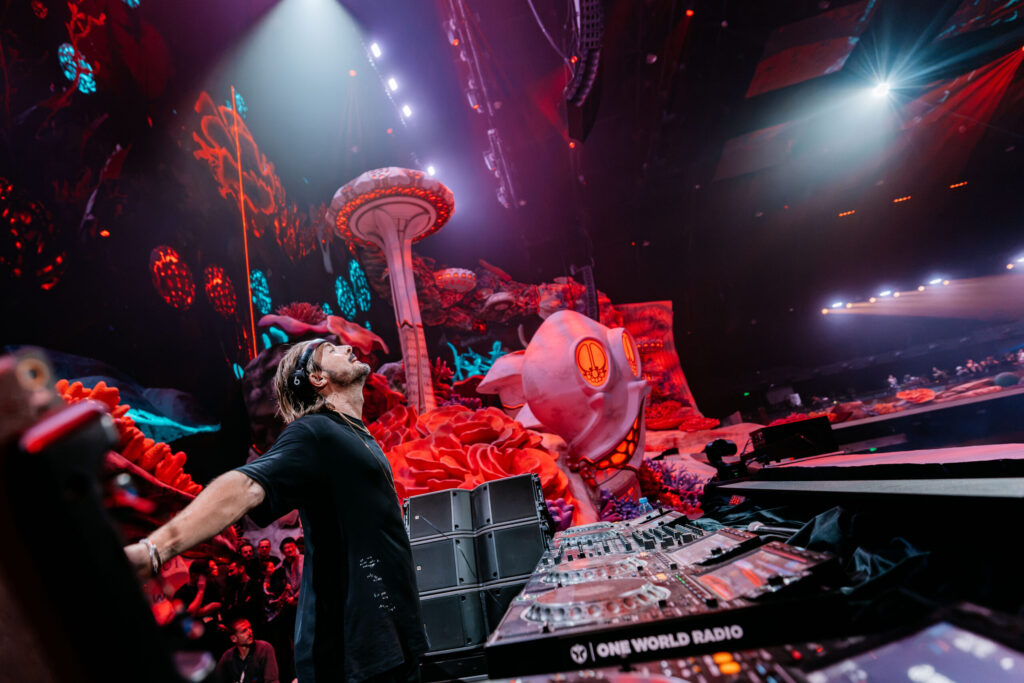
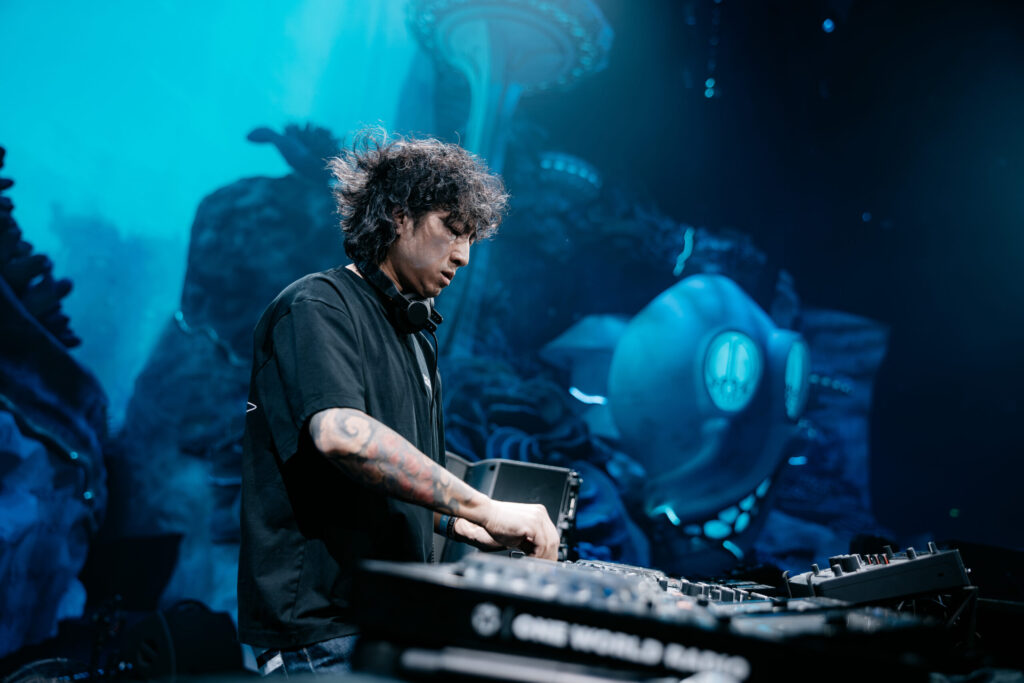
The first evening moved across melodic house, progressive electronic music and techno before culminating with a headline performance from Axwell.
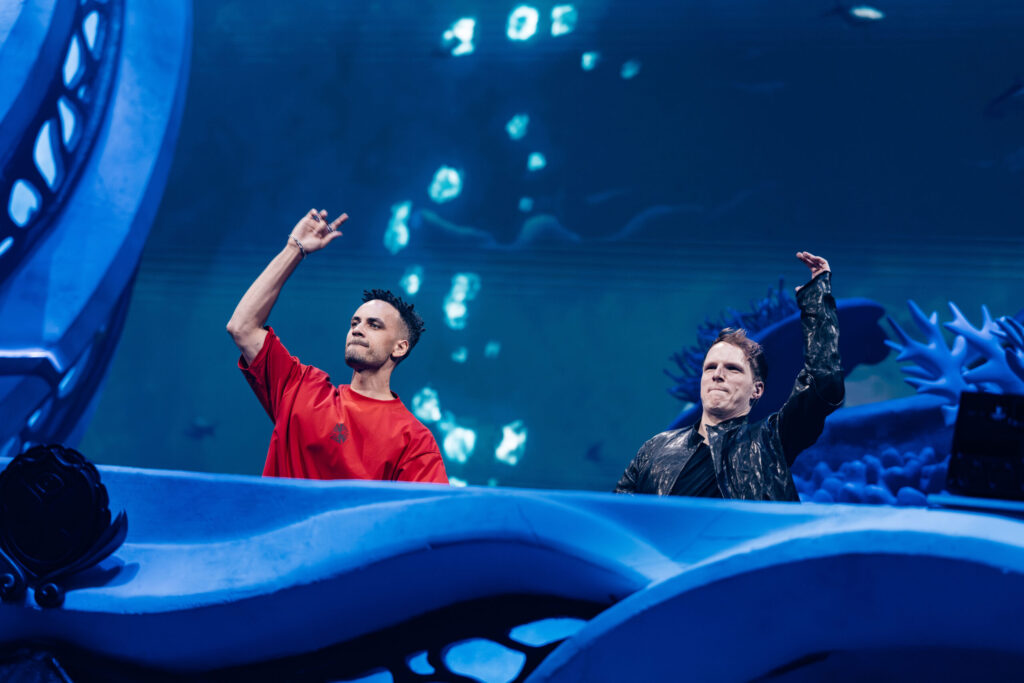
Lost Frequencies brought his melodic approach to the programme, while Cassian and Kevin de Vries joined for a B2B set connecting two artists closely associated with contemporary melodic electronic music.
MORTEN and Linska added further weight to the international lineup, while Chinese DJ Sally opened the programme and represented the local electronic music community.
Bringing Chinese artists onto the same programme as established international names was an important part of the event’s structure, particularly as Tomorrowland continues developing its presence in a market with an expanding electronic music audience.
Tiësto Closes the Second Night
The second night concluded with Tiësto, placing one of electronic music’s most internationally recognised artists at the centre of the festival finale.
Before Tiësto took control of Hero Dome, ARTBAT and R3HAB performed together in a B2B set, combining their respective approaches to contemporary electronic music.
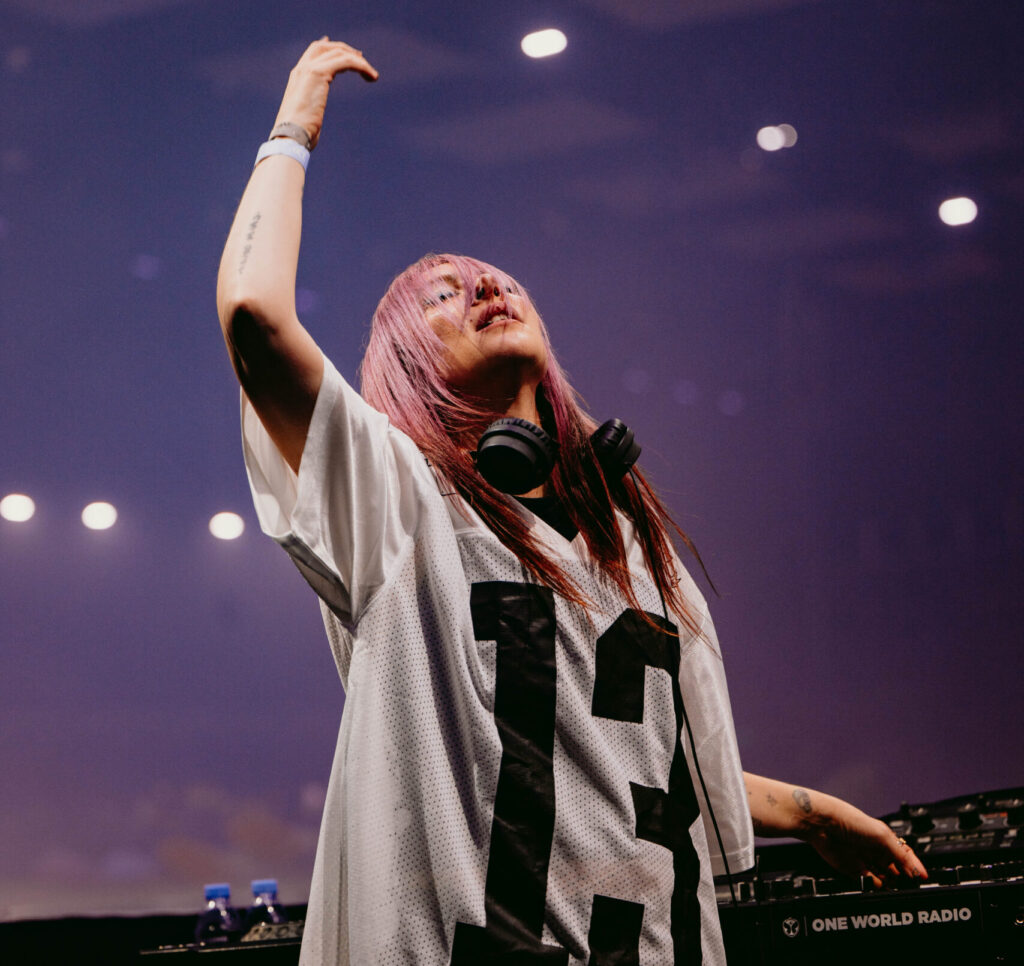
The closing programme also featured Miss Monique, Alison Wonderland and Joel Corry, creating a lineup that moved between melodic sounds, bass driven electronic music and accessible dancefloor productions.
Chinese artist Evin King joined the second day programme, continuing the festival’s effort to connect international bookings with artists from China’s own scene.
Across both nights, that combination became one of the defining characteristics of the Shanghai edition. Rather than functioning solely as a touring showcase of international stars, the programme created space for local artists within the wider Tomorrowland ecosystem.
A More Intimate Side of the Festival
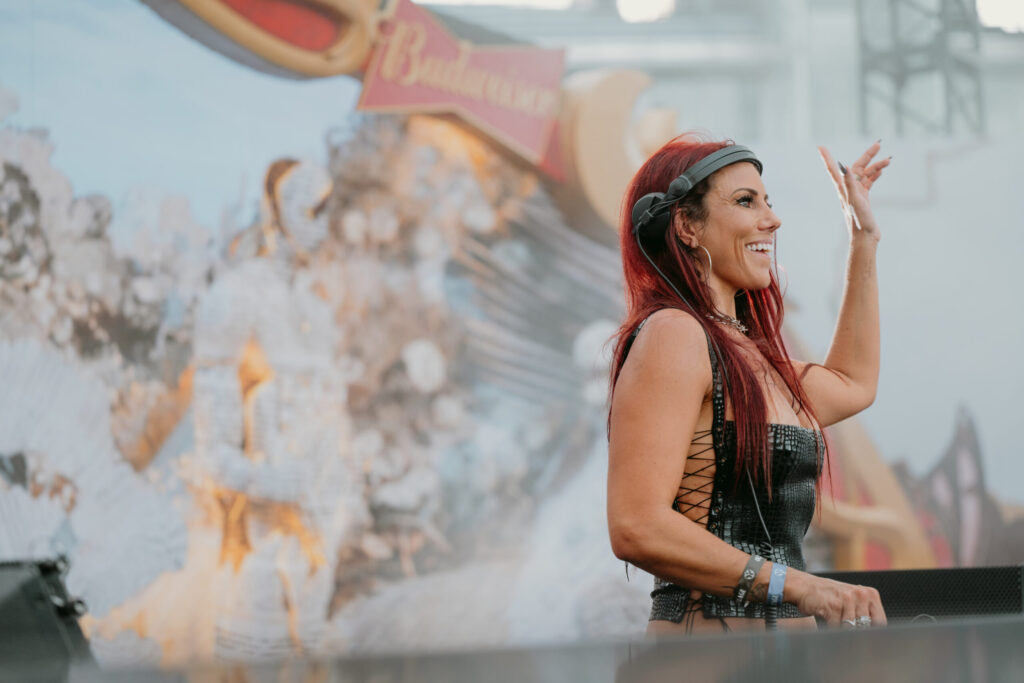
Away from the scale of the main stage, Paperworld by Budweiser offered a smaller environment built around sunset performances and music discovery.
Hauzer, Nosi, Bhaskar and Carly Wilford appeared alongside DJ L, Zok and Mansun Lui, giving audiences an alternative to the spectacle inside the main festival environment.
The contrast between the two spaces allowed The Magic of Tomorrowland to explore different dimensions of the festival experience, moving between major headline performances and a more intimate setting focused on individual DJ sets.
More Than a Dancefloor
Tomorrowland also extended the Shanghai concept beyond music.
Dedicated hospitality areas, brand installations, merchandise and food spaces were incorporated throughout the venue, while exclusive merchandise was produced specifically for the Chinese edition.
Food played a particularly prominent role, with around 15 participating brands covering Chinese regional cuisine, Western dining, Thai street food, desserts and drinks.
The selection included established names from Shanghai’s culinary landscape, bringing Michelin recognised restaurants and other dining concepts into the festival environment.
This broader approach reflects Tomorrowland’s increasingly expansive definition of what a festival can become. Music remains the gravitational centre, but design, food, fashion and technology are increasingly used to build a complete temporary world around it.
Tomorrowland Strengthens Its Connection With China
The second Shanghai edition also represents something larger than another international date on Tomorrowland’s calendar.
Returning for a second year indicates an ongoing attempt to develop a distinctive version of the Tomorrowland experience for China rather than treating Shanghai as a one time destination.
Tomorrowland spokesperson Debby Wilmsen described the relationship with China as one that continues to grow, highlighting the combination of the stage, lineup and audience as central to the Shanghai experience.
Hero Esports CEO and Co Founder Danny Tang similarly emphasised the importance of creating experiences capable of connecting audiences, while expressing an ambition to bring more festival projects to China.
For Tomorrowland, adapting its identity to different countries has become an increasingly important part of its international development. Shanghai presents a particularly interesting test because the festival must balance the instantly recognisable Tomorrowland universe with the characteristics of a rapidly developing local electronic music culture.
With two sold out nights, an enormous locally produced stage and a lineup connecting Chinese artists with some of electronic music’s biggest international names, the second edition suggests that The Magic of Tomorrowland is beginning to establish an identity of its own in Shanghai.
📸 : Cover Photo / Courtesy of ©Tomorrowland
📸 : Additional Photo Credits / Courtesy of ©Tomorrowland