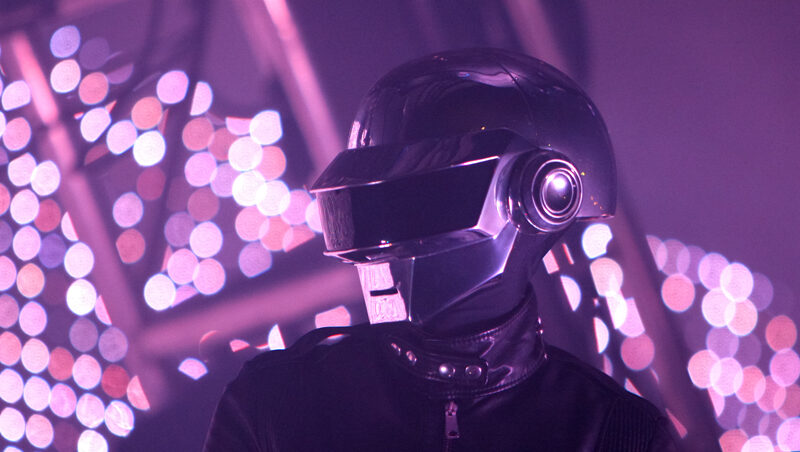
More than five years after the end of Daft Punk, Thomas Bangalter has made it clear that the iconic duo’s story is not set to continue, at least not in the form many fans still hope for.
In a new interview with The Times, published June 4, Thomas Bangalter reflected on Daft Punk’s split, the challenge of sustaining the project’s mythology, and the creative freedom he has rediscovered since stepping away from one of electronic music’s most influential acts.
I’m really happy that throughout our long run we were able to not screw it up. There are other things to explore.
Thomas Bangalter explained.
The history of music is made of fruitful partnerships and they usually last way shorter than the 28-year run that we had. It was great, but staying in character and not spoiling it became very difficult.
The French producer added.
Life After the Robots
The interview took place inside Thomas Bangalter’s Paris studio, where the producer spoke candidly about the surreal scale of Daft Punk’s global impact and the difficulty of fully processing its legacy.
Thomas Bangalter said:
Some of the music recorded in this studio has supposedly had billions of plays, but still my brain cannot, in a tangible way, make sense of that.
Reflecting on Daft Punk’s iconic robotic personas, Thomas Bangalter described the project as something that blurred the line between reality, fiction and performance art.
It was almost performance art where you create these characters and blur the line between fiction and reality… I was one of the robots, but now I’m just a human without any superpowers.
The statement offers rare insight into the psychological weight of maintaining one of modern music’s most recognizable artistic identities for nearly three decades.
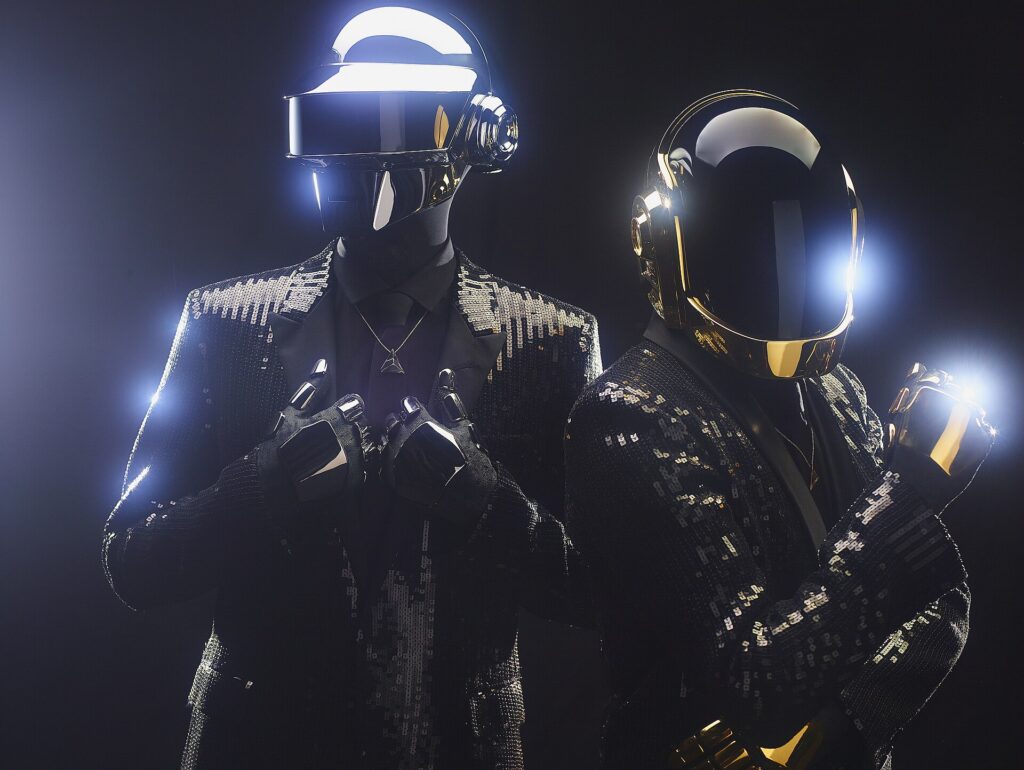
📸: Photo Credits / Sony Music Entertainment (CC License)
The Legacy of Daft Punk
Few electronic music projects have altered the trajectory of global music culture as profoundly as Daft Punk.
Formed in Paris in the early 1990s by Thomas Bangalter and Guy-Manuel de Homem-Christo, the duo transformed French house into an international movement while continuously redefining the possibilities of electronic music production, live performance and visual identity.
Albums such as Homework, Discovery and Random Access Memories helped bridge underground club culture with mainstream audiences without sacrificing artistic ambition. Their influence stretched across house, techno, hip-hop, pop and even fashion and visual art.
But what made Daft Punk uniquely important was never only the music.
The duo approached electronic music as world-building. Their robotic mythology, cinematic storytelling, meticulous sampling techniques and groundbreaking live shows reshaped expectations around what DJs and producers could become culturally. Long before today’s era of immersive audiovisual performances and hyper-curated artist identities, Daft Punk had already turned electronic music into futuristic narrative architecture.
Even today, traces of their influence remain everywhere:
- in modern festival production
- in the emotional structure of melodic dance music
- in crossover collaborations between pop and electronic artists
- in the visual branding strategies of contemporary DJs
For many artists, Daft Punk didn’t simply soundtrack electronic music’s global rise, they helped legitimize it as a serious artistic medium.
‘Mirage – Ballet for 16 Dancers’
The interview coincides with the release of Thomas Bangalter’s latest solo project, Mirage – Ballet for 16 Dancers, released last Friday.
Inspired by the work of Greek-French composer Iannis Xenakis, the album serves as the score for a 60-minute ballet created alongside choreographer Damien Jalet and visual artist Kōhei Nawa. The performance premiered at Geneva’s Grand Théâtre in 2025 and continues Thomas Bangalter’s increasingly experimental post-Daft Punk direction.
Rather than returning to club-oriented material, Thomas Bangalter has gravitated toward orchestral composition, contemporary dance and immersive audiovisual performance, territories that further distance his current work from Daft Punk nostalgia.
Beyond Daft Punk
Since the duo’s split in 2021, Thomas Bangalter has steadily expanded his artistic universe through multidisciplinary collaborations.
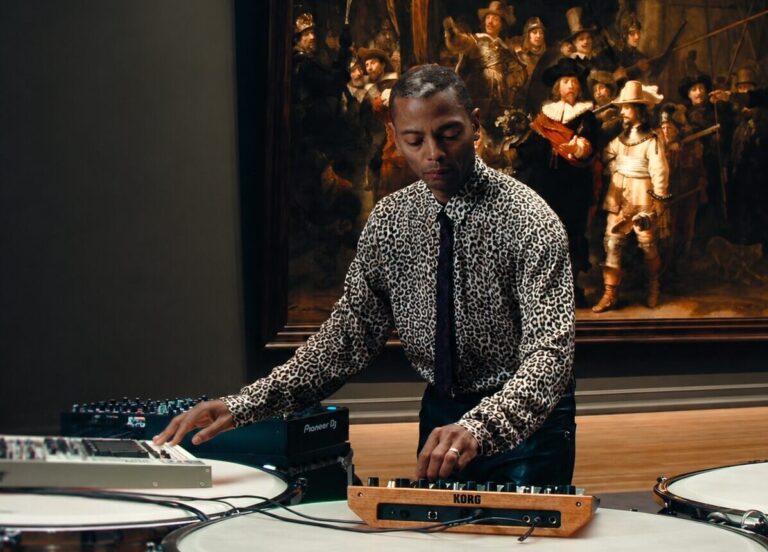
In 2023, Thomas Bangalter composed the soundtrack for Chiroptera Matiere Premiere at the Paris Opera House, later adapted into the Chiroptera soundtrack album and documentary project. More recently, Thomas Bangalter re-entered the DJ booth through select appearances alongside artists such as Fred again.., Busy P and Erol Alkan. including his first DJ set in 16 years at Centre Pompidou in Paris.
Later this month, Thomas Bangalter is also set to collaborate with Rampa of Keinemusik during an immersive Art Basel 2026 experience curated by art.klub and Nordstern Basel.
Meanwhile, speculation continues around a potential solo project from Guy-Manuel de Homem-Christo after comments made in late 2025 by Because Music founder Emmanuel de Buretel hinted that “Guy-Man is making his album.”
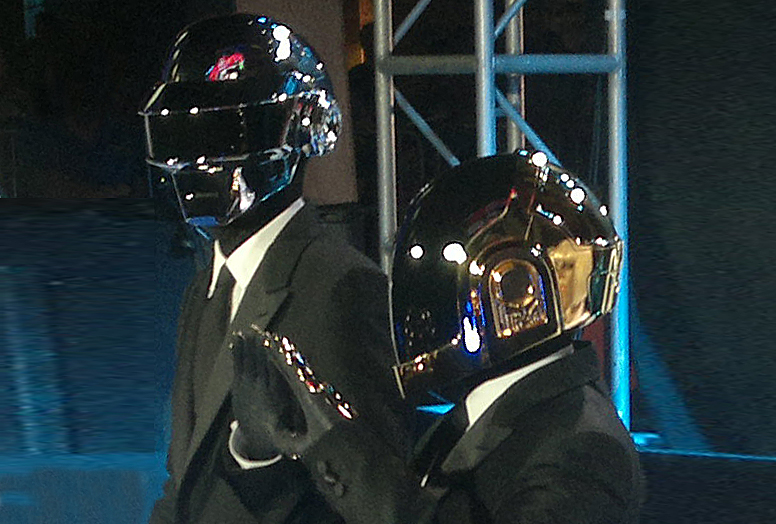
📸: Photo Credits / James Whatley (CC License)
Moving Forward Without Repeating the Past
For years, rumours of a Daft Punk reunion have circulated endlessly online. But Thomas Bangalter’s latest comments suggest something important: preserving the integrity of the project may ultimately matter more than reviving it.
And perhaps that restraint is part of what continues to make Daft Punk meaningful.
In an industry obsessed with endless comebacks and recycled nostalgia, Daft Punk chose disappearance over dilution. The robots left the stage before the mythology collapsed under its own weight.
Five years later, electronic music still moves through the architecture they built.
📷 : Cover Photo Credits / Pod k (CC License)
📷 : Additional Photo Credits / Sony Music Entertainment (CC License), James Whatley (CC License)