

Berlin’s legendary techno institution Tresor has publicly condemned an event promoting military artificial intelligence technology held at Kraftwerk Berlin, the former power station complex that houses the club. The controversy, involving European defence technology company Helsing, has prompted an apology from the venue’s management, demands for stricter booking policies and renewed discussion about the ethical responsibilities of cultural spaces built around underground electronic music.
The dispute emerged after Kraftwerk Berlin hosted a corporate event for Helsing, a company developing artificial intelligence systems and advanced technology for military applications.
Although Tresor operates within the same historic industrial complex, the club has made clear that it was neither consulted about the booking nor involved in organising the event.
In a statement published on November 19, 2026, Tresor rejected the decision and emphasised that the promotion of military technology conflicts with the principles that have shaped its identity since the early days of Berlin’s techno movement.
The controversy has also drawn a response from Berlin Atonal, the internationally recognised experimental electronic music festival that uses Kraftwerk as its principal venue.
Tresor Rejects Helsing Event at Kraftwerk Berlin
Tresor’s statement sought to clarify the relationship between the nightclub and Kraftwerk Berlin’s commercial events operation.
According to the club, the booking was handled independently by a member of Kraftwerk’s commercial rental team, without consultation with Tresor or Tresor Records.
The booking was accepted and managed by a member of Kraftwerk’s commercial rental team without the involvement or consultation of anyone at Tresor and Tresor Records,
the organisation explained.
We condemn this decision. The event should not have taken place.
Tresor further emphasised that its nightclub and record label operate separately from Kraftwerk’s commercial rental business and do not receive revenue from those bookings.
The distinction is particularly important because the Kraftwerk complex has become closely associated with Berlin’s underground electronic music culture.
Located in a former thermal power station, the industrial site houses both Tresor and its smaller sister club Ohm, while also accommodating exhibitions, festivals and cultural events.
Tresor’s presence has contributed significantly to the complex’s international reputation, making the decision to host a military technology company especially controversial within the electronic music community.
The promotion of weapons and military AI runs against everything Tresor has stood for since 1991,
the club stated.
It has no place in the spaces our community has built.
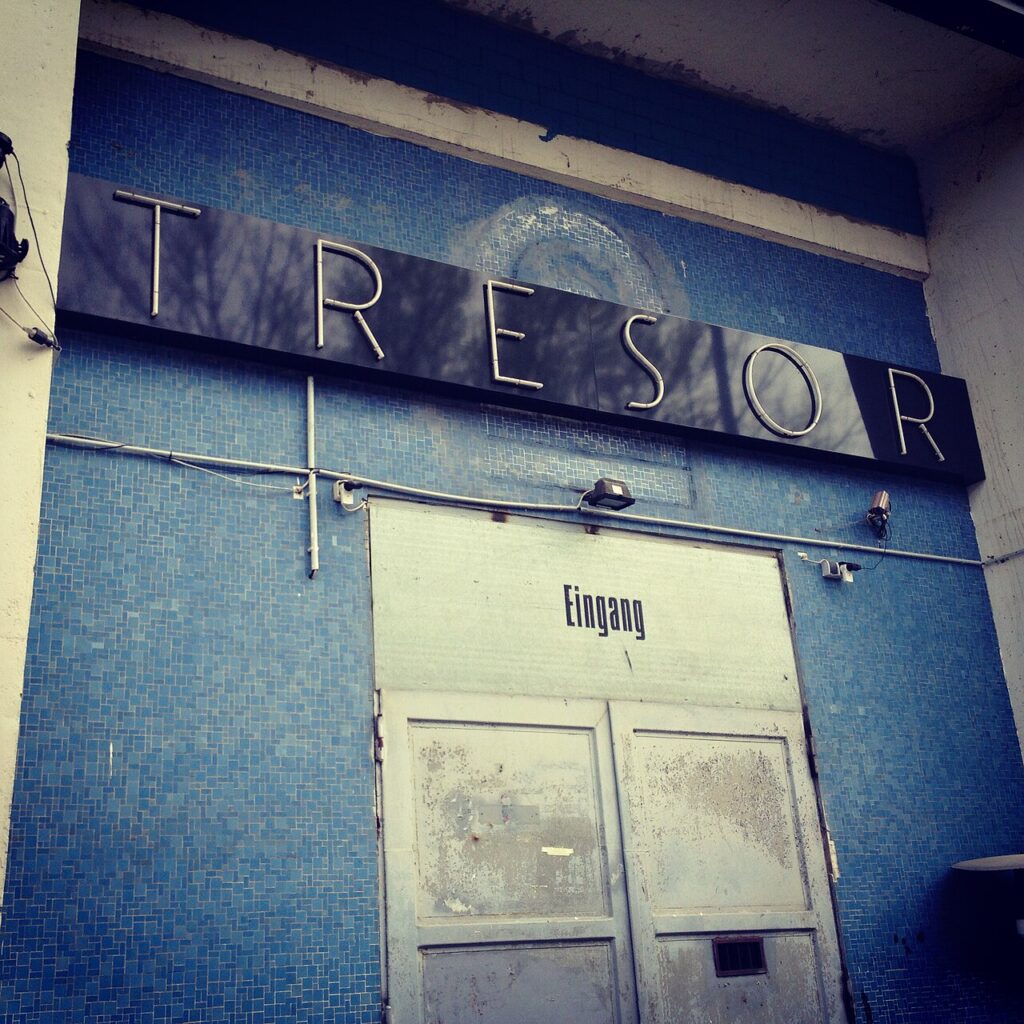
Kraftwerk Berlin Apologises for Hosting Military Technology Company
Following criticism of the event, Kraftwerk Berlin acknowledged that accepting the booking had been a mistake.
Tjabo Reuter, the venue’s head of sales, publicly apologised and accepted responsibility for the decision.
He acknowledged that he “should have declined the booking,” describing the situation as “a serious error of judgement.”
The apology came as questions emerged about how an event promoting military technology could be approved at a venue so closely connected to Berlin’s alternative cultural identity.
Tresor also addressed the involvement of Dimitri Hegemann, the influential cultural entrepreneur who founded the club and serves as managing director of both Tresor and Kraftwerk.
According to the club’s statement, Dimitri Hegemann was unaware of the booking and subsequently acknowledged that allowing the event to take place was unacceptable.
He has confirmed that the venue’s booking procedures will be reviewed.
Tresor further announced that proceeds generated from the Helsing event would be donated to charity.
The response indicates an attempt to address not only the immediate controversy but also the decision making structures that allowed the booking to proceed without consultation with the cultural organisations associated with the building.
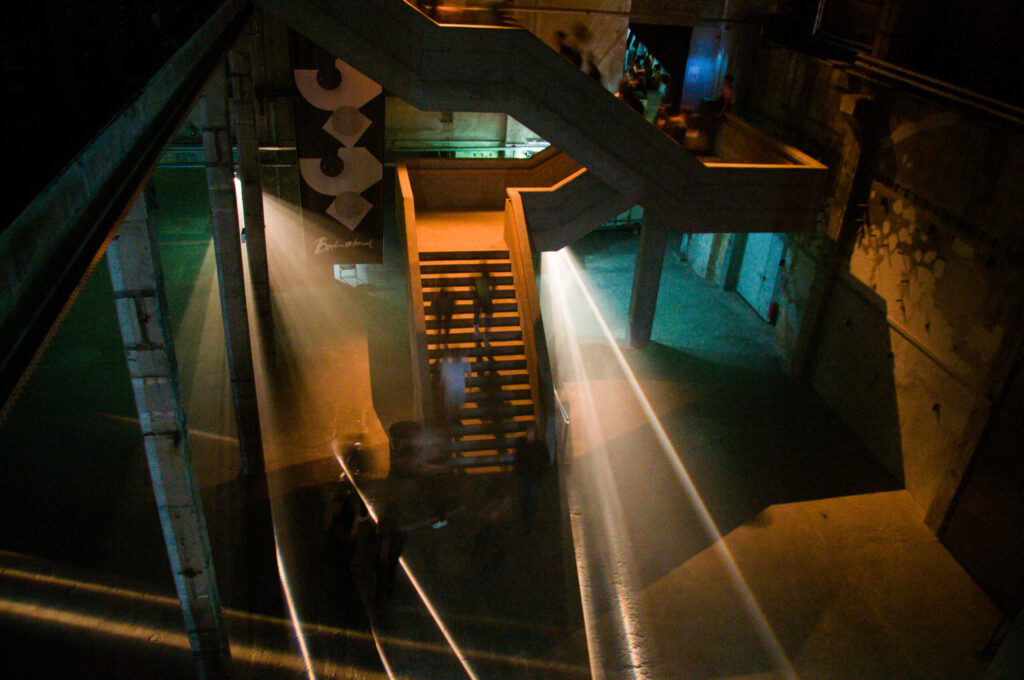
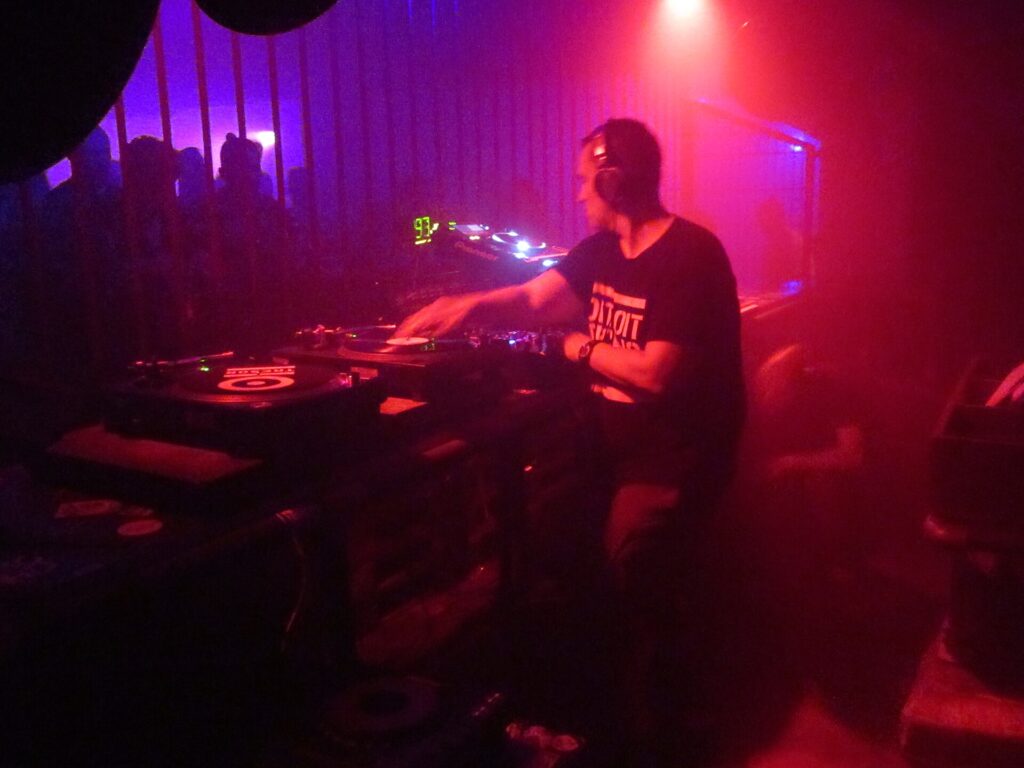
What Is Helsing and Why Has the Company Attracted Criticism?
At the centre of the controversy is Helsing, a European defence technology company specialising in artificial intelligence and military systems.
The company develops technologies designed for modern warfare, including autonomous systems, military drones, underwater vehicles and artificial intelligence software for combat applications.
Helsing has attracted significant investment as European governments and defence industries increasingly explore the military applications of advanced artificial intelligence.
Among its prominent investors is Spotify co-founder Daniel Ek, whose investment company Prima Materia has supported Helsing’s expansion.
Daniel Ek recently led a €600 million investment round in the defence technology company, bringing further attention to the relationship between technology entrepreneurs, the music industry and military development.
For critics within electronic music, the controversy extends beyond Helsing’s individual products.
It raises broader questions about whether cultural venues associated with artistic freedom, community building and alternative values should provide commercial platforms for companies involved in weapons development.
The debate has become particularly sensitive in Berlin, where techno culture has historically been associated with experimentation, inclusivity and the creation of spaces outside conventional political and commercial structures.
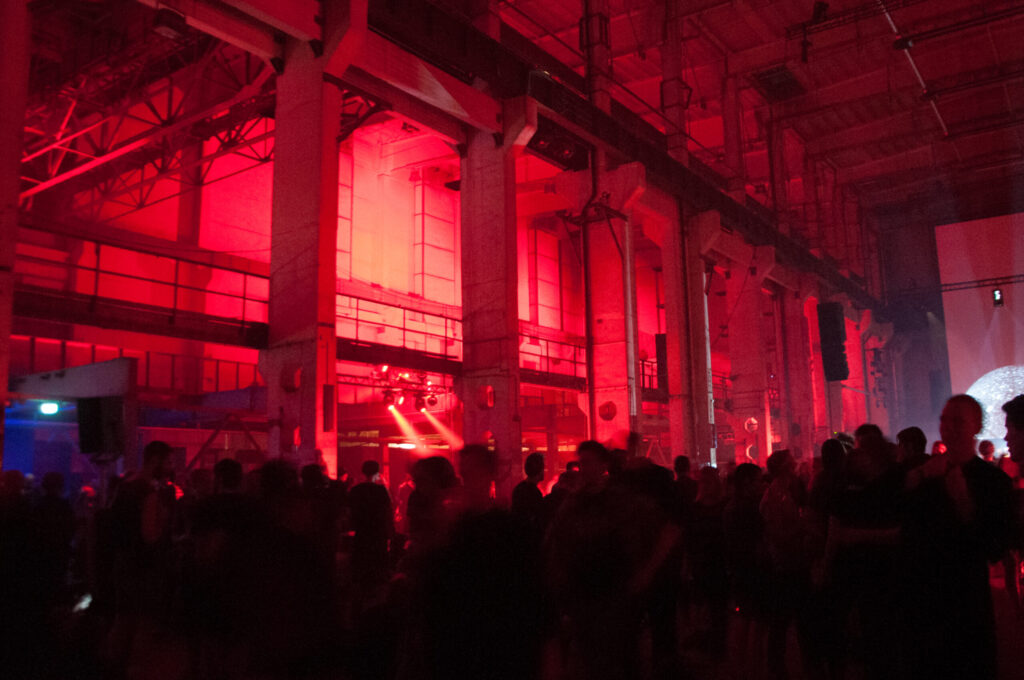

Why Kraftwerk and Tresor Matter to Berlin’s Techno Heritage
The controversy carries additional significance because of the history of Tresor and its role in shaping Berlin’s electronic music identity.
Founded in 1991, shortly after German reunification, Tresor emerged during a period when abandoned industrial buildings and newly accessible urban spaces were becoming important centres of cultural experimentation.
The club helped establish Berlin as an international destination for techno, developing close connections with Detroit artists and introducing influential American electronic music to European audiences.
Through its nightclub and record label, Tresor became associated with artists including Jeff Mills, Robert Hood and Underground Resistance, whose work helped define the relationship between Detroit techno and Berlin’s emerging electronic scene.
The club’s original location on Leipziger Straße became legendary for its intense atmosphere, industrial surroundings and commitment to underground music.
After relocating to the Kraftwerk complex in 2007, Tresor continued developing its identity within a former power station, preserving the connection between electronic music and Berlin’s industrial architecture.
Over the decades, the institution has come to represent more than a nightclub.
It has become an important symbol of Berlin’s cultural transformation and the ability of independent music communities to reclaim urban spaces for creative expression.
Against this background, the decision to host a military technology event at Kraftwerk has raised questions about the responsibilities that accompany the commercial management of culturally significant venues.
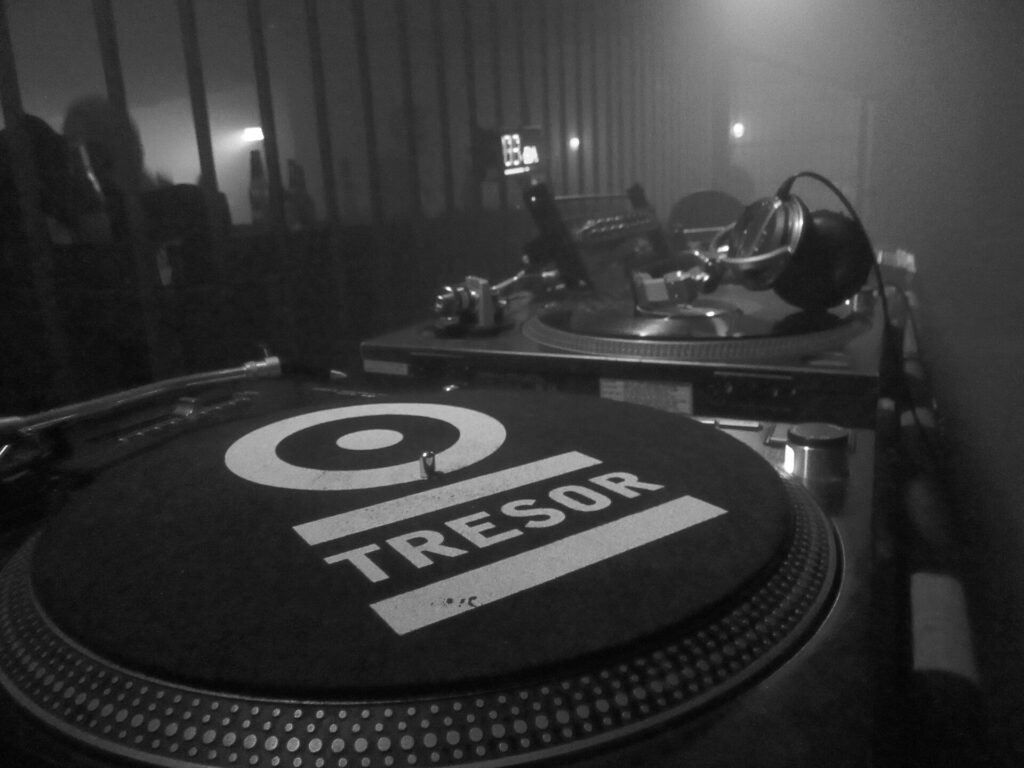
Berlin Atonal Demands Stronger Ethical Booking Policies
Berlin Atonal has also publicly condemned Kraftwerk’s decision to host the Helsing event.
The festival, known for its adventurous programming across experimental electronics, audiovisual art and contemporary sound, has maintained a close relationship with the venue.
In its statement, Berlin Atonal emphasised that it operates independently and has no involvement in Kraftwerk’s commercial bookings.
However, the organisation argued that cultural institutions contributing to the venue’s reputation should have a meaningful voice in decisions affecting the space.
We strongly condemn this decision,
the festival stated.
We have put years of ourselves into this space, alongside artists, audiences and colleagues, and we cannot accept being associated with a company that builds weapons.
Berlin Atonal called for the introduction of an ethical clause in Kraftwerk’s commercial rental agreements that would explicitly exclude arms manufacturers and military companies.
The festival also demanded greater transparency and formal participation by cultural organisations in decisions affecting the venue.
Its position highlights a central concern emerging from the controversy: while commercial rental operations may be legally separate from cultural programming, the reputation and identity of a venue are often shaped by the artists, audiences and organisations that use it.
Berlin Atonal welcomed the announced review of Kraftwerk’s booking procedures and Dimitri Hegemann’s decision to donate the proceeds from the event.
The festival’s response suggests that the controversy could lead to more substantial changes in how the complex is managed.
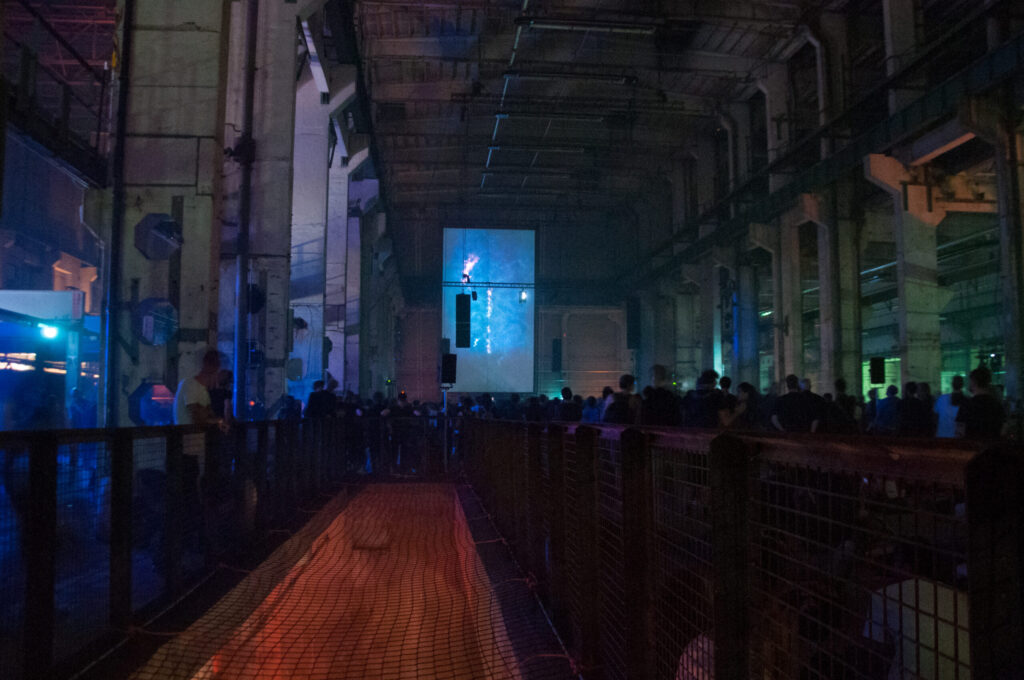

Spotify’s Daniel Ek and the Wider Electronic Music Boycott Debate
The Helsing controversy also connects to an existing debate within the music industry surrounding Spotify co-founder Daniel Ek and his investments in military technology.
In July 2025, Amsterdam based electronic music label Kalahari Oyster Cult announced that it was removing its catalogue from Spotify in response to Daniel Ek’s involvement with Helsing.
The decision reflected growing concern among some independent artists and labels about the financial connections between streaming technology and the defence industry.
British group Massive Attack also requested that its label remove its music from Spotify over the investment and confirmed that future releases would not be made available through the platform.
These decisions illustrate how the debate surrounding Helsing has extended into questions of artist responsibility, music distribution and the ethical implications of technology investments.
It is important to distinguish Daniel Ek’s personal investment activities from Spotify’s corporate operations. His involvement in Helsing is through Prima Materia, rather than a direct investment by Spotify itself.
Nevertheless, the association has prompted some musicians to reconsider their participation in a platform whose co-founder is financially connected to military technology.
The Kraftwerk controversy now brings those concerns into the physical spaces of electronic music culture, raising similar questions about the relationship between artistic communities and the commercial activities of organisations associated with them.
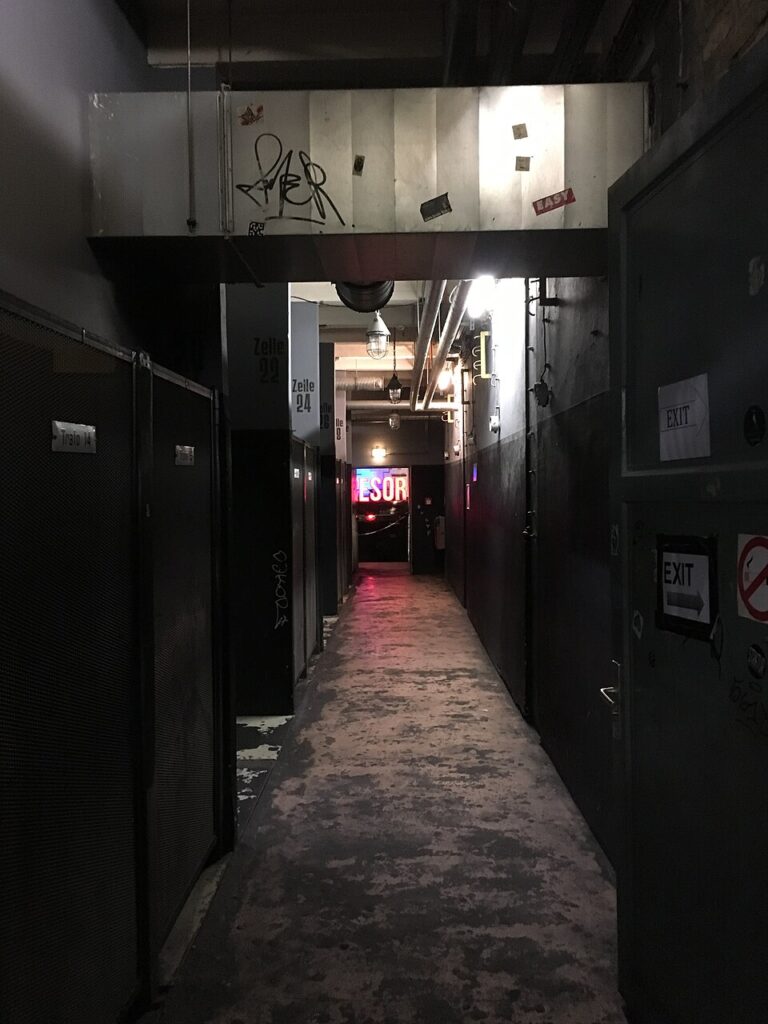
A Wider Debate About the Future of Independent Cultural Spaces
Beyond the immediate controversy, the Helsing event has reopened an important discussion about the governance of cultural venues.
Berlin’s electronic music scene has long depended on spaces that combine artistic experimentation, independent programming and unconventional approaches to nightlife.
Yet maintaining large industrial buildings and cultural institutions often requires substantial financial resources, creating an ongoing tension between commercial activity and cultural identity.
The question is not necessarily whether venues should host private or corporate events, but how those bookings are evaluated and whether they align with the values of the communities associated with the spaces.
Tresor and Berlin Atonal have both argued that decisions affecting Kraftwerk should involve greater transparency and consultation.
Their statements suggest that the venue’s future booking policies may become an important test of how cultural institutions balance financial sustainability with their public responsibilities.
For the electronic music industry, the situation also highlights the growing influence of artists and independent organisations in challenging commercial decisions they believe conflict with their principles.
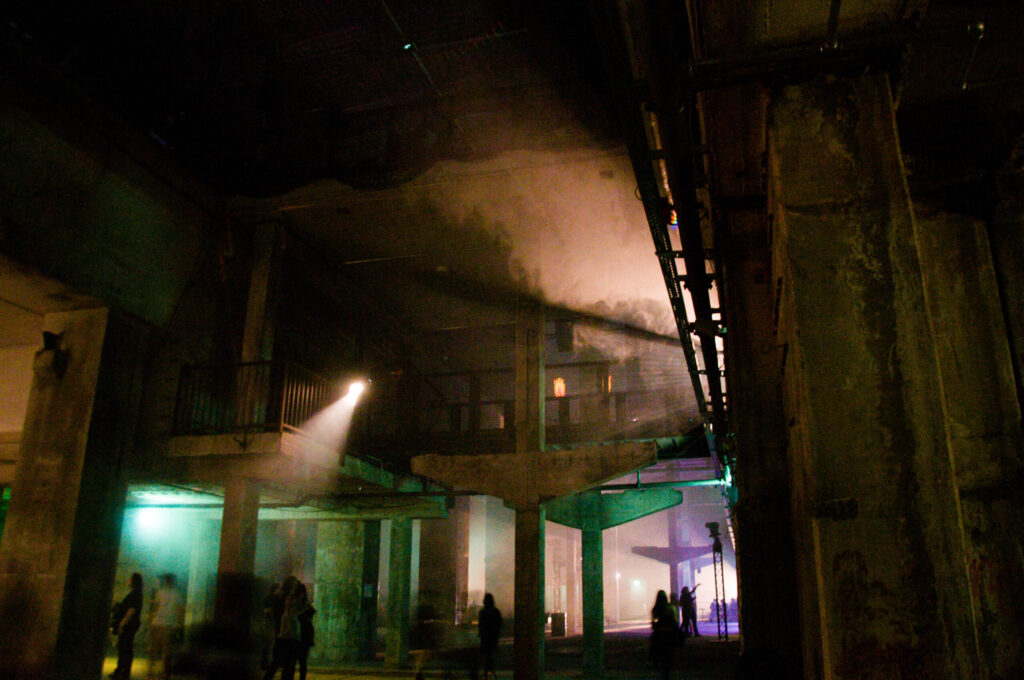

Tresor Reaffirms the Values Behind Berlin’s Underground Culture
The controversy surrounding Helsing’s event at Kraftwerk Berlin has become a significant moment for one of electronic music’s most respected institutions.
Tresor’s condemnation, Kraftwerk’s apology and Berlin Atonal’s demands for reform demonstrate that the issue extends beyond a single commercial booking.
At its centre is a question about who has the authority to determine how culturally important spaces are used, particularly when their reputations have been built over decades by independent artists and communities.
Since opening in 1991, Tresor has played a central role in the development of Berlin’s techno culture, helping establish a musical environment that continues to influence electronic music around the world.
Its response to the Helsing event reflects a determination to protect that legacy and ensure that the values associated with the club are not separated from the spaces in which they developed.
With Kraftwerk now reviewing its booking procedures and cultural organisations calling for formal ethical safeguards, the controversy could influence how other music venues approach commercial partnerships.
For Berlin’s electronic music community, the message from Tresor and Berlin Atonal is clear: the cultural significance of a space carries responsibilities that extend beyond its commercial use.
📸 : Cover Photos Credits / Courtesy of Tresor Berlin and OHM Berlin
📸 : Additional Photo Credits / Angie Linder (CC License), Mitch Altman / Flickr (CC BY-SA 2.0) Original photos: Photo 1, Photo 2, Photo 3, Photo 4 , Michael Mayer (CC License)