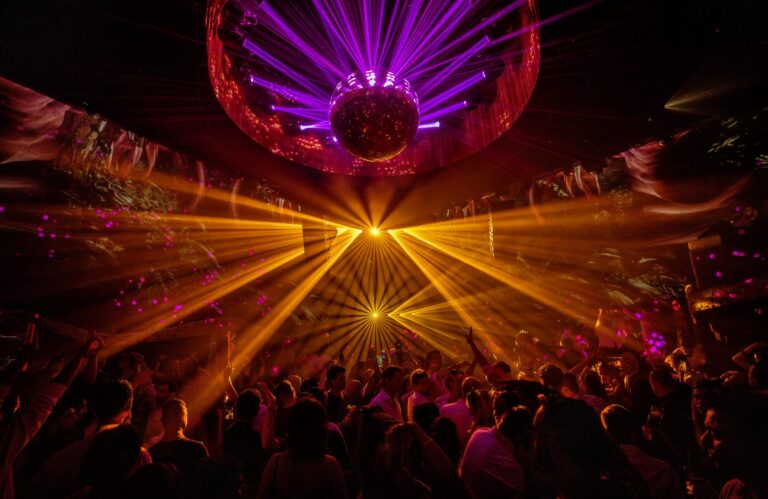
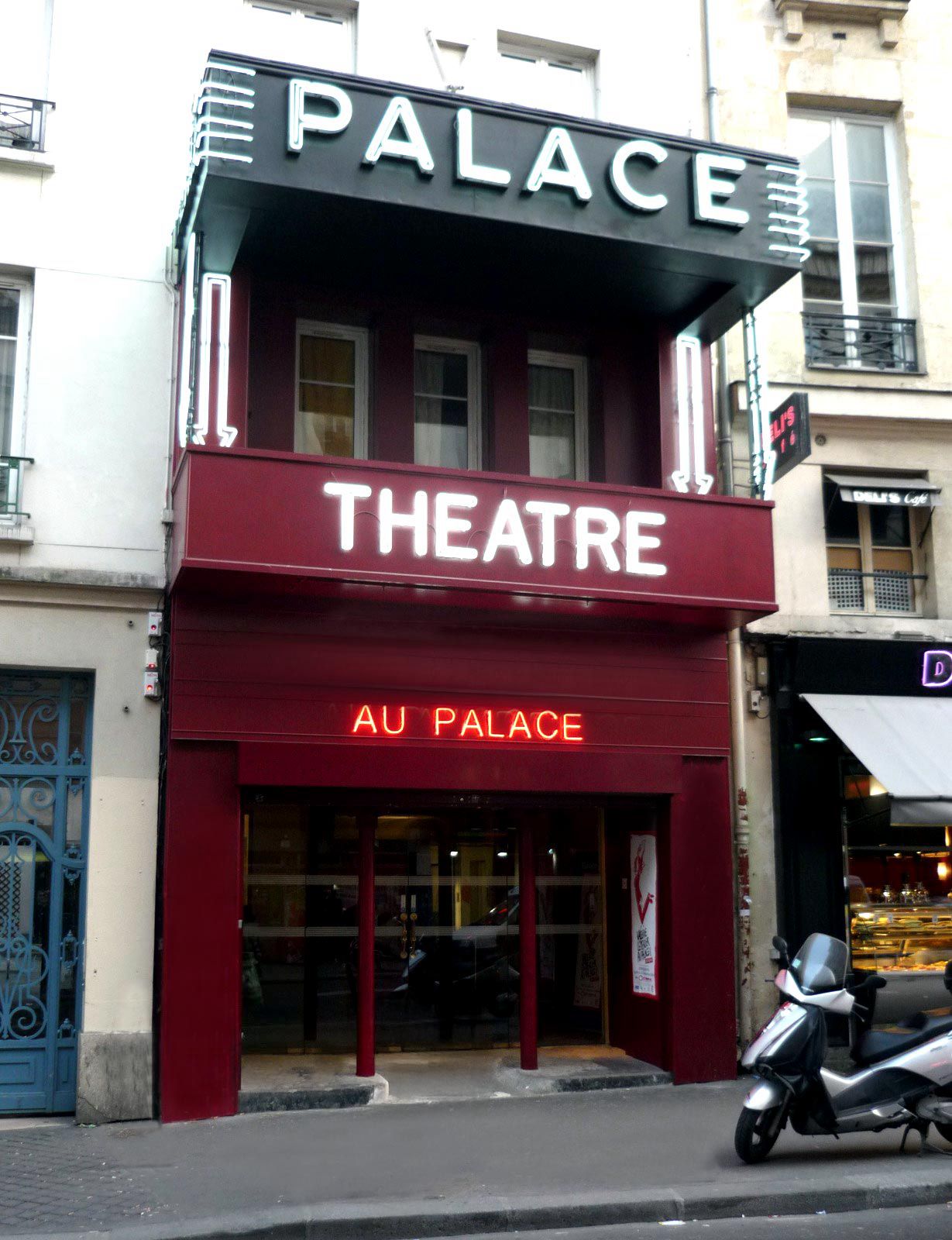
A myth revived: often called the Paris version of Studio 54, “Le Palace” hosted legendary parties from 1978 until 2008, three decades in the Parisian nightlife and it will officially reopen its doors in 2026.
Before becoming a mythical nightclub, “Le Palace” was originally a theatre built in the early 20th century (1912). In the mid-1970s, Fabrice Emaer, already famous for his successful Parisian gay club “Le Sept”, envisioned a new type of nightlife venue that combined glamour, performance, fashion, art, and celebrity culture—a Parisian equivalent to what Studio 54 would later represent in New York. After taking over the building at 8, rue du Faubourg-Montmartre in the 9th district, he transformed the theatre into a dazzling, immersive nightclub. “Le Palace” officially opened in 1978, immediately revolutionizing Paris’ nightlife.
Celebrities like Mick Jagger, Grace Jones, Andy Warhol, Karl Lagerfeld, Yves Saint Laurent, Prince, David Bowie and many more were frequent party goers at Le Palace, blending with a unique mix of fashion designers, aristocrats, artists, musicians, drag performers, and LGBTQ+ communities. Like Studio 54, the club had a reputation for opulent theme nights, extravagant costumes, and avant-garde creativity.
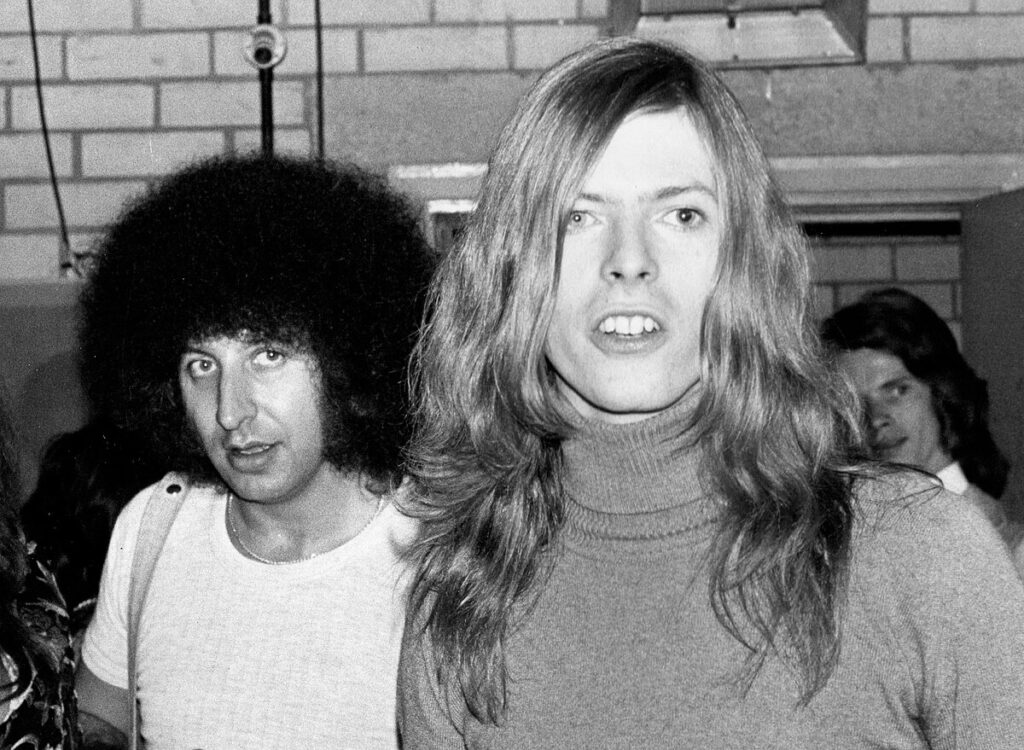
📷 : David Bowie and Tony Defries / Photo Credits / Djmehow CC License.
After the death of Fabrice Emaer in 1983 and the end of the disco wave, the venue experienced several shifts in management and a series of reopenings during the 1990s and early 2000s.
By the early 1980s, Le Palace was still the epicenter of Parisian nightlife. Disco dazzled the dance floor, but new electronic influences were beginning to step in. DJs started experimenting with early proto-house (the name given to “house music” before it became house music), synth-pop, and electronic funk coming from New York, Chicago, and eventually from Belgium. Freshly imported from Chicago, House music began infiltrating French dance floors around 1986–1987 and Le Palace—always hungry for innovation—opened its doors to these new sounds. DJs and promoters organized nights featuring Chicago house, acid house, electronic boogie. These evenings attracted a new generation: fashion students, queer communities, club kids, musicians, and curious night owls eager for something fresh.
By 1987–1988, the Belgian “New Beat” movement exploded in Europe: slow BPM, heavy bass, dark synths. Le Palace hosted several New Beat nights, connecting Paris to the alternative electronic culture that was reshaping Brussels and Antwerp. One of the most beloved traditions of the era, the Gay Tea Dance at Le Palace became emblematic, bringing together the LGBTQ+ community, drag performers, fashion icons, dancers, and artists, dancing on sunday afternoon to a joyful blend of disco, Hi-NRG → Italo-disco, house music, with splashes of Camp Classics & Queer Anthems, preserving the spirit of mixing genres, classes, and identities that Emaer had founded.
In the late 1980s, a young French DJ began his career on the Paris club circuit. He was a resident and regular DJ at Le Palace, particularly during electronic and house-leaning nights before he became the global superstar we know today: David Guetta. He has often cited these early gigs as foundational, exposing him to the emerging dance music culture that would later define his career. At Le Palace, Guetta played house and acid house, dance-pop remixes, early techno-adjacent tracks and experimental electronic imports. For many Parisian clubbers, these were their first encounters with the future of electronic music.
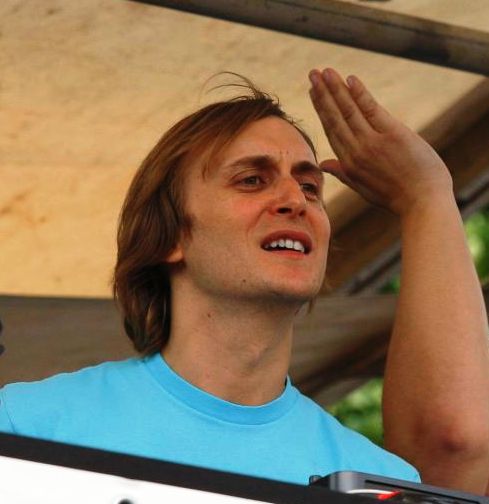
📷 : Photo Credits / Asompua CC-by-2.0.
As the 1990s arrived, the club world changed dramatically. Raves, techno warehouses, and a younger underground scene were gaining traction. Le Palace tried to reinvent itself multiple times and by 1996, Le Palace closed as a nightclub. Left abandoned from 1996 to 2008, it had been fully restored, hosting concerts and shows from 2018 before closing its doors again in 2023.
Now with a new owner, Mickael Chetrit (who already owns “Le Palais des Glaces”, a multi-purpose venue of 500 pax capacity in Paris), aims to make Le Palace a popular venue for artists again, with a capacity of up to 1400, by infusing it with a bit of the soul of the era “The Palace represented an era of parties that no longer exists today, where it felt like everything was possible. Yves Saint Laurent could dance next to the guy who was emptying the trash. All that is over, but we’re going to continue to mix genres.” Chetrit said.
📷 : Photo Credits / Danglars2 CC License