
The music industry just cracked open a new portal. Spotify and Universal Music Group have signed a “landmark” licensing agreement that could redefine how fans interact with songs. Announced on 21 May during Spotify’s Investor Day, the deal introduces a future where listeners are no longer just consumers, but co-creators.
From Listener to Creator: AI Tools Enter the Mainstream
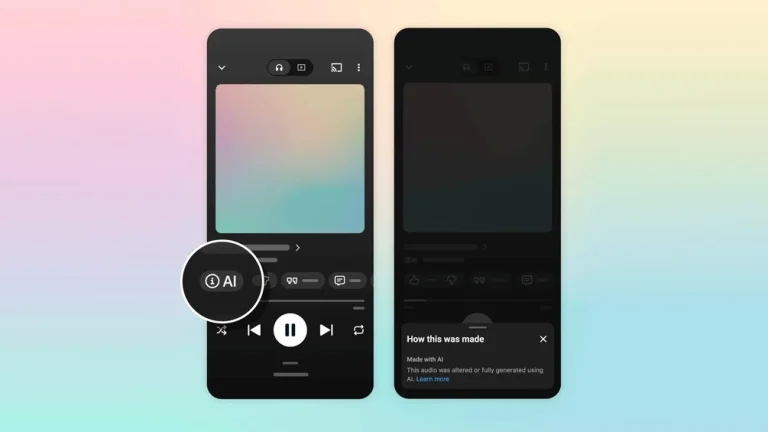
At the heart of the agreement lies a new paid add-on feature for Spotify Premium users. This tool will allow fans to generate AI-powered covers, remixes, and reinterpretations of tracks from participating artists. Think of it as stepping into the studio without ever leaving your headphones, bending melodies, reshaping vocals, and reimagining soundscapes with a few taps.
Spotify describes the feature as a gateway to “new ways to drive discovery,” turning passive listening into an interactive experience where music evolves in real time.

📷 : Photo Credits / Garley Gibson (CCO License)
Consent, Credit, Compensation: The New Creative Framework
Spotify’s co-CEO, Alex Norström, emphasized that the initiative is “grounded in consent, credit, and compensation.” In a landscape often shadowed by AI copyright concerns, this trio forms the backbone of the deal.
Through each technological transformation, we have worked together with Sir Lucian and his team to evolve the music ecosystem into a richer, more beneficial experience for fans and a more rewarding outcome for artists and songwriters,
Alex Norström added.
Artists and songwriters will not only retain control over how their work is used but will also benefit financially. The reinterpretations generated by fans are positioned as an additional revenue stream, layered on top of traditional streaming income.
AI and the Industry: A Tipping Point
This move arrives as the wider music ecosystem races to establish boundaries and opportunities around generative AI. Platforms like Udio and Klay are already experimenting with tools that allow users to reshape licensed tracks, signaling a broader shift toward interactive music creation.
Meanwhile, the data tells a more chaotic story. Deezer reports that AI-generated music now accounts for 44% of its daily uploads, roughly 75,000 tracks. The flood is real, and it’s accelerating.

📷 : Photo Credits / Coolcaesar (CC License)
Control vs Chaos: Platforms Draw Their Lines
As AI-generated music surges, platforms are responding in sharply different ways. Spotify itself removed 75 million AI-generated “spam” tracks in a large-scale cleanup effort, highlighting the risks of unchecked automation.
On the other end of the spectrum, Bandcamp has taken a hard stance, banning AI-generated music entirely. The industry is effectively running multiple experiments at once, testing where creativity ends and exploitation begins.
Beyond Streaming: Spotify Reserved and the Fan Economy
Alongside the AI announcement, Spotify unveiled “Spotify Reserved,” a new initiative offering Premium users access to concert tickets. It’s another signal that streaming platforms are expanding beyond music playback into full-spectrum fan ecosystems, where access, experience, and exclusivity become part of the product.
The Future Sound: Co-Creation as Culture
This deal doesn’t just introduce a tool; it sketches a new cultural blueprint. Music may soon behave less like a finished product and more like a living organism, constantly reshaped by artists and fans alike.
If the last decade was about streaming everything, the next one might be about remixing everything.
📷 : Cover Photo Credits / ChatGPT Image
📷 : Additional Photo Credits / Garley Gibson (CCO License) and Coolcaesar (CC License)