
The live music economy is entering a high-stakes audit. A UK parliamentary committee has called for an urgent, full-scale investigation into Live Nation Entertainment, raising serious concerns about competition, market fairness, and structural dominance across the industry.
A System Under Strain
In its report, Competition and market functioning in the UK live music industry, the UK Parliament Business and Trade Committee outlined what it described as “deep concerns” over whether the current ecosystem is functioning fairly.
The numbers alone tell a stark story. In 2025, Live Nation controlled 58% of the 23.1 million tickets available in the UK. When factoring in affiliated entities, that figure climbs to 66%, effectively placing a majority of the live music market within one corporate orbit.
Committee chair Liam Byrne emphasized that the issue extends beyond scale. According to Byrne, the inquiry uncovered a climate where industry stakeholders were reluctant to speak openly, with many submissions requesting anonymity due to fear of repercussions. That dynamic, he suggested, signals deeper structural imbalance.
Vertical Integration and the Competition Question
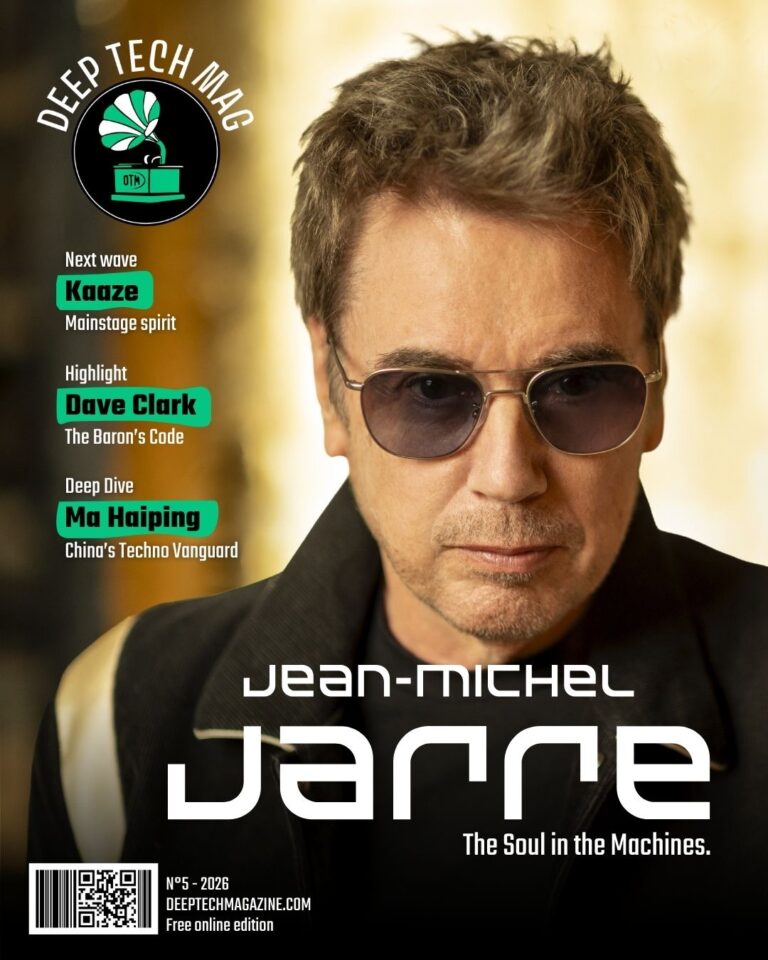
At the heart of the investigation lies Live Nation’s vertically integrated model. The company operates across promotion, ticketing, and venue ownership, including control of arenas, stadiums, and major festivals.ADE 2026 will run from 21 to 25 October, featuring Jean-Michel Jarre as guest of honour. Jarre will perform at AFAS Live, marking 50 years since his landmark album Oxygène.
Critics argue that this ecosystem creates a closed loop where access to large-scale stages, marketing channels, and ticket distribution is increasingly tied to working within Live Nation’s infrastructure. The report highlights concerns that exclusive agreements linked to in-house ticketing and promotional services further limit opportunities for independent promoters and emerging artists.
The Competition and Markets Authority was singled out as the body best positioned to examine whether these dynamics meet the threshold for market dominance. The committee concluded that all three CMA criteria for dominance may be met, recommending a full investigation before the end of 2026.

📷 : Photo Credits / Deane Bayas (CCO License)
Industry Fallout and Global Context
The report did not emerge in isolation. It follows a wave of public frustration, most notably the backlash surrounding the 2024 Oasis reunion tour ticket sales, which triggered the parliamentary inquiry in the first place.
Meanwhile, the Association of Independent Festivals has gone further, previously calling for the breakup of Live Nation. CEO John Rostron argued that the current market structure is draining value from grassroots culture, pointing to issues such as limited support for initiatives like the £1 Live Trust contribution.
Across the Atlantic, scrutiny has intensified as well. A US federal jury in New York recently ruled that Live Nation was operating an illegal monopoly in the ticketing sector, adding international weight to concerns about its market behavior.
What Comes Next
The committee’s position is clear: incremental review is no longer enough. A comprehensive investigation is required to map the full extent of competitive harm and determine whether intervention is necessary.
For fans, the issue translates into pricing, access, and transparency. For artists and promoters, it touches on visibility, bargaining power, and creative independence. For the industry as a whole, it raises a larger question: can a culture built on diversity and expression thrive within an increasingly consolidated infrastructure?
The answer may define the next era of live music.
📷 : Cover Photo Credits / Sebastian Ervi (CCO License)
📷 : Additional Photo Credits / Deane Bayas (CCO License)