Between the Beat and the Glass: Apple’s New Sonic Playground
Every September, Apple tries to remind us that devices are no longer just tools — they’re cultural instruments. The iPhone 17 launch follows the same pattern: a ritual unboxing of design, power, and possibility. But what feels different this time is not only the hardware’s Liquid Glass shimmer or the marathon 37-hour battery life. It’s how Apple Music, once a service that sat quietly in the background, is being re-engineered into something closer to an active collaborator.
Breaking the Language Barrier
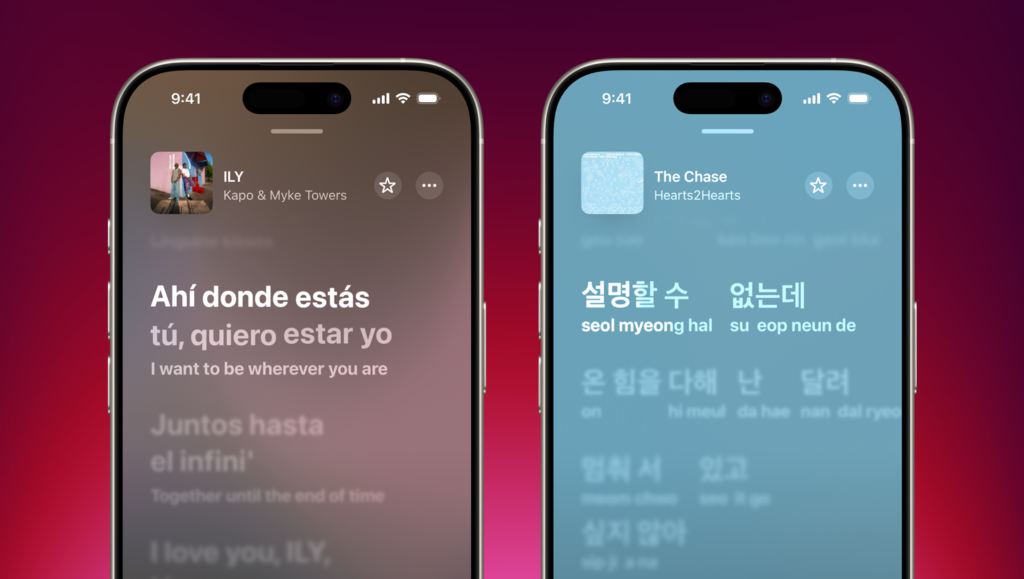
The update is layered with gestures toward intimacy. Lyrics Translation & Pronunciation, for example, is less about novelty and more about dissolving borders. It’s a strange moment when your phone not only translates a song but teaches you how to sing it back, syllable by syllable, almost like it wants you to belong. For an industry that often leans on algorithms to flatten nuance, this feels like a rare nod to cultural precision.
Karaoke Without a Stage
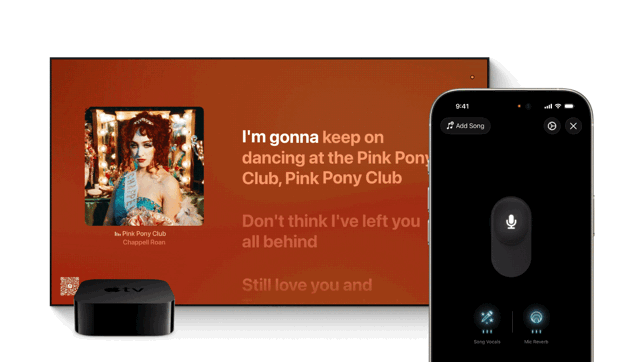
Then there’s Apple Music Sing with iPhone Mic — karaoke recoded for an era when the stage is everywhere and nowhere. Plugging your voice into the system, seeing yourself on-screen with beat-locked visuals, it’s less about performance and more about immersion. You’re inside the mix, not just in front of it.
Onscreen Club Culture
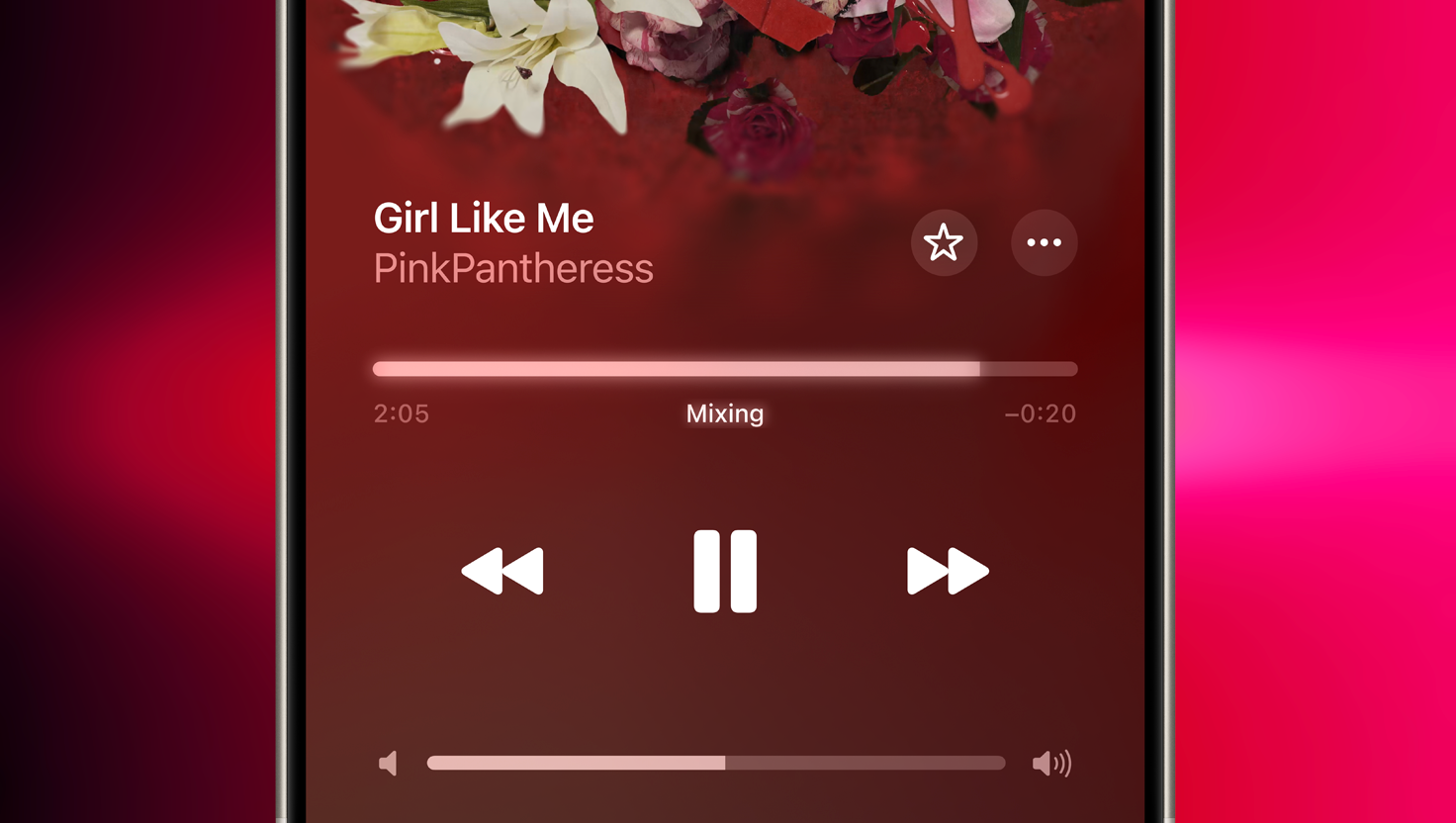
AutoMix is another subtle shift worth noting. DJs might bristle at the thought of software stepping into their craft, but AutoMix isn’t trying to replace. It’s stitching. Time-stretching, beat-matching, and smoothing the edges between tracks, it turns personal playlists into continuous flow. Albums and mixes remain untouched — respect still holds — but for everything else, the silence between songs is no longer dead space. In club culture, continuity is sacred — that liminal zone where one track dissolves into another, dancers suspended in a loop of anticipation and release. AutoMix borrows from that language, giving everyday listening a faint echo of the floor.
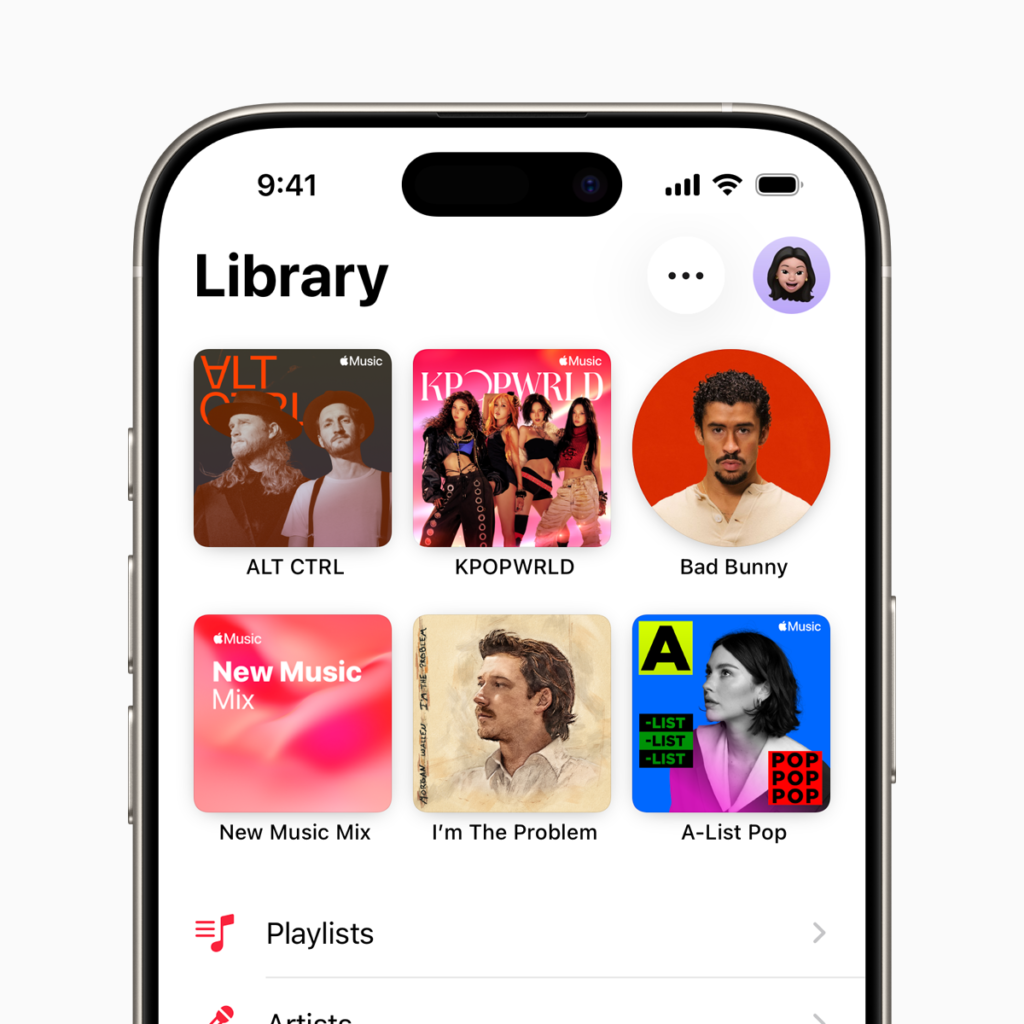
Of course, Apple’s obsession with access continues: Music Pins, customizable widgets, animated lock-screen covers. These are less about features and more about speed, ritual, and identity — music pinned, music at hand, music glowing on the surface of your device.
From Flyer to Calendar
But the quiet power move sits in the iPhone 17’s Vision Intelligence: scan a flyer in the wild and the date appears in your calendar. For promoters, artists, and scene navigators, it’s a frictionless bridge from analog street to digital schedule. Paper becomes data, and nightlife slips into your pocket with no effort.
There’s still a question lingering under all of this: are these tools liberating us, or binding us tighter to one ecosystem’s rhythm? Maybe both. What’s clear is that Apple isn’t only selling hardware or subscriptions anymore. It’s sculpting environments, tuning our relationship to sound, to time, to memory. And with each update, the glass sings a little louder.